How to Lower Nitrates in an Aquarium
If you’re an aquarium hobbyist, you’ve probably heard the term “nitrates” thrown around in fish-keeping communities. While nitrates are less toxic than ammonia or nitrites, high levels can still harm your aquatic pets and create unwanted algae blooms. Learning how to manage nitrate levels is crucial for maintaining a healthy, thriving aquarium ecosystem.
Understanding Nitrates in Your Aquarium
Before diving into solutions, it’s important to understand what nitrates actually are. Nitrates (NO3) are the final product of the nitrogen cycle in your aquarium. Beneficial bacteria convert toxic ammonia from fish waste into nitrites, then into the relatively less harmful nitrates. While this is a natural and necessary process, nitrates can accumulate over time if not properly managed.
Most freshwater fish can tolerate nitrate levels up to 40 ppm (parts per million), but sensitive species and reef tanks require much lower levels, ideally below 10 ppm. Here’s something many fish keepers don’t know: some fish species, particularly those from pristine Amazonian blackwater habitats, have evolved in environments with virtually zero nitrates and can show stress symptoms at levels as low as 5 ppm.
How to Lower Nitrates in an Aquarium Through Water Changes
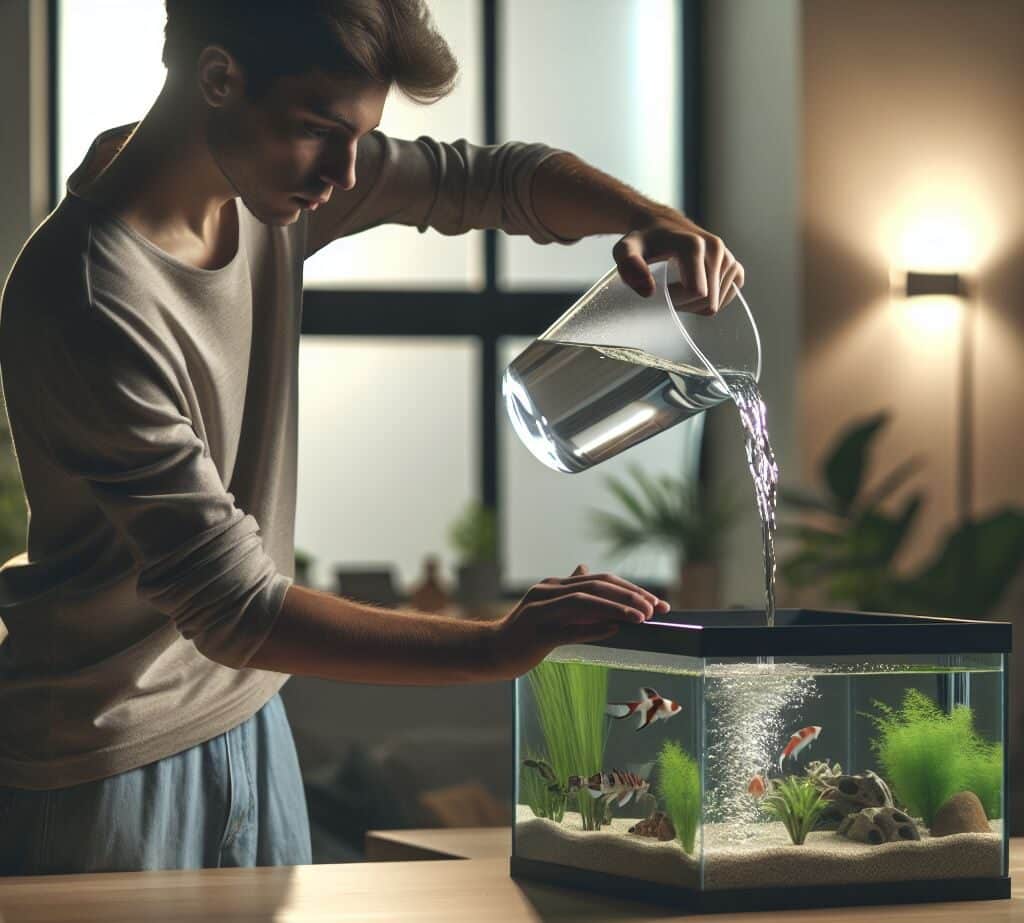
The most straightforward method for reducing nitrate levels is through regular water changes. This physically removes nitrates from your system and dilutes existing concentrations.
For most aquariums, changing 25-30% of the water weekly is sufficient to keep nitrates under control. However, if you’re dealing with elevated levels above 80 ppm, you might need more aggressive water changes. Consider performing 50% water changes every other day until levels drop to acceptable ranges.
A lesser-known fact: performing water changes that are too large (over 75%) can actually shock your beneficial bacteria colonies and disrupt the biological balance you’ve worked hard to establish. It’s better to do more frequent, moderate changes than occasional massive ones.
Always use dechlorinated water that matches your tank’s temperature, within 1-2°C (2-4°F) of your aquarium water. Temperature shocks can stress fish just as much as high nitrates.
Natural Nitrate Removal Methods
Live Plants: Nature’s Nitrate Filter
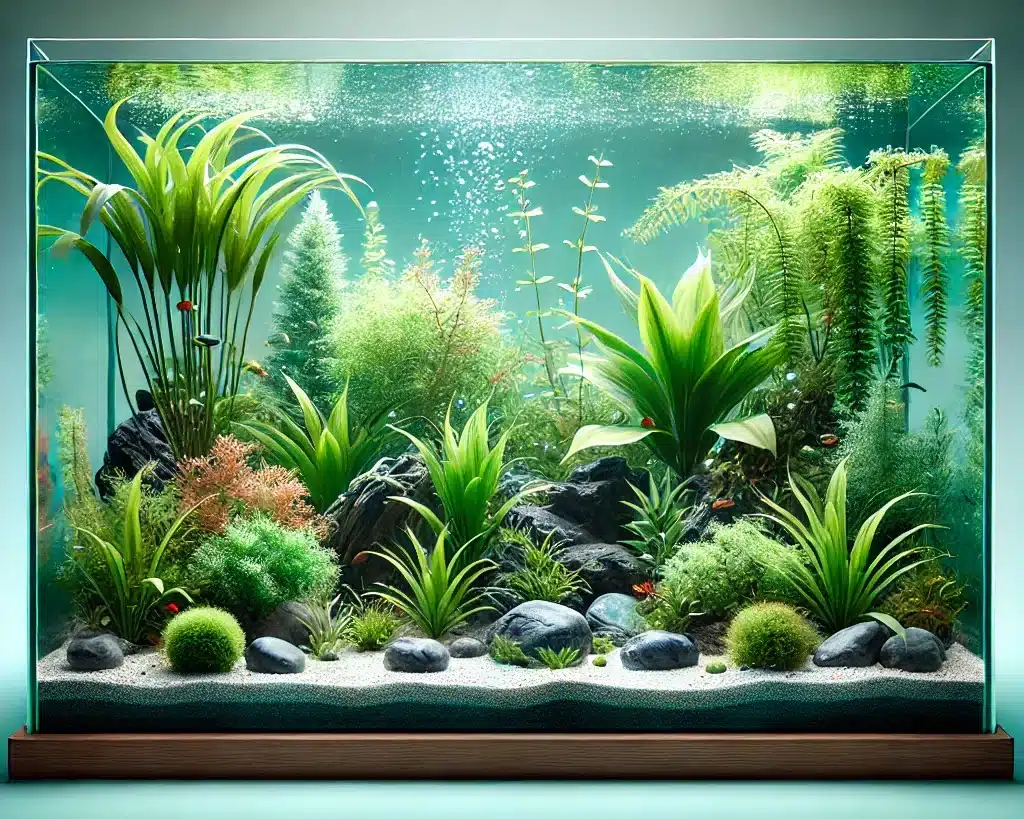
One of the most effective and aesthetically pleasing ways to reduce aquarium nitrates is through live aquatic plants. Plants absorb nitrates as fertilizer for growth, essentially competing with algae for these nutrients.
Fast-growing plants are particularly efficient at consuming nitrates. Species like hornwort, water sprite, amazon swords, and floating plants such as frogbit or water lettuce can significantly reduce nitrate levels. Interestingly, floating plants are up to three times more effective at removing nitrates than rooted plants because they have direct access to atmospheric CO2, allowing for faster growth rates.
For heavily stocked tanks, consider creating a heavily planted setup or even a separate refugium with fast-growing plants specifically for nutrient export.
Reducing Feeding and Bioload
Prevention is always better than cure. Nitrates ultimately come from organic waste in your aquarium, primarily fish food and waste.
Feed your fish only what they can consume in 2-3 minutes, once or twice daily. Overfeeding is one of the leading causes of elevated nitrates in aquariums. Uneaten food decays, contributing directly to the nitrogen cycle and increasing nitrate production.
Evaluate whether your tank is overstocked. A general rule for freshwater fish is 1 cm of adult fish per litre (1 inch per gallon), though this varies by species. Reducing bioload through proper stocking helps maintain lower nitrate levels naturally.
Advanced Nitrate Reduction Techniques
Implementing Anaerobic Zones
While most aquarium filtration operates in oxygen-rich (aerobic) conditions, certain bacteria that perform denitrification require low-oxygen (anaerobic) environments. These specialized bacteria can convert nitrates into harmless nitrogen gas that escapes into the atmosphere, a process rarely discussed in beginner aquarium guides.
Deep sand beds (10-15 cm or 4-6 inches) in marine aquariums create natural anaerobic zones where denitrifying bacteria thrive. For freshwater tanks, specialized reactors or sulfur-based denitrifiers can achieve similar results, though these require more advanced knowledge to maintain safely.
Chemical Filtration Options
Several chemical filtration products can help lower nitrates when natural methods aren’t sufficient. Nitrate-removing resins work by exchanging nitrate ions for less harmful chloride ions. These need periodic regeneration or replacement according to manufacturer instructions.
Products containing bacteria cultures specifically designed to process nitrates can also supplement your biological filtration. While results vary, many aquarists report success when combining these products with other nitrate-reduction strategies.
Maintaining Low Nitrates Long-Term
Consistency is key when managing nitrate levels. Establish a regular maintenance routine that includes weekly testing, water changes, and tank cleaning.
Vacuum your substrate during water changes to remove accumulated detritus where organic matter breaks down. Clean filter media monthly, but never all at once to preserve beneficial bacteria colonies.
An often overlooked tip: tap water in agricultural areas can contain surprisingly high nitrate levels, sometimes 20-40 ppm straight from the faucet. If your tap water tests high for nitrates, consider using reverse osmosis (RO) water or a specialized tap water nitrate filter. Otherwise, your water changes won’t effectively reduce tank nitrates.
Creating a Balanced Ecosystem
The healthiest aquariums operate as balanced ecosystems where inputs and outputs are managed effectively. Think of your aquarium as a closed system where everything you add eventually breaks down and contributes to nitrates.
Beyond controlling feeding and stocking levels, consider adding cleanup crews. Snails, shrimp, and bottom-dwelling fish help consume leftover food and break down organic matter before it significantly impacts water quality.
Monitoring Your Progress
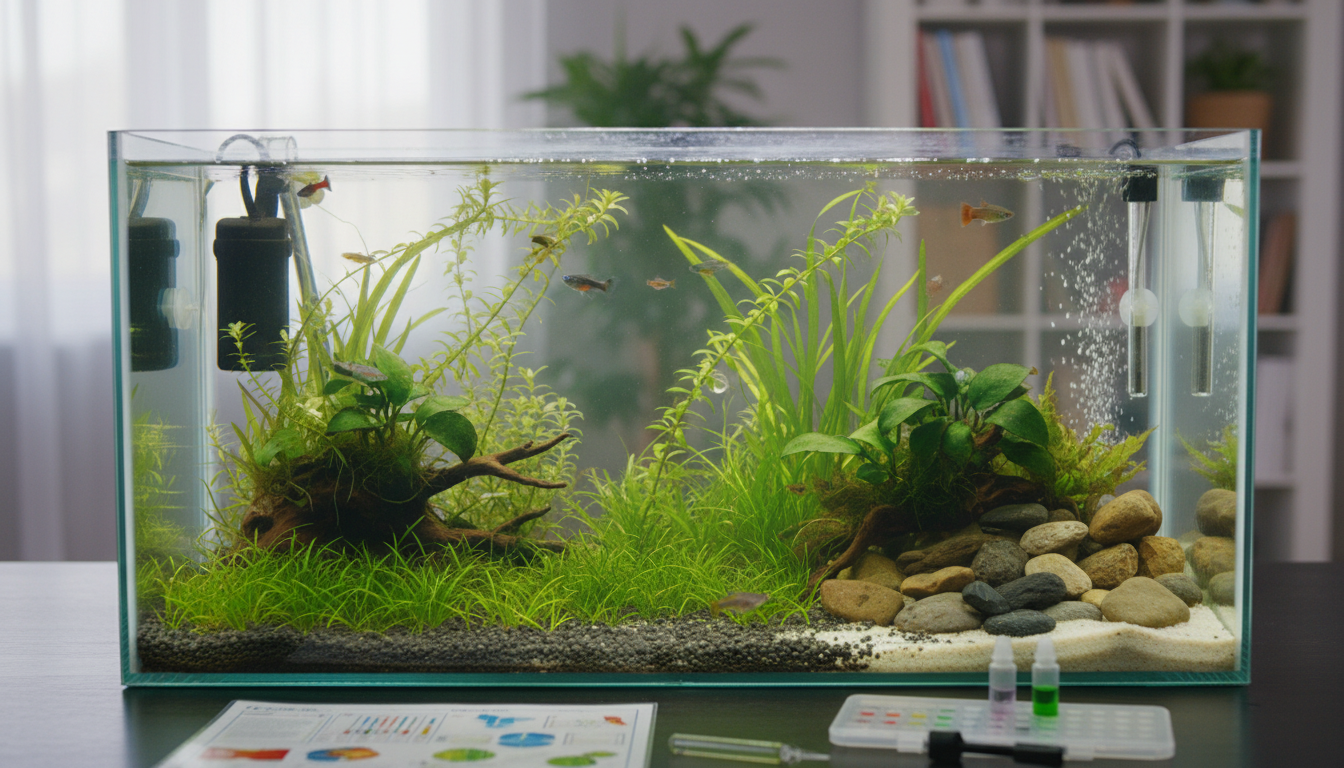
Regular testing is essential for tracking your nitrate reduction efforts. Invest in a reliable aquarium test kit, either liquid-based or digital, and test weekly at the same time to track patterns.
Keep a simple log of your test results, water changes, and any changes to stocking or feeding. This data helps identify what works for your specific setup and provides early warning of developing problems.
Remember that nitrate reduction doesn’t happen overnight. Depending on your starting levels and chosen methods, it may take several weeks to see significant improvements. Patience and consistency yield the best results.
Conclusion
Learning how to lower nitrates in an aquarium effectively requires understanding the nitrogen cycle, implementing regular maintenance, and often combining multiple strategies. Whether you choose frequent water changes, heavily planted tanks, reduced feeding, or advanced filtration methods, the key is finding an approach that fits your schedule and aquarium setup.
By maintaining nitrate levels below 20 ppm for freshwater tanks and under 5 ppm for sensitive species and reef aquariums, you’ll create a healthier environment where your fish can thrive. Your aquatic pets will reward your efforts with brighter colors, more active behavior, and longer, healthier lives.
Start with the basics: test your water, perform regular water changes, and don’t overfeed. From there, add live plants and adjust your approach based on your results. With time and attention, managing nitrates becomes second nature, letting you focus on enjoying the beautiful underwater world you’ve created.