How do you know if you have old tank syndrome?
If you’ve been keeping an aquarium for years without major changes, you might be unknowingly dealing with one of the most insidious problems in keeping fish: old tank syndrome. This gradual chemical imbalance can sneak up on even experienced aquarists, slowly compromising the health of your aquatic pets. Let’s explore the warning signs, causes, and solutions to this common yet often overlooked aquarium issue.
What Is Old Tank Syndrome?
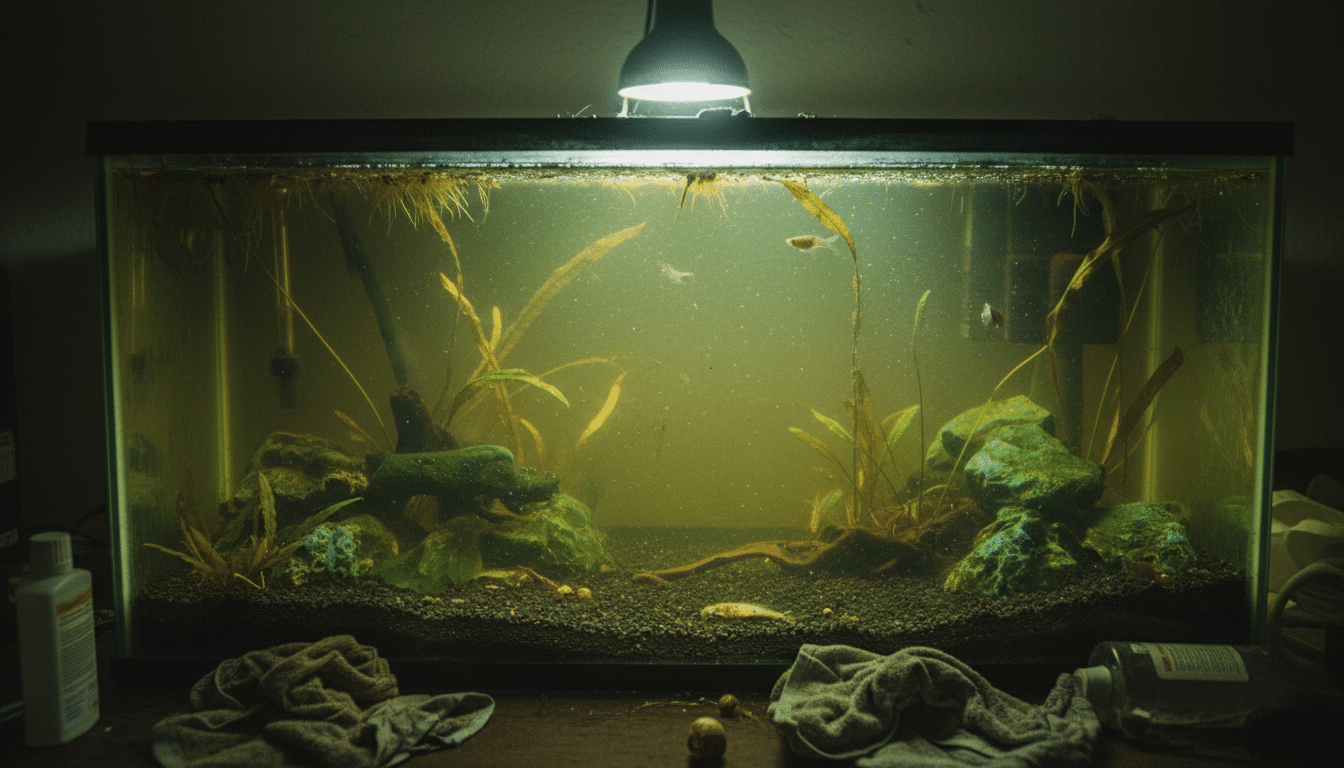
Old tank syndrome, often abbreviated as OTS, occurs when the water chemistry in an established aquarium gradually deteriorates over time. Unlike sudden crashes that grab your attention immediately, old tank syndrome develops slowly, sometimes over months or even years, making it particularly dangerous because fish adapt to worsening conditions until they suddenly can’t anymore.
The primary culprit behind old tank syndrome is the gradual drop in pH levels combined with the accumulation of nitrates and other dissolved organic compounds. While your aquarium might look clean on the surface, invisible chemical changes are occurring in the water column that can eventually prove fatal to your fish.
Key Signs You’re Dealing With Old Tank Syndrome
Declining pH Levels
The most telling indicator of old tank syndrome is a consistently dropping pH. If you’ve been testing your water regularly, you might notice your pH has fallen significantly from where it was when you first set up your tank. For example, if your tap water has a pH of 7.5 but your tank now sits at 6.0 or lower, you’re likely experiencing OTS. Interestingly, the buffering capacity of your water (KH) depletes over time, which is why pH becomes increasingly unstable in neglected tanks, even if you’re doing occasional water changes.
Fish Behaviour Changes
Your fish are excellent indicators of water quality problems. Watch for these behavioural red flags:
Fish spending more time at the surface gasping for air, even when your filter is running properly. Reduced activity levels or fish that hide more than usual. Loss of appetite or fish that show interest in food but don’t actually eat. Clamped fins held close to the body rather than spread naturally. Increased susceptibility to diseases, particularly fungal and bacterial infections.
Unusual Physical Symptoms
Beyond behaviour, fish living in old tank syndrome conditions often display physical warning signs. You might notice faded colours, cloudy eyes, or increased mucus production on their bodies. Some species develop red streaks in their fins or show laboured breathing patterns.
The Science Behind Old Tank Syndrome
Understanding what causes old tank syndrome helps you prevent it. The nitrogen cycle in your aquarium constantly produces acidic compounds. In healthy tanks with regular maintenance, water changes remove these compounds before they accumulate to dangerous levels.
However, when water changes become infrequent or too small, several things happen simultaneously. Nitrates climb above 40 ppm (parts per million), sometimes reaching 100 ppm or higher. The buffering minerals in your water, primarily carbonates and bicarbonates, get depleted. Organic acids from fish waste, uneaten food, and decaying plant matter accumulate. The result is a toxic environment with low pH and high dissolved pollutants.
Here’s a lesser-known fact: old tank syndrome can occur even with regular water changes if you’re only replacing 10-15% of the water volume. Many aquarists don’t realise that small, infrequent changes simply aren’t enough to export the waste products that healthy fish produce.
Testing Your Water Parameters
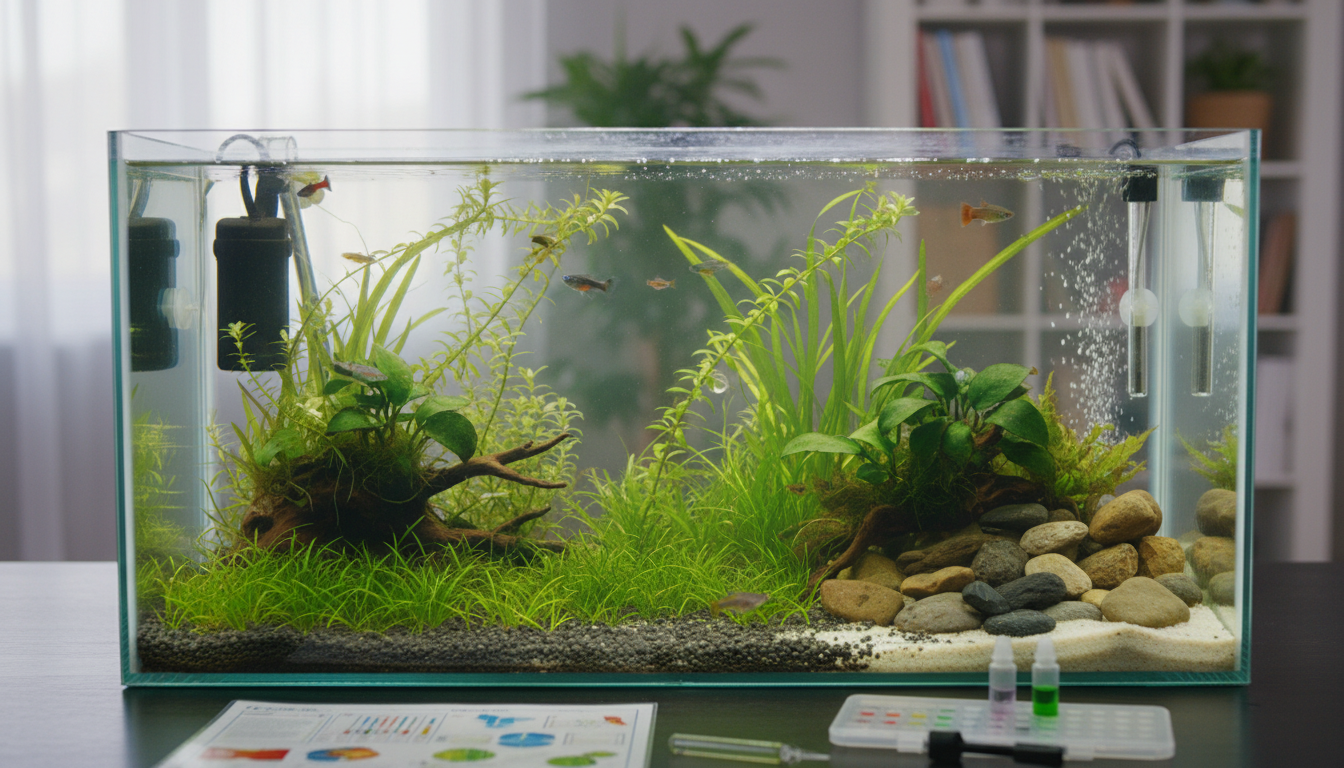
To diagnose old tank syndrome definitively, you need to test several parameters. Use a reliable liquid test kit (not strips, as they’re less accurate) to check pH, ammonia, nitrite, and nitrate levels. Compare your tank’s pH to your source water’s pH. A difference of more than 0.5 units suggests declining buffering capacity.
Your nitrate levels tell an important story. While some nitrate is normal in established tanks, readings above 40 ppm indicate insufficient water changes. Anything above 80 ppm is dangerous territory and a strong sign of old tank syndrome.
Additional Warning Signs in Your Aquarium
Algae Growth Patterns
Certain types of algae thrive in the conditions created by old tank syndrome. If you’re suddenly battling persistent brown algae (diatoms) or seeing increased green spot algae, your tank chemistry might be shifting. Interestingly, old tank syndrome can actually suppress some types of algae growth because the low pH and depleted minerals don’t support them, which paradoxically makes some aquarists think their tank is healthier than it actually is.
Plant Health Deterioration
If you keep live plants, they’ll show signs before your fish do. Yellow leaves, stunted growth, or plants that previously thrived now melting away can indicate the mineral depletion associated with old tank syndrome. Plants need stable pH and adequate minerals to photosynthesize effectively.
How Old Tank Syndrome Develops Over Time
Most cases of old tank syndrome follow a predictable pattern. During the first year, your tank remains relatively stable with minimal maintenance. Between years two and three, you might notice your pH starting to drift downward, though fish seem fine. By year four or five without proper maintenance, the buffering capacity is exhausted, and pH can swing wildly with small changes.
A fascinating aspect of old tank syndrome is that newly added fish often die while long-term residents appear healthy. This happens because established fish have slowly adapted to deteriorating conditions, but new arrivals experience immediate shock when introduced to the poor water quality. If you find that new fish consistently die within days or weeks of addition, old tank syndrome is a likely culprit.
Prevention and Treatment Strategies
Establishing a Proper Maintenance Schedule
The best defence against old tank syndrome is prevention through regular maintenance. Perform weekly water changes of 25-30% of your tank volume. For a 200-litre (53-gallon) tank, that means replacing 50-60 litres (13-16 gallons) every week.
Regular substrate vacuuming removes organic debris before it breaks down into acidic compounds. Clean your filter media monthly, but never replace all of it at once. Keep your tank’s fish and feeding levels appropriate for its size.
Correcting Existing Old Tank Syndrome
If you’ve identified old tank syndrome in your aquarium, don’t perform a massive water change immediately. This is crucial advice that could save your fish’s lives. Your fish have adapted to the poor conditions, and sudden drastic changes can cause pH shock, which is often fatal.
Instead, begin with small daily water changes of 10-15% for the first week. Gradually increase the volume to 20-25% in the second week. Continue this pattern until your parameters stabilize. Test your water daily during this recovery period. This gradual approach allows your fish to slowly readjust to better conditions.
Consider adding crushed coral or limestone rocks to your filter to boost buffering capacity. These calcium carbonate sources help stabilize pH naturally. However, this only works if you’re also performing regular water changes, as the buffering effect is temporary without ongoing maintenance.
Using Chemical Buffers
While water changes are the primary solution, pH buffers can help during recovery. Products containing sodium bicarbonate can raise pH gradually. Always follow manufacturer instructions carefully and make changes slowly over several days. Remember that buffers are a temporary aid, not a substitute for proper maintenance.
Long-Term Aquarium Health Management
Once you’ve resolved old tank syndrome, maintaining your aquarium’s health requires ongoing commitment. Keep a maintenance log noting water change dates, test results, and any observations about fish behaviour or appearance. This record helps you spot trends before they become problems.
Invest in quality testing equipment and check your parameters monthly at minimum, weekly if possible. Understanding your aquarium’s normal baseline makes it easier to detect when things drift off course. Many experienced aquarists test more frequently after water changes to ensure their maintenance routine is effective.
Consider the stocking level in your tank. Overstocked aquariums produce waste faster than maintenance can remove it, accelerating the development of old tank syndrome. A general rule is 1 inch of fish per 4 litres (1 gallon) of water, though this varies by species and their specific waste production levels.
Conclusion
Recognizing old tank syndrome early gives you the best chance of protecting your fish from this preventable condition. By watching for declining pH levels, monitoring fish behaviour and appearance, testing your water regularly, and maintaining a consistent water change schedule, you can keep your aquarium thriving for years to come.
Remember that aquarium keeping is about consistency rather than perfection. Even if you’ve let maintenance slide and are now dealing with old tank syndrome, patient corrective action can restore your tank’s health. Your fish are remarkably resilient when given the right conditions and time to adjust. Stay vigilant, test regularly, and never underestimate the power of a simple water change in maintaining a healthy aquatic environment.