Why is My Fish Swimming In Circles?
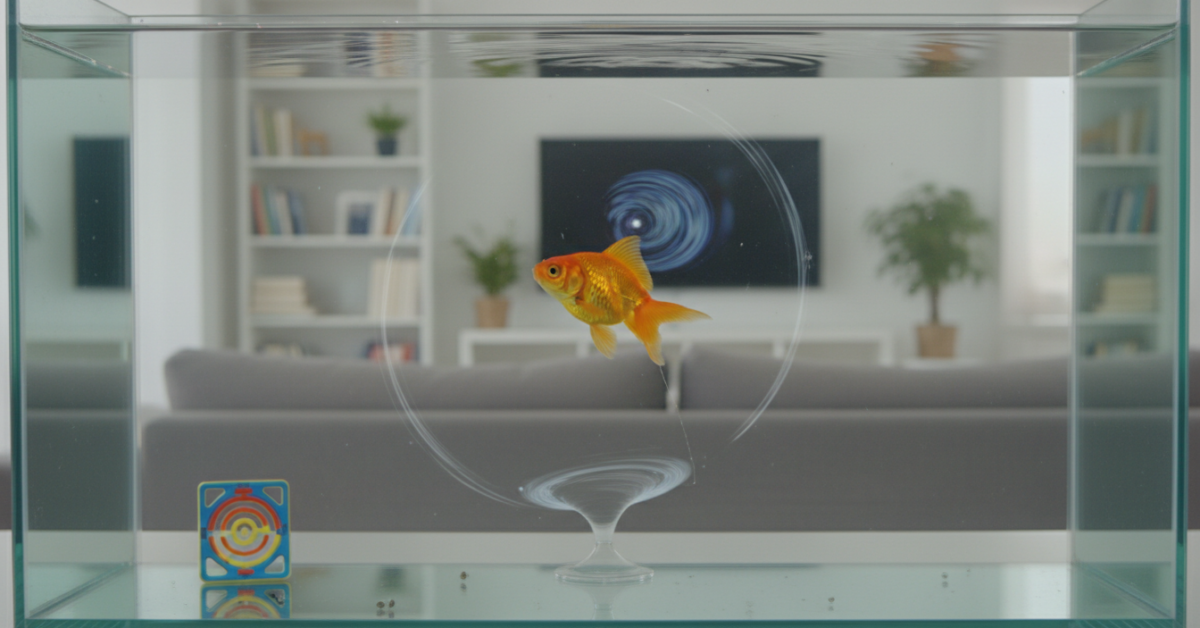
You’re standing in front of your aquarium, coffee in hand, when you notice something odd. Your fish is swimming in circles, round and round like it’s stuck on a bizarre underwater carousel. It’s unsettling, right? This behaviour isn’t normal, and your gut is telling you something’s wrong.
Let’s get straight to it: circular swimming in fish usually signals a problem that needs your attention. The good news? Most causes are fixable once you identify what’s happening. We’re going to walk through the main culprits behind this spinning behaviour and what you can actually do about it.
Understanding Normal vs. Abnormal Swimming Patterns
Before we panic, let’s establish what we’re actually looking at. Fish occasionally swim in curved patterns when they’re exploring or playing, especially in round tanks. But when your fish is relentlessly circling in tight loops, staying near the surface, or repeatedly following the exact same path, that’s when alarm bells should ring.
The pattern matters too. Is your fish spiralling upward? Circling close to the bottom? Swimming on its side while turning? Each variation points toward different underlying issues.
Swim Bladder Problems: The Most Common Culprit
Think of the swim bladder as your fish’s internal life jacket. This gas-filled organ helps fish maintain their position in the water without constantly swimming. When it malfunctions, your fish loses its equilibrium, and circular swimming often results.
Swim bladder disorder stems from multiple causes. Overfeeding is the biggest offender, especially with dry foods that expand in the stomach and press against the swim bladder. Constipation creates similar pressure. Bacterial infections can inflame the organ itself, while physical injuries from aggressive tank mates or sharp decorations can damage it directly.
Goldfish and bettas are particularly prone to swim bladder issues because of their body shape. Those fancy varieties with compressed bodies? They’re basically swimming with compromised equipment from the start.
Fixing Swim Bladder Issues
Start with a 24-hour fast. Yes, really. Your fish can absolutely handle not eating for a day, and it gives their digestive system time to reset. After fasting, offer a cooked, shelled pea (mashed into tiny pieces). The fibre helps clear any blockages.
If that doesn’t work within three days, try raising your water temperature slightly to 26-28°C (79-82°F) if your species tolerates it. Warmer water speeds up metabolism and can help resolve digestive issues. Just make the change gradually, about 1°C per day.
Water Quality: The Silent Troublemaker
Poor water quality doesn’t just make fish uncomfortable. It literally damages their organs, including their brain and nervous system. When ammonia or nitrite levels spike, fish experience what’s essentially poisoning. Neurological damage from toxins manifests as erratic swimming patterns, including circles.
High nitrate levels above 40 ppm, while less immediately toxic, cause chronic stress that weakens fish over time. And here’s what many fishkeepers miss: rapid pH swings can be just as harmful as consistently wrong pH levels.
Test your water immediately if you notice circular swimming. You’re looking for ammonia at 0 ppm, nitrite at 0 ppm, and nitrate below 20 ppm. Anything else? Time for a water change.
The Quick Fix Protocol
Do a 25-30% water change using dechlorinated water matched to your tank temperature. If your parameters are seriously off, do daily 20% changes until they stabilize rather than one massive change that could shock your fish further.
Remember to vacuum your substrate during these changes. Uneaten food and waste hiding in the gravel continuously release toxins into your water column.
Parasites and Infections: The Hidden Invaders
Sometimes the enemy is microscopic. Internal parasites, particularly those affecting the brain and nervous system, cause disoriented swimming. Fish tuberculosis (Mycobacterium) can affect the spine and brain, leading to neurological symptoms including circular swimming.
External parasites like Ichthyophthirius multifiliis (ich) or flukes irritate fish so severely that they display abnormal behaviour. You’ll usually see other symptoms too: flashing against objects, clamped fins, or visible spots and lesions.
Velvet disease deserves special mention here. This parasitic infection often causes fish to swim erratically near the surface before other symptoms become obvious. Shine a flashlight on your fish in a dark room. Does their skin look dusty or gold-tinted? That’s velvet.
Treatment Approaches
For parasites, you’ll need specific medications. Ich responds to elevated temperatures (28-30°C or 82-86°F for most species) combined with aquarium salt at 1 tablespoon per 19 litres (5 gallons). Continue treatment for at least 10 days even after symptoms disappear since the parasite has a multi-stage life cycle.
Bacterial infections require antibiotics, but here’s the catch: you need to identify whether it’s gram-positive or gram-negative bacteria for effective treatment. A broad-spectrum antibiotic like kanamycin can work in a pinch, but a proper diagnosis from a fish vet gives better results.
Neurological Damage: When the Problem Runs Deeper
This is the tough one. Physical trauma, prolonged ammonia exposure, or certain diseases can cause permanent brain damage in fish. The affected fish may circle indefinitely because their internal navigation system is broken.
Vitamin deficiencies, particularly thiamine (B1) deficiency, can also trigger neurological problems. Fish fed exclusively on one type of food or receiving poor-quality nutrition may develop these issues over time. Interestingly, feeding certain raw fish containing thiaminase (an enzyme that destroys thiamine) to predatory species can trigger this problem.
Can you reverse neurological damage? Sometimes partially, if you catch it early. Improving water quality immediately, providing varied high-quality nutrition, and adding vitamin supplements to food can help. But honestly? Some damage is permanent.
Environmental Stressors You Might Be Missing
Tank size matters more than you think. A fish in a tank that’s too small experiences constant stress, which can manifest as repetitive behaviours including circular swimming. This is essentially captivity stress, similar to stereotypic behaviour in zoo animals.
Temperature fluctuations stress fish tremendously. If your tank sits near a window, heater, or air conditioning vent, temperature swings could be causing neurological confusion. Fish are ectothermic; their entire metabolism depends on stable water temperature.
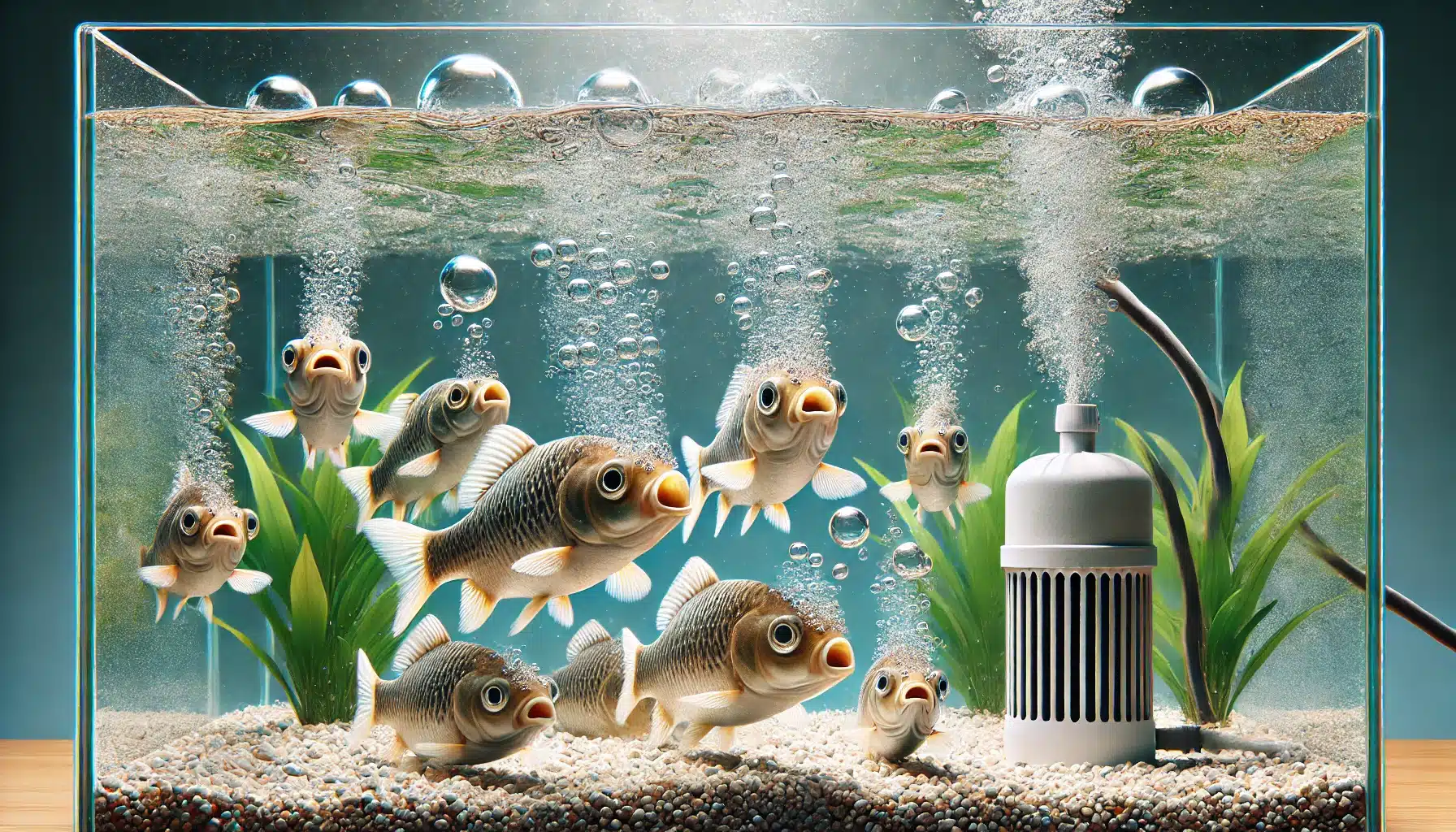
Inadequate oxygen levels force fish to swim near the surface, often in circles, desperately seeking oxygen-rich water. Watch for gasping at the surface or lethargic behaviour alongside the circling.
Quick Environmental Checks
Verify your tank provides at least 4 litres per centimetre of fish (roughly 1 gallon per inch) as a bare minimum. More is always better. Check that your heater maintains steady temperature within 1°C variation. Add an air stone if you suspect oxygen issues, especially in heavily stocked or warm tanks where oxygen dissolves less readily.
Old Age and Chronic Conditions
Sometimes fish circle simply because they’re elderly. As fish age, they can develop conditions similar to dementia or vestibular disease in mammals. Their balance deteriorates, their senses dull, and they may swim in repetitive patterns because that’s all their failing nervous system can manage.
Tumours, though less common, can press against the spine or brain, causing neurological symptoms. There’s not much you can do about tumours in fish, but recognizing this possibility helps you make informed decisions about your fish’s quality of life.
Taking Action: Your Response Plan
First, observe carefully. Note when the circling happens, its intensity, and any other symptoms. Is your fish eating? What about its colour, breathing rate, and interaction with tank mates?
Second, test your water parameters immediately. This single step eliminates or confirms the most common and easily fixed causes. Third, examine your fish closely for physical signs: spots, lesions, swelling, clamped fins, cloudy eyes, or unusual colouration.
If water parameters are perfect and you see no physical symptoms, try the swim bladder protocol with fasting and peas. Many circle-swimming cases resolve within three days using this approach alone.
When symptoms persist beyond a week despite intervention, or if your fish shows severe distress, declining health, or stops eating, consider consulting a veterinarian who specializes in fish. Yes, they exist, and sometimes professional help makes all the difference.
Prevention: Your Best Strategy
Most causes of circular swimming are preventable. Maintain consistent water quality through regular testing and weekly water changes of 20-25%. Feed varied, high-quality foods in appropriate amounts (what your fish consume in 2-3 minutes, once or twice daily).
Provide adequate space, hiding spots, and appropriate tank mates to minimize stress. Quarantine new fish for at least two weeks before adding them to your main tank. This simple step prevents introducing parasites and diseases that cause these problems.
Monitor your fish daily. You’ll spot problems early when they’re most treatable. That morning coffee ritual? Make it a tank inspection routine too.
Moving Forward
Watching your fish swim in circles is worrying, but you’re not helpless here. Most causes have solutions if you act quickly and systematically. Start with the basics: water quality, feeding practices, and careful observation. These steps resolve the majority of cases.
Remember that fish communicate problems through behaviour changes. Circular swimming is your fish’s way of telling you something’s wrong. Listen to that message, investigate thoroughly, and respond appropriately. Your attention and care make all the difference between a fish that recovers and one that doesn’t.
Keep watching, keep learning, and trust your instincts. You know your fish better than anyone else. When something seems off, it usually is.