What Causes Fish Tank Water to Turn Yellow?
If you’ve noticed your once crystal-clear aquarium slowly taking on a yellowish tint, you’re not alone. This common issue affects fishkeepers of all experience levels, and understanding why fish tank water turns yellow is the first step toward fixing it. The good news? Yellow water isn’t always harmful to your fish, but it’s definitely a sign that something needs attention in your aquatic ecosystem.
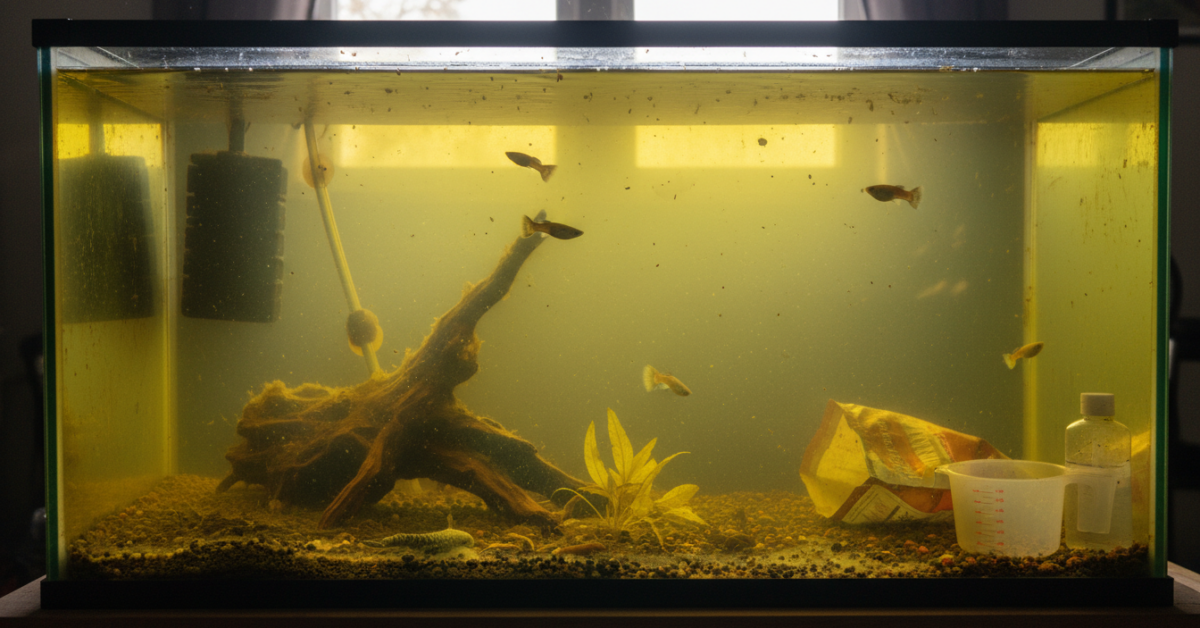
Yellow aquarium water typically results from organic compounds breaking down in your tank. Think of it like brewing tea; tannins and other dissolved substances gradually change the water’s color. While this might look concerning, understanding the root causes helps you address the issue effectively.
Tannins: The Most Common Culprit
Tannins are natural compounds released from driftwood, leaves, and certain decorations in your aquarium. When you add that beautiful piece of driftwood to create a natural environment, it begins leaching tannins into the water. Interestingly, tannins can actually benefit certain fish species, particularly those from blackwater environments like bettas, tetras, and discus. These compounds mimic their natural habitats and can have mild antibacterial and antifungal properties.
One fascinating fact that many aquarists don’t realize is that Malaysian driftwood releases significantly more tannins than mopani or spider wood, sometimes taking months of soaking to fully cure. If you want that natural look without the yellow water, pre-soaking your driftwood for several weeks can dramatically reduce tannin release.
Dirty Filters and Poor Maintenance
Your aquarium filter works tirelessly to keep your water clean, but when it becomes clogged with debris, it can’t perform effectively. Old, yellowing water often indicates that dissolved organic compounds aren’t being removed properly. Fish waste, uneaten food, and decomposing plant matter all contribute to water discoloration when filtration isn’t keeping up.
Here’s something many fishkeepers overlook: over-feeding is one of the primary causes of yellow water that isn’t related to tannins. Excess food breaks down quickly, releasing proteins and other organic compounds that both yellow the water and compromise water quality.
How to Identify the Type of Yellow in Your Tank
Not all yellow water is created equal. The shade and clarity can tell you a lot about what’s happening in your aquarium.
Tea-Colored Water
If your water looks like weak tea—yellowish-brown but still relatively clear—you’re likely dealing with tannins. This type of discoloration is usually harmless and some hobbyists even prefer it for creating biotope aquariums that replicate natural environments.
Cloudy Yellow Water
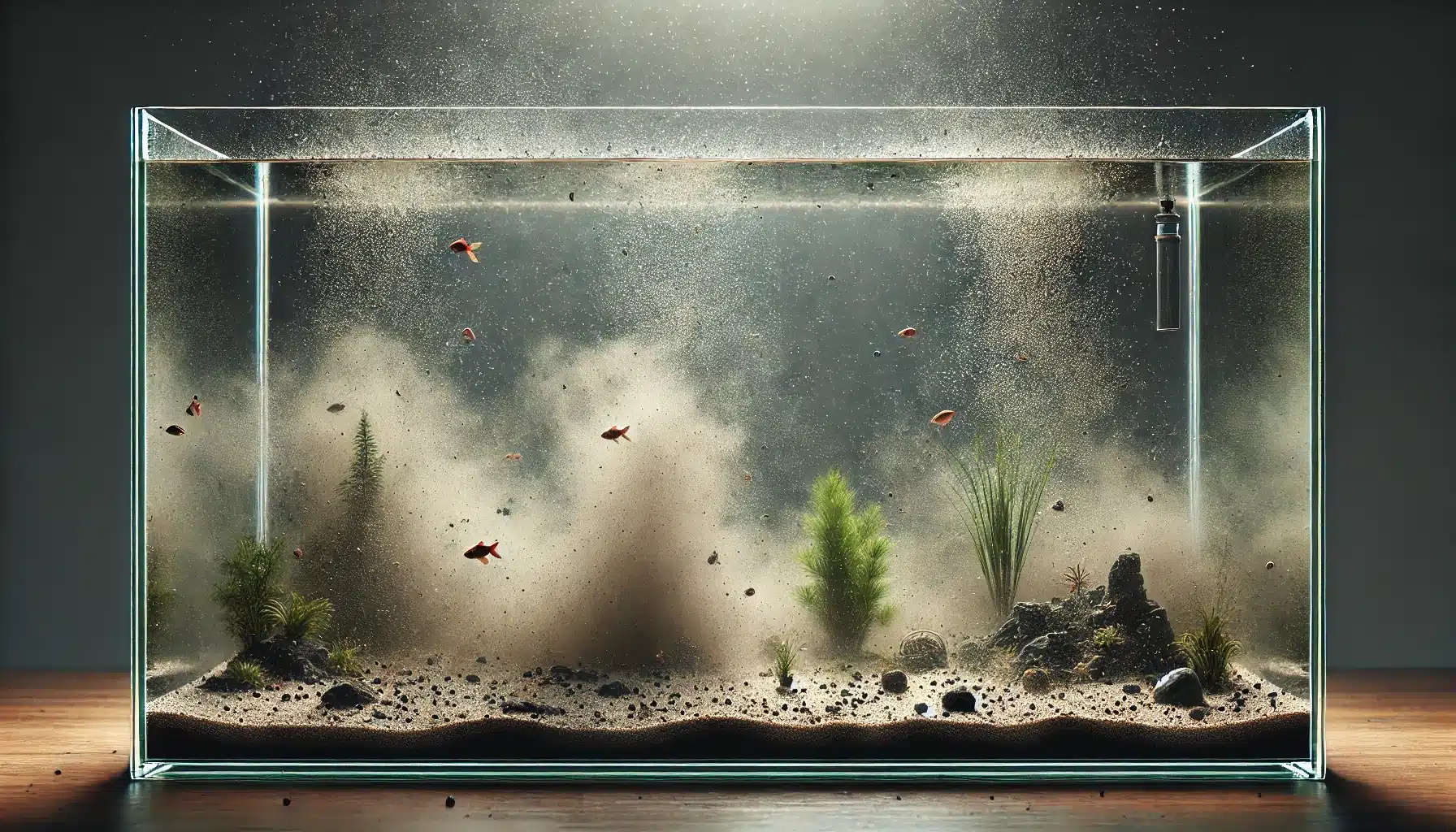
When your tank water is both yellow and cloudy, you’re probably facing a bacterial bloom combined with organic buildup. This situation requires more immediate attention as it can indicate poor water quality that might stress your fish.
Effective Solutions for Yellow Aquarium Water
Fixing yellow tank water depends on identifying the cause, but these proven methods will help restore clarity to your aquarium.
Activated Carbon Filtration
Activated carbon is incredibly effective at removing tannins, dissolved organics, and medications from aquarium water. Adding a quality carbon filter media to your filtration system will noticeably improve water clarity within 24 to 48 hours. However, here’s a lesser-known fact: activated carbon becomes saturated after about 2 to 4 weeks and needs replacement, otherwise it becomes ineffective and can even leach absorbed compounds back into your water.
Regular Water Changes
There’s no substitute for consistent water changes when maintaining aquarium health. Replacing 20 to 30 percent of your tank water weekly dilutes dissolved organic compounds and removes the substances causing yellow discoloration. For heavily stocked tanks or those with significant tannin sources, you might need to increase this to twice weekly.
Improve Your Filtration System
If yellow water persists despite regular maintenance, your filter might be undersized for your tank. A good rule of thumb is choosing a filter rated for at least 1.5 times your tank volume. For a 100-liter (26-gallon) tank, use a filter rated for 150 liters (40 gallons) or more.
Pre-Treat Driftwood and Decorations
Before adding new driftwood to your aquarium, boil it for 1 to 2 hours and then soak it in a separate container for several weeks, changing the water every few days. You’ll be amazed at how dark the soaking water becomes. This fascinating process shows just how much tannin one piece of wood contains—a single piece can release tannins for over a year without proper preparation.
When Yellow Water Becomes a Problem
While tannin-stained water is generally safe, yellow water combined with other symptoms indicates potential issues. Watch for these warning signs that require immediate action.
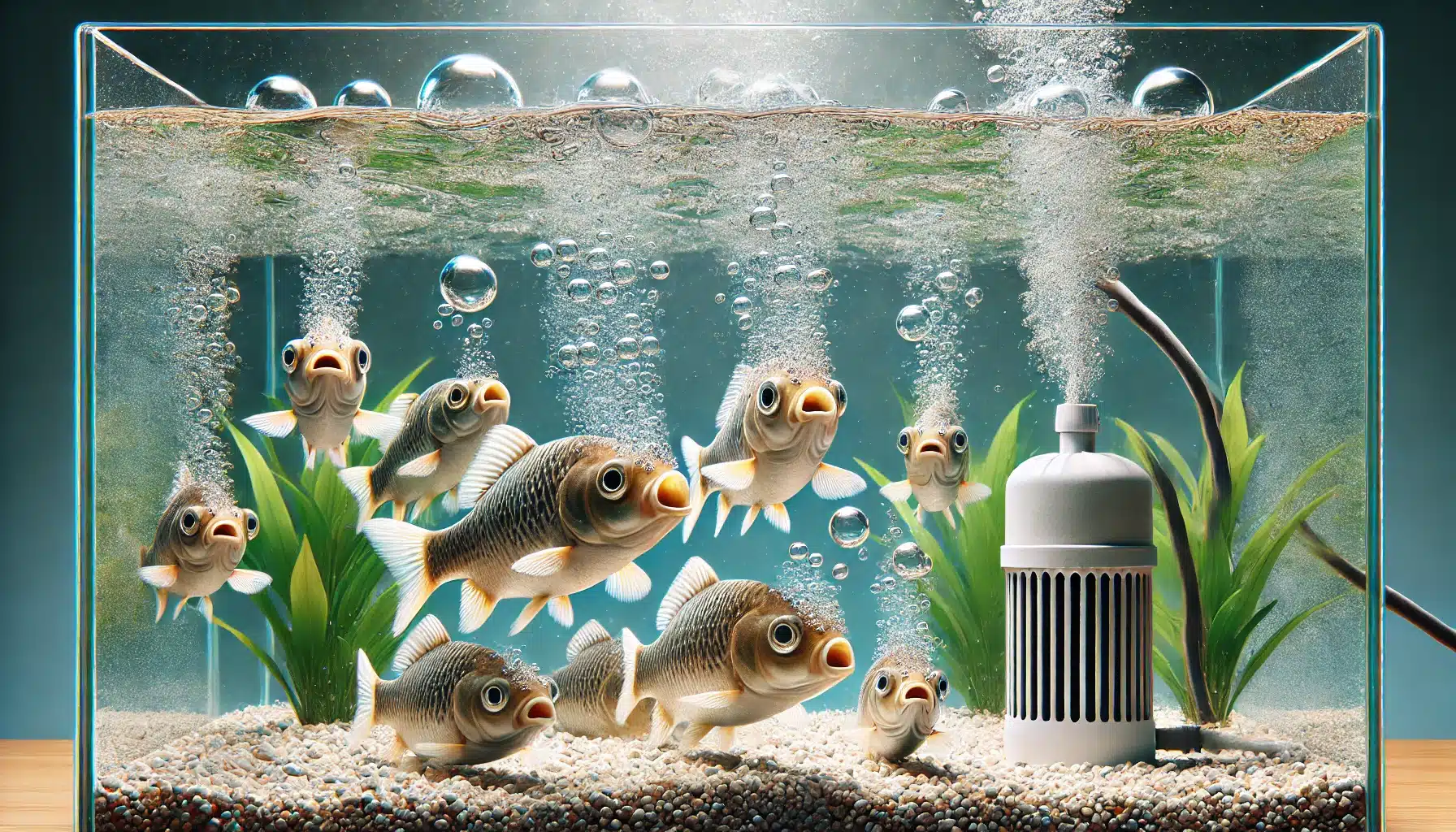
If your fish are gasping at the surface, displaying lethargic behavior, or you detect a strong odor, the yellow water is likely accompanied by poor water quality. Test your water parameters immediately, checking ammonia, nitrite, and nitrate levels. High organic loads that cause yellow water often correlate with elevated nitrates above 40 ppm.
Another important consideration many aquarists miss: yellow water can reduce light penetration by up to 30 percent, which may affect plant growth in heavily planted tanks. If you notice your aquatic plants becoming leggy or losing their vibrant color, the water discoloration might be limiting their access to necessary light wavelengths.
Prevention Strategies for Crystal Clear Water
Preventing yellow water is easier than treating it. Implementing these maintenance habits will keep your aquarium looking pristine.
Feed your fish only what they can consume in 2 to 3 minutes, once or twice daily. Remove any visible uneaten food after feeding time. Vacuum your substrate during water changes to remove detritus and waste that breaks down into dissolved organics. Clean or replace filter media regularly, but never all at once as this disrupts beneficial bacteria colonies.
Consider using purigen, a specialized synthetic polymer that absorbs organic compounds even more effectively than activated carbon. Unlike carbon, purigen can be regenerated using bleach and reused multiple times, making it cost-effective for long-term use. This is particularly useful for fishkeepers who want crystal-clear water without constantly replacing filter media.
The Bottom Line on Yellow Aquarium Water
Yellow fish tank water is typically more of an aesthetic issue than a health crisis for your fish. Understanding whether you’re dealing with harmless tannins or problematic organic buildup helps you choose the right solution. With proper filtration, consistent maintenance, and attention to feeding practices, you can maintain the water clarity you desire while providing a healthy environment for your aquatic pets.
Remember that some level of tannin staining can actually benefit certain species, so don’t feel pressured to maintain absolutely colorless water if your fish are thriving. Balance aesthetics with your fish’s needs, and you’ll create an aquarium that’s both beautiful and healthy.