Why Does My Fish Tank Turn Green?
If you’ve ever looked at your fish tank and noticed the water has turned an unsightly green, you’re not alone. Green aquarium water is one of the most common problems fish keepers face, and understanding why it happens is the first step to fixing it. In this guide, we’ll explore what causes green fish tank water, how to prevent it, and the best ways to clear it up for good.
What Causes Green Water in Fish Tanks?
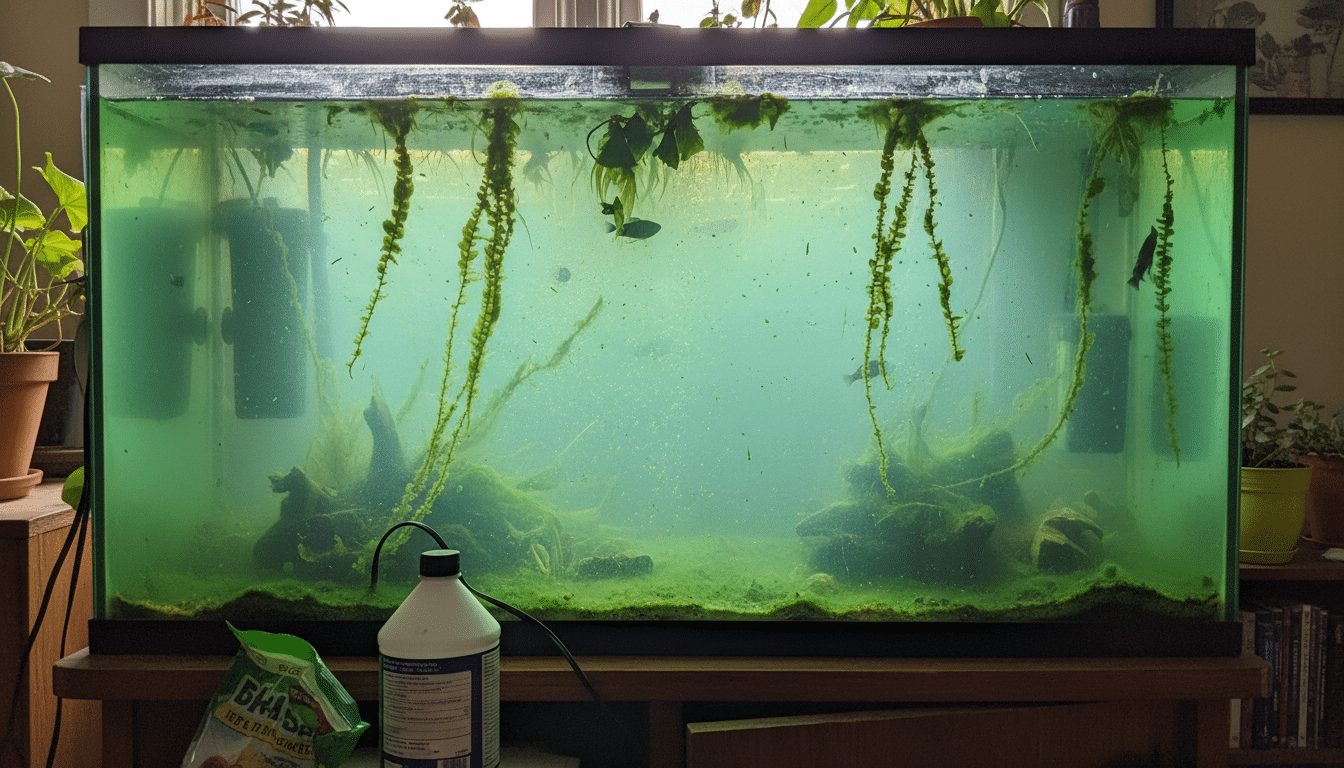
The green tint in your aquarium water is caused by microscopic algae called phytoplankton. These tiny organisms multiply rapidly when conditions are just right, turning your crystal-clear water into what looks like pea soup. While it might look alarming, green water isn’t usually harmful to your fish, but it does indicate an imbalance in your tank’s ecosystem.
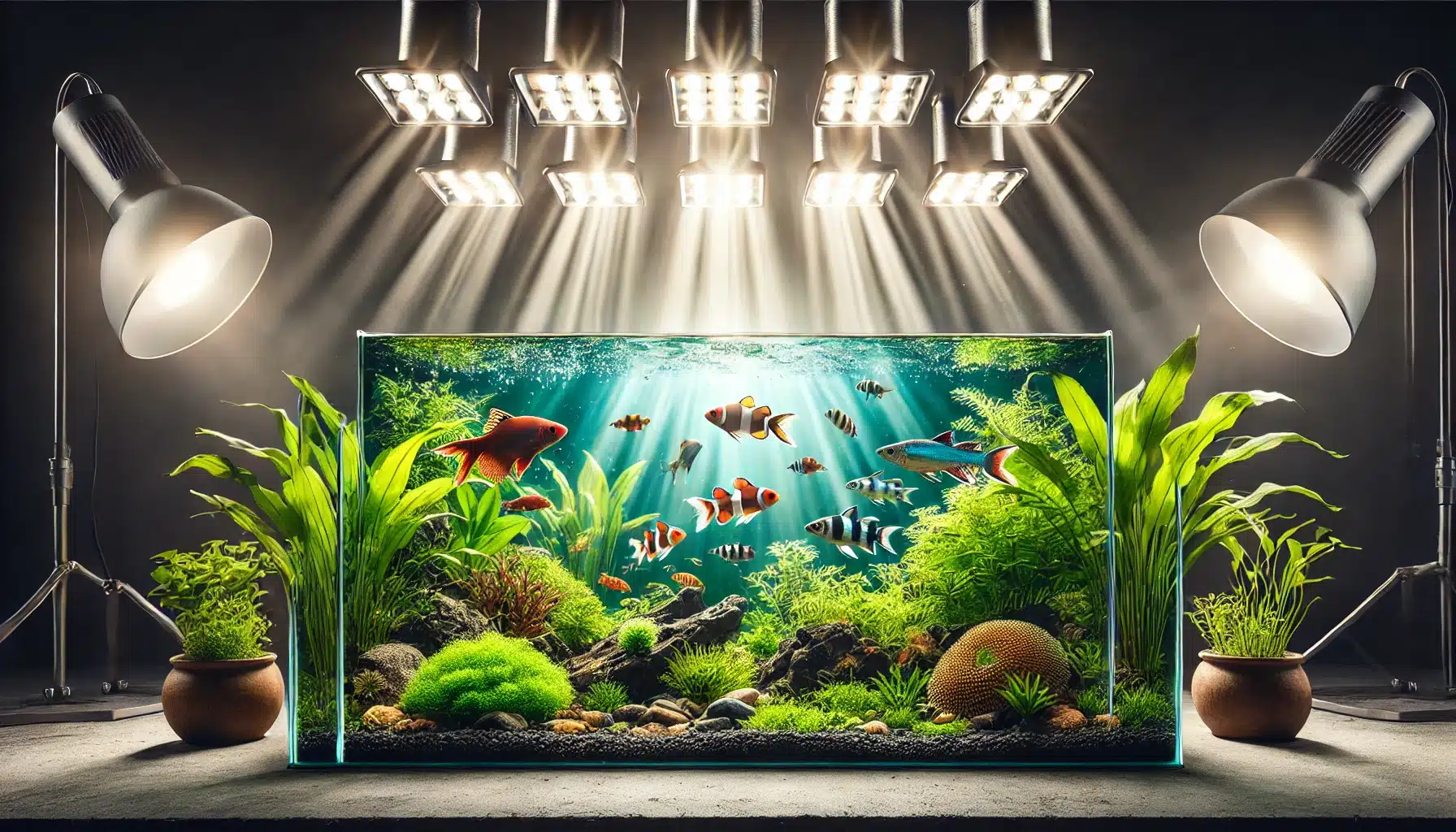
Several factors trigger algae blooms in aquariums. Too much light exposure is the primary culprit, especially when combined with excess nutrients in the water. When your tank receives more than 8-10 hours of light daily, particularly from direct sunlight, it creates the perfect environment for algae to thrive.
The Role of Nutrients in Algae Growth
Algae need food to survive, and that food comes in the form of nitrates and phosphates in your tank water. These nutrients accumulate from fish waste, uneaten food, decaying plant matter, and even tap water in some areas. When nutrient levels spike, algae populations explode, resulting in that distinctive green colour.
Interestingly, green water algae actually compete with other types of algae for nutrients. This means that while your water might look terrible, you’ll often notice that hair algae and other visible algae types disappear from your tank surfaces during a green water bloom.
Common Triggers for Green Fish Tank Water
Understanding what sets off an algae bloom helps you prevent future episodes. Here are the main triggers that cause fish tanks to turn green:
Excessive lighting is perhaps the biggest factor. This includes both artificial aquarium lights left on too long and natural sunlight streaming through windows. Even a few hours of direct sunlight can be enough to trigger a bloom.
Overfeeding your fish leads to excess nutrients in the water. Any food that isn’t eaten within a few minutes sinks to the bottom and decomposes, releasing nitrates and phosphates that fuel algae growth.
Infrequent water changes allow nutrients to build up over time. Without regular partial water changes, these compounds reach levels that support massive algae populations.
Inadequate filtration means your tank can’t process waste efficiently. A filter that’s too small for your tank size or one that hasn’t been maintained properly won’t remove enough nutrients from the water.
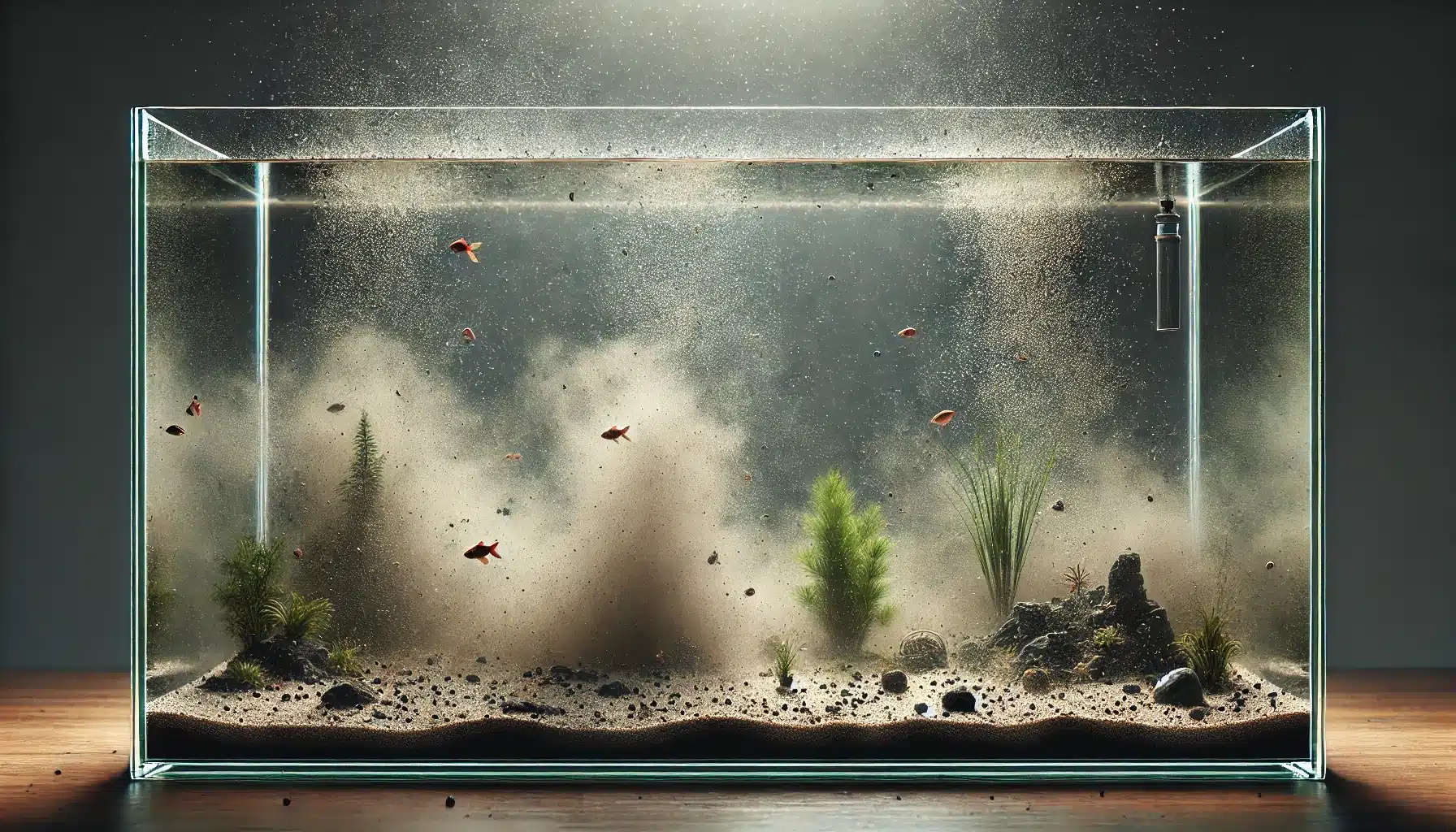
New tank syndrome is a lesser-known cause. Newly set up aquariums often experience green water during the first few weeks as beneficial bacteria colonies are still establishing. Without enough beneficial bacteria to process waste, nutrients accumulate quickly.
Is Green Water Dangerous for Fish?
The good news is that green water itself isn’t toxic to fish. In fact, some fish breeders intentionally culture green water as a food source for fry (baby fish) because it contains nutritious phytoplankton. However, there are important considerations to keep in mind.
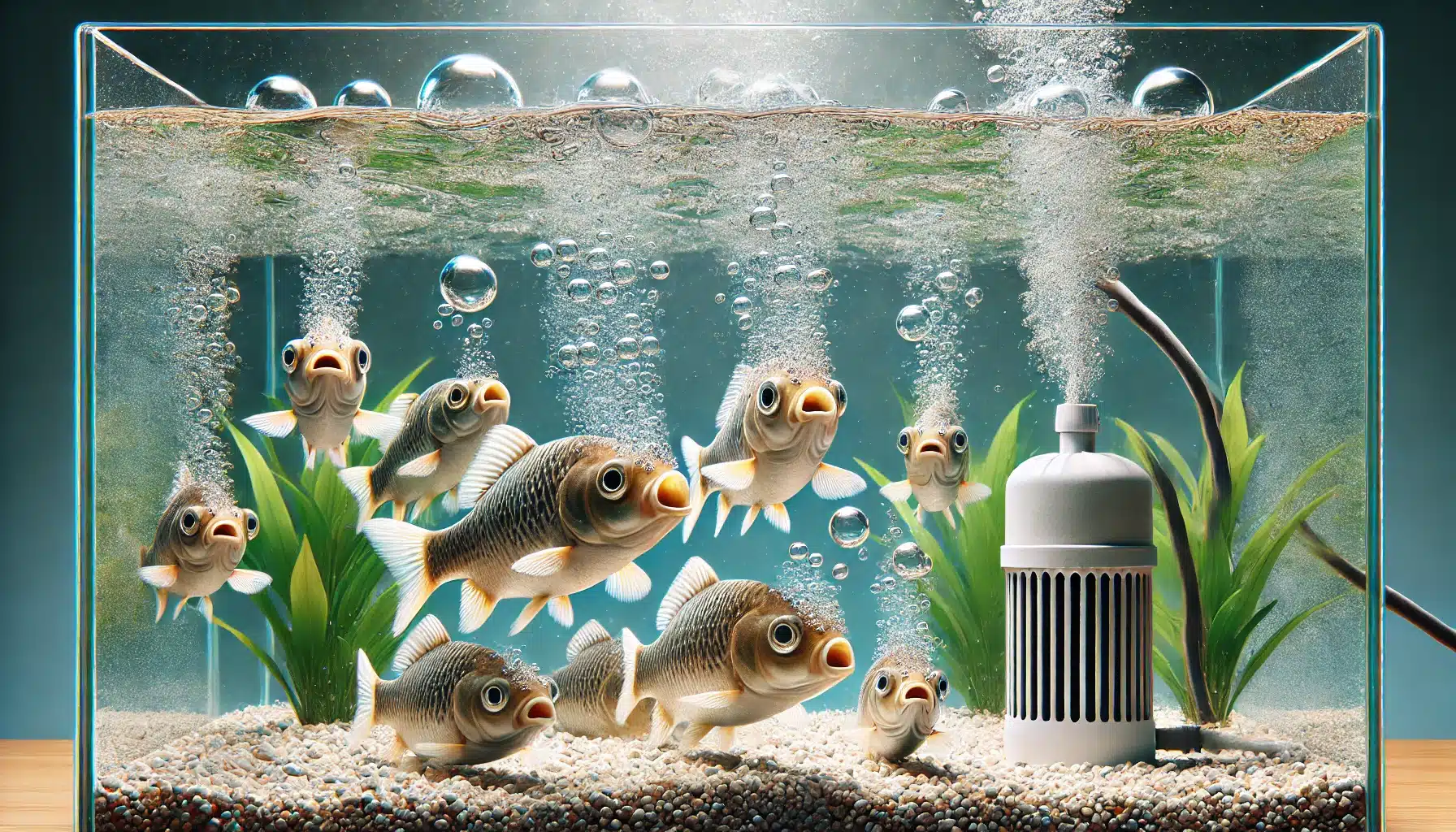
During daylight hours, the algae produce oxygen through photosynthesis, which can actually benefit your fish. However, at night, the process reverses and algae consume oxygen instead. In severe blooms with poor aeration, this can lead to dangerously low oxygen levels, particularly in the early morning hours before lights come on.
Another concern is that you can’t observe your fish properly through green water. This makes it difficult to spot signs of illness, injury, or unusual behaviour that might require attention.
How to Clear Green Fish Tank Water
Immediate Steps to Take
When you first notice your tank turning green, reduce the lighting immediately. Cut back to 6-8 hours per day and move the tank away from any windows receiving direct sunlight. This simple step alone can prevent the bloom from worsening.
Perform a 25-30% water change to reduce nutrient levels. Make sure to use a dechlorinator if your tap water contains chlorine or chloramines. While water changes help, they won’t eliminate green water on their own because the algae multiply faster than you can dilute them.
UV Sterilisation: The Most Effective Solution
A UV steriliser is the fastest and most reliable way to eliminate green water. These devices use ultraviolet light to kill algae as water passes through them. As the phytoplankton are exposed to UV radiation, their cells are destroyed, and the water gradually becomes clear again.
What many people don’t realise is that UV sterilisers work by damaging algae DNA, preventing them from reproducing rather than simply filtering them out. This is why they’re so effective against microscopic algae that pass through regular filters. Most tanks will clear completely within 3-5 days with a properly sized UV unit.
Alternative Methods
If you don’t have access to a UV steriliser, a complete blackout can work. Cover the entire tank with blankets or towels to block all light for 3-4 days. Without light, the algae cannot photosynthesise and will die off. Keep the filter and aeration running during this period. Your fish will be fine in the dark, though your live plants may suffer slightly.
Diatom filters are another option, though less common. These specialised filters use diatomaceous earth to trap particles as small as 1 micron, effectively removing green water algae from the water column.
Preventing Green Water from Returning
Once you’ve cleared the green water, prevention is key. Establish a consistent maintenance routine that includes weekly water changes of 20-25% of your tank volume. This keeps nutrient levels in check before they can support algae blooms.
Control your lighting carefully. Use a timer to ensure consistent light periods of no more than 8 hours daily. Position your aquarium away from windows, or use curtains to block natural light.
Feed your fish only what they can consume in 2-3 minutes, once or twice daily. Remove any uneaten food promptly. This single practice can dramatically reduce the nutrients available for algae growth.
Add fast-growing live plants to your aquarium. Plants compete with algae for the same nutrients, and when healthy plants are thriving, they often outcompete algae for available resources. Species like hornwort, water sprite, and floating plants are particularly effective nutrient sponges.
Here’s something many aquarium hobbyists don’t know: green water algae cannot survive in water with very low nutrient levels. By maintaining a nutrient-poor environment through proper maintenance, you create conditions where green water simply cannot establish itself, even if some algae spores are present.
The Surprising Benefits of Controlled Green Water
While most fishkeepers want crystal-clear water, controlled green water actually has uses. Professional breeders culture green water in separate containers to feed young fry, as the microscopic algae provide an excellent first food source. The phytoplankton are rich in proteins and lipids that support rapid growth in baby fish.
Additionally, green water can serve as a natural water conditioner. The algae absorb heavy metals and other toxins from the water, potentially making it safer for sensitive fish species. Some pond keepers even maintain slightly green water intentionally as it provides shade and food for fish while reducing the growth of less desirable algae types.
When to Seek Additional Help
If you’ve tried multiple methods and your tank remains persistently green, there might be an underlying issue. Test your water parameters using a reliable aquarium test kit. Check for ammonia, nitrite, nitrate, and phosphate levels. High readings indicate a problem with your biological filtration or maintenance routine.
Consider whether your tank is overstocked. Too many fish for your tank size (measured in litres or gallons) produces more waste than your filtration can handle. As a general rule, allow approximately 4 litres (1 gallon) of water per 2.5cm (1 inch) of adult fish length for most species.
Check your tap water quality as well. Some municipal water supplies contain elevated phosphate levels, which can fuel persistent algae problems. If this is the case, consider using reverse osmosis (RO) water or a phosphate-removing media in your filter.
Conclusion
Understanding why fish tanks turn green empowers you to tackle this common problem effectively. Whether your water has turned green due to excess lighting, overfeeding, or inadequate maintenance, the solutions are straightforward. By controlling light exposure, maintaining proper nutrient levels through regular water changes, and using tools like UV sterilisers when needed, you can keep your aquarium crystal clear.
Remember that green water, while unsightly, is a sign of imbalance rather than a crisis. With patience and the right approach, you’ll have your tank looking beautiful again in no time.