Why Does My Fish Tank Get Dirty So Fast?
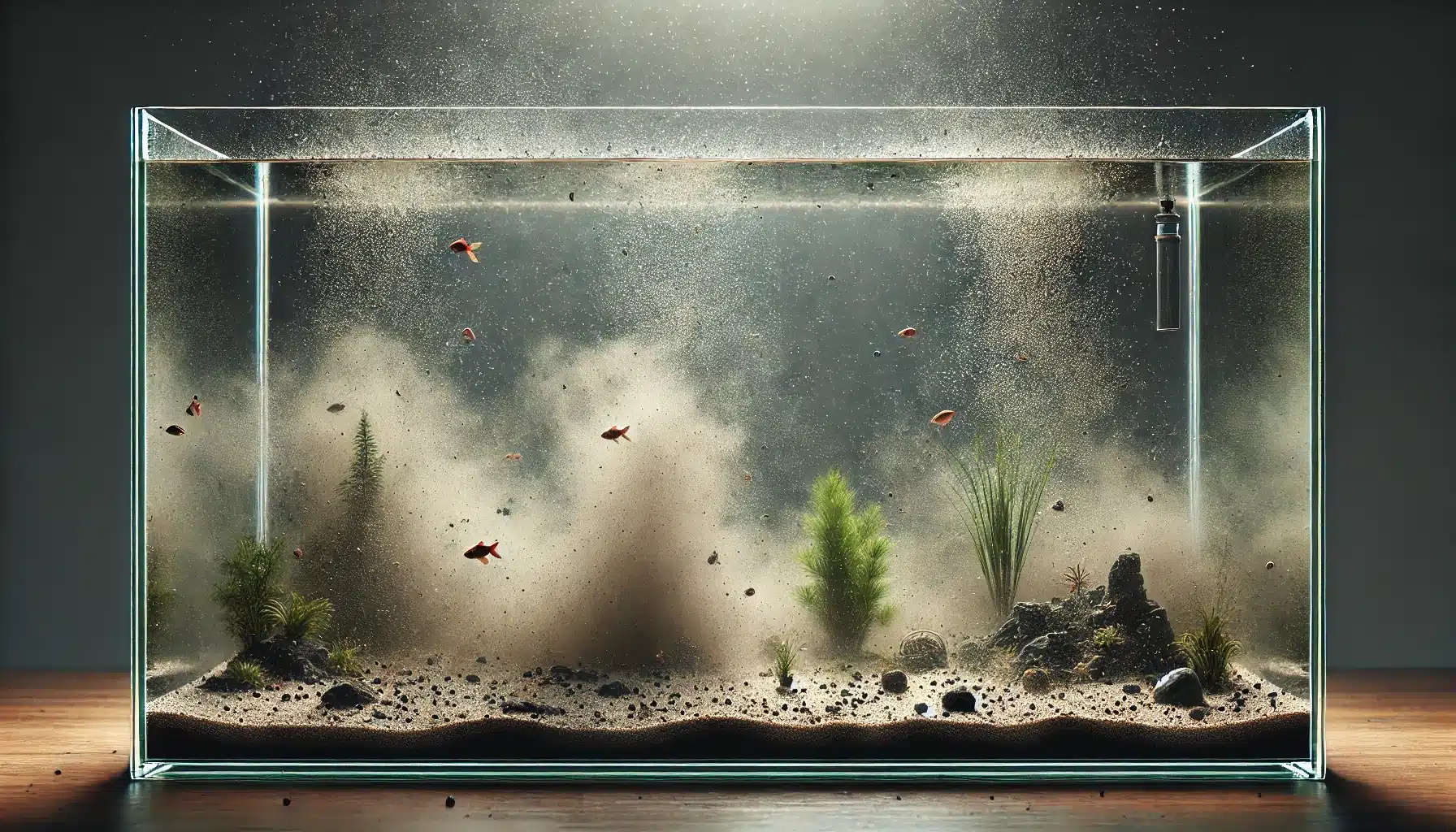
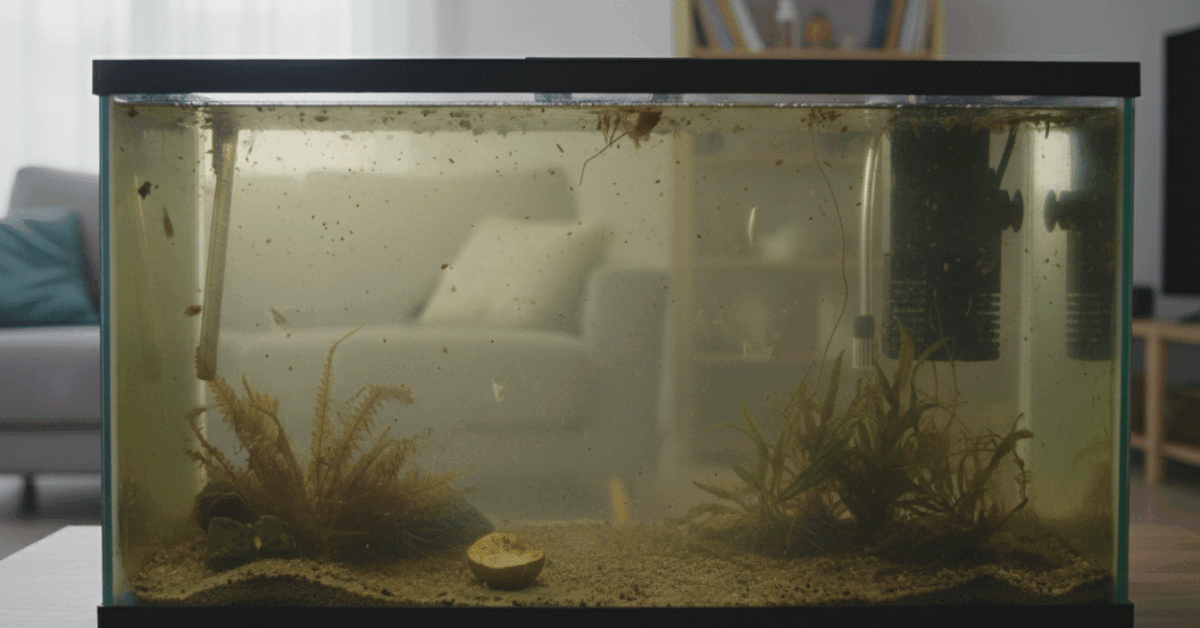
Have you ever gazed at your fish tank and wondered why it seems to get cloudy and grimy so quickly? You’re not alone. We have all struggled with dirty tanks at some point in time. Understanding the root causes can save you time, money, and keep your fish healthier. Let’s dive into the reasons why your aquarium might be getting dirty faster than you’d like.
Keeping an aquarium clean can feel like a never-ending battle. One week it’s crystal clear, and the next, you’re staring at murky water and algae-covered glass; especially before it is fully established. The truth is, several factors work together to make your fish tank dirty, and identifying them is the first step toward a cleaner aquarium environment.
The Main Culprits Behind a Dirty Fish Tank
Overfeeding Your Fish
This is hands-down the most common reason why fish tanks get dirty quickly. When you feed your fish more than they can eat in two to three minutes, the excess food sinks to the bottom and starts decomposing. This decomposition process releases ammonia and other harmful compounds into the water, creating a breeding ground for bacteria and algae.
Something to interesting to note: fish have stomachs roughly the size of their eyes, which means they need far less food than most people think. Overfeeding doesn’t just dirty your tank, it can also lead to obesity and health problems in your fish.
Inadequate Filtration System
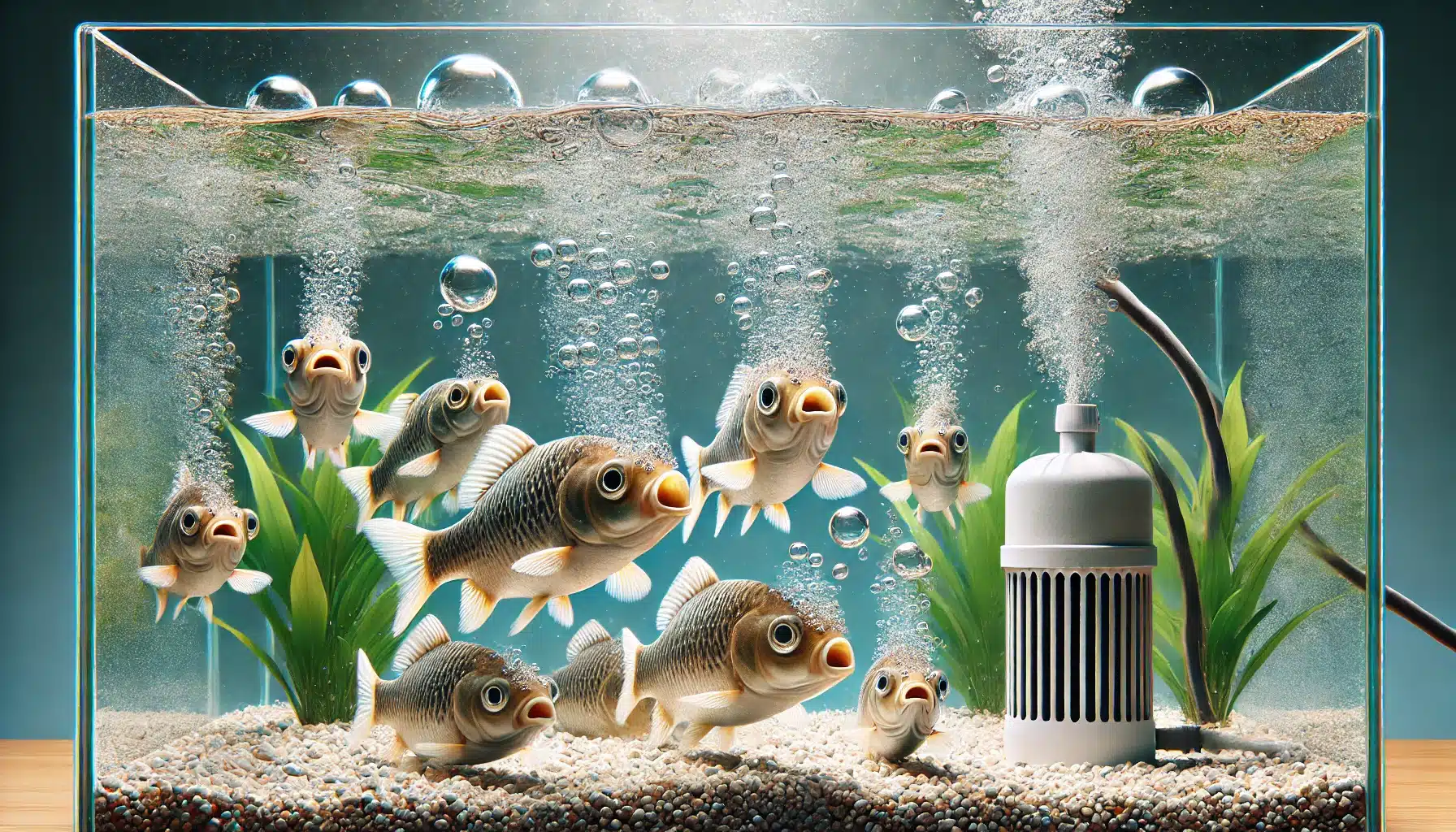
Your filter is the workhorse of your aquarium, but if it’s not powerful enough for your tank size, you’ll notice the water quality declining rapidly. A general rule is that your filter should cycle the entire tank volume at least four times per hour. For example, a 95-litre (25-gallon) tank needs a filter rated for at least 380 litres (100 gallons) per hour.
Many beginners don’t realize that biological filtration is just as important as mechanical filtration. The beneficial bacteria that colonize your filter media are responsible for breaking down toxic ammonia into less harmful substances. If your tank is new or your filter was recently deep-cleaned, these bacteria colonies might not be established yet, leading to faster water deterioration.
Overstocking Your Aquarium
The “one inch of fish per gallon” rule is outdated and often misleading. Modern aquarium keeping focuses on the bioload, which considers not just fish size, but their waste production, swimming behavior, and oxygen needs. An overstocked tank produces more waste than your filtration system can handle, resulting in rapid water quality decline.
Different fish species produce vastly different amounts of waste. Goldfish, for instance, are notorious waste producers and can dirty a tank much faster than tropical community fish of similar size. A single fancy goldfish needs at least 76 litres (20 gallons) of water to thrive.
Environmental Factors That Speed Up Tank Dirtying
Excessive Light Exposure
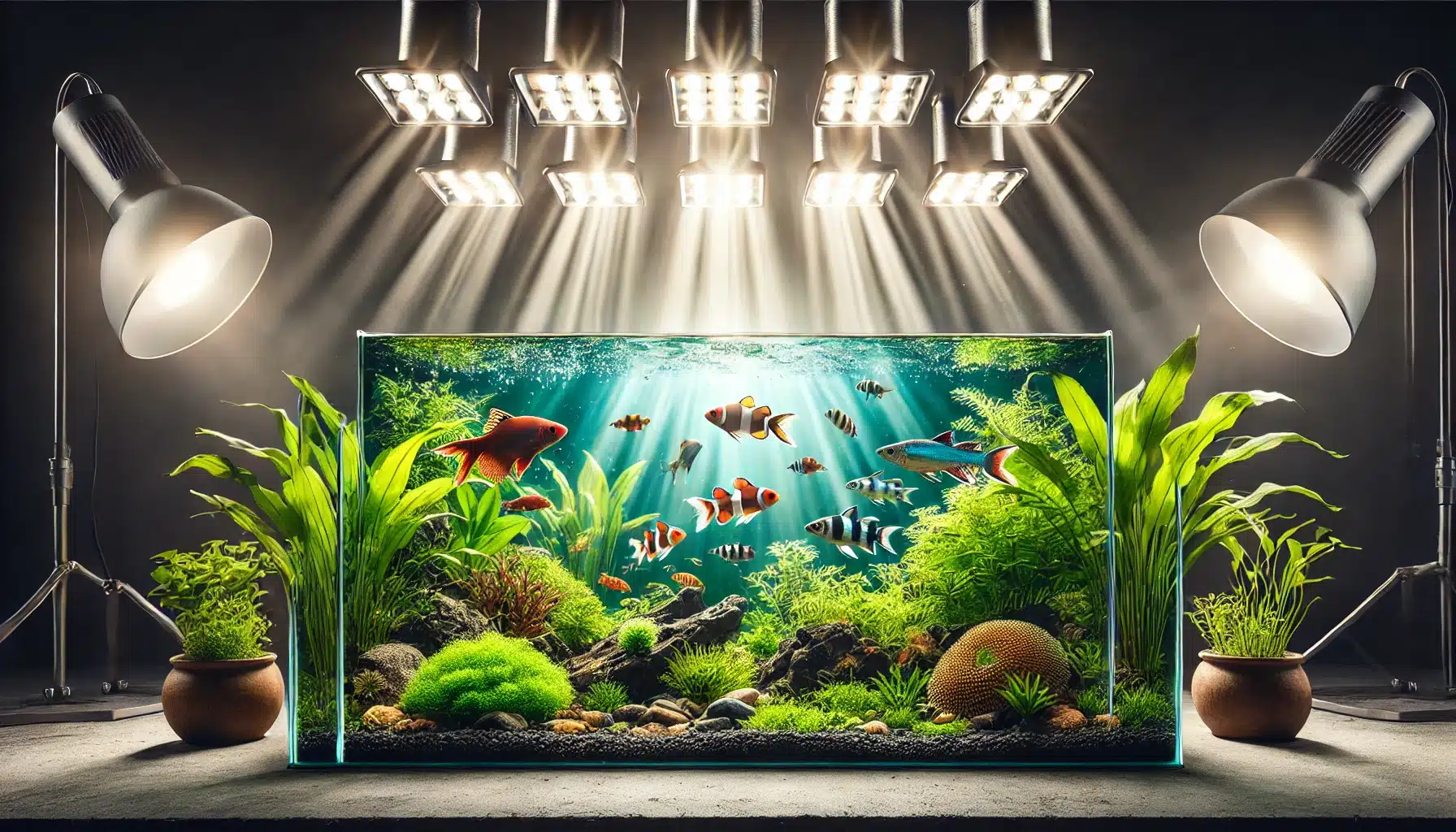
If your aquarium gets direct sunlight or you’re leaving the tank lights on for more than 8-10 hours daily, you’re essentially inviting algae to throw a party in your tank. Algae thrives on light and nutrients, and excessive lighting accelerates its growth dramatically.
Positioning your tank away from windows and using a timer for your aquarium lights can make a massive difference in how quickly your tank gets dirty. Natural daylight contains wavelengths that promote algae growth more effectively than most aquarium lights.
Temperature Fluctuations
Water temperature affects how quickly organic matter breaks down and how fast bacteria multiply. Most tropical fish tanks should be maintained between 24-27°C (75-80°F). When temperatures rise above this range, bacterial growth accelerates, speeding up the decomposition of waste and leftover food.
Keep in mind that for every 10°C (18°F) increase in water temperature, biological processes roughly double in speed. This means a tank at 30°C (86°F) will accumulate waste products almost twice as fast as one at 20°C (68°F).
Hidden Sources of Tank Contamination
Decaying Plant Matter
Live plants are fantastic for aquariums, but dying leaves and stems contribute to tank dirtiness if not removed promptly. As plant material decays, it releases organic compounds that feed algae and cloud the water. Trimming dead leaves weekly and removing them immediately prevents this buildup.
Substrate Problems
The substrate at the bottom of your tank can harbor pockets of decomposing waste, especially if you’re using fine gravel or sand without regular maintenance. These anaerobic zones, areas without oxygen, can develop harmful bacteria and release toxic gases into the water.
An important but often overlooked fact: gravel that’s too fine (less than 2-3mm) or packed too densely can create dead zones where beneficial bacteria can’t thrive, while coarser substrates allow better water flow and oxygenation, reducing waste accumulation.
Infrequent Water Changes
Even with the best filtration, dissolved organic compounds accumulate over time. These compounds, including nitrates, phosphates, and other waste products, can’t be removed by filters alone. They contribute to algae growth, cloudy water, and an overall dirty appearance.
Regular water changes of 20-30% weekly are essential for maintaining water quality. This removes dissolved waste and replenishes essential minerals. Skipping water changes is one of the fastest ways to end up with a dirty fish tank.
The Role of Water Chemistry
Your tap water might be part of the problem. High levels of phosphates and nitrates in source water can accelerate algae growth and contribute to rapid tank dirtying. Testing your tap water before adding it to your aquarium helps you understand what you’re working with.
A surprising fact: some fish medications and treatments contain ingredients that can disrupt your beneficial bacteria colonies, leading to temporary spikes in ammonia and nitrite levels. This disruption can cause your tank to appear dirtier than usual for several weeks after treatment.
Solutions for a Cleaner Fish Tank
Establish a Maintenance Routine
Consistency is key to preventing a dirty aquarium. Create a weekly schedule that includes checking water parameters, performing partial water changes, cleaning the glass, and removing any visible debris. This proactive approach prevents problems before they start.
Upgrade Your Equipment
If you’re constantly battling dirty water, consider investing in a more powerful filter or adding supplementary filtration like a sponge filter or UV sterilizer. Quality equipment pays for itself through reduced maintenance time and healthier fish.
Add Clean-Up Crew Members
Certain aquatic creatures naturally help keep tanks clean. Snails like nerite snails consume algae, while bottom-dwelling fish such as corydoras catfish help clean up leftover food. These additions work alongside your maintenance routine, not as a replacement for it.
Conclusion
Understanding why your fish tank gets dirty fast empowers you to take targeted action. Whether it’s adjusting feeding habits, improving filtration, or maintaining a consistent cleaning schedule, small changes make a big difference. Remember that a healthy aquarium is a balanced ecosystem, and keeping it clean isn’t just about aesthetics but creating the best possible environment for your aquatic pets. With the right knowledge and routine, you can enjoy a crystal-clear tank that stays cleaner for longer, giving you more time to actually enjoy your underwater world rather than constantly maintaining it.