Why Do Fish Keep Dying in Your Tank? Common Causes and How to Fix Them
If you’ve been asking yourself why your fish keep dying, you’re definitely not alone. It’s one of the most frustrating experiences for both new and seasoned aquarium owners, but here’s the good news: most causes are completely preventable once you understand what’s actually happening in your tank.
What’s Really Going On in Your Aquarium
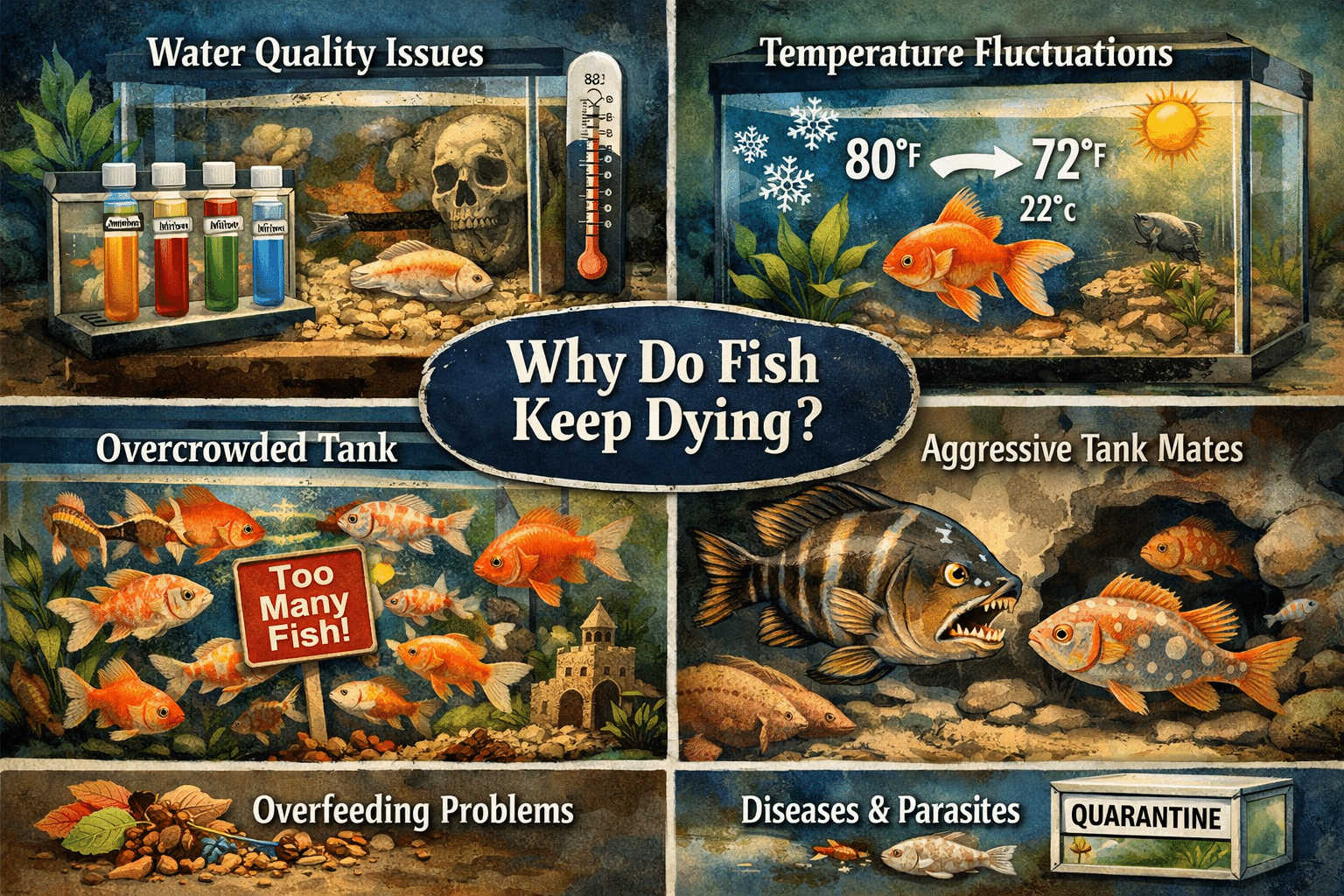
Your fish tank might look like a simple glass box with water and decorations, but it’s actually functioning as a complex mini-ecosystem. When something tips out of balance, your fish feel it first. Whether they’re dying suddenly or slowly declining over time, the culprit usually boils down to water quality issues, compatibility problems, or maintenance habits that need adjusting.
Water Quality: The Biggest Killer You Can’t See
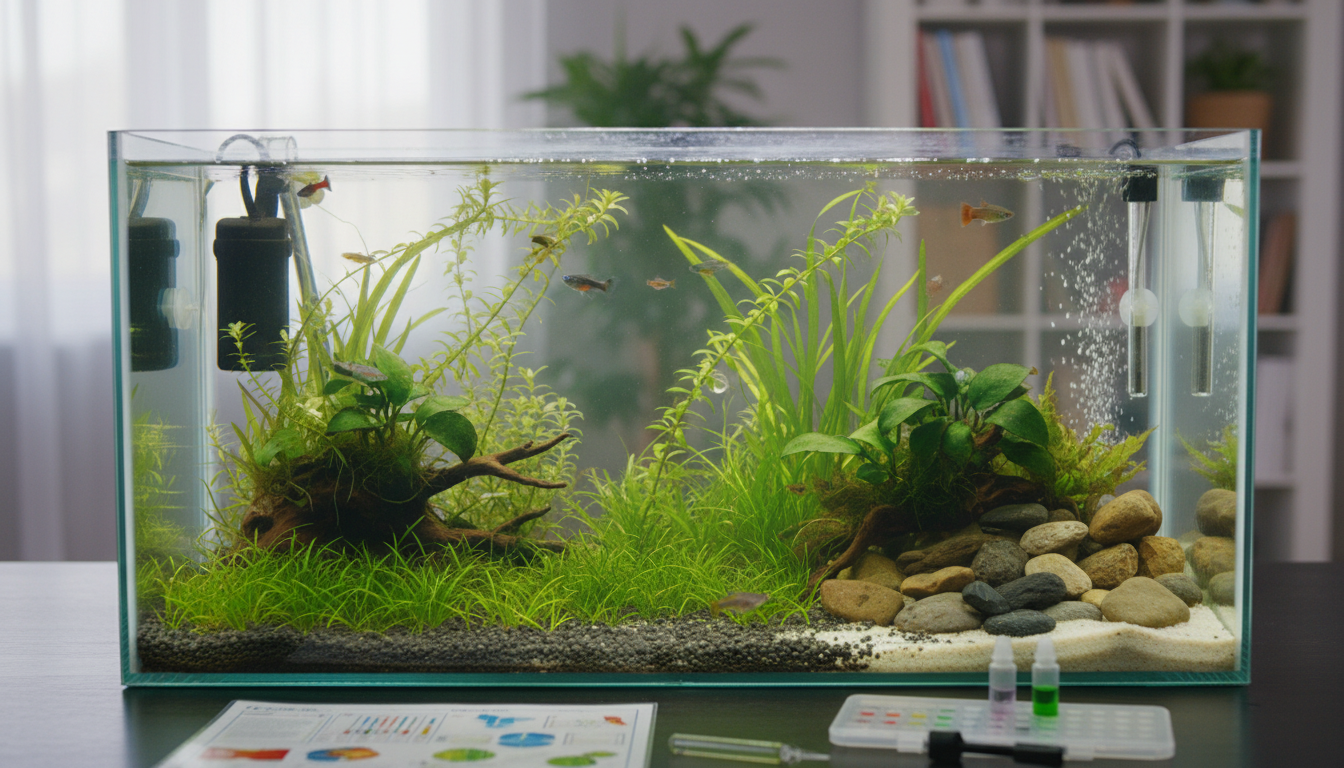
Here’s the thing about water chemistry—your tank can look crystal clear while still being dangerously toxic to fish. Most unexplained deaths trace back to invisible compounds lurking in the water.
Ammonia and nitrite spikes are the most common culprits. These toxins build up from fish waste, uneaten food, and rotting plant matter. Both should always read 0 ppm on your test kit. What many people don’t realize is that ammonia becomes significantly more toxic as your water temperature climbs. If you’re keeping your tank above 28°C (82°F), even borderline ammonia readings can suddenly turn deadly. See here for our guide on how to quickly lower nitrite levels in your tank.
New tank syndrome catches countless beginners off guard. You set up a beautiful new aquarium, add fish right away, and within days they start dying. This happens because your tank hasn’t completed the nitrogen cycle yet, or if you’ve added too many fish too quickly — in short, there aren’t enough beneficial bacteria to handle the waste. Here’s something most guides won’t tell you: these crucial bacteria don’t actually live in the water itself. They colonize your filter sponge and tank surfaces, which means if you scrub your filter too thoroughly with tap water, you can accidentally wipe out your entire bacterial colony overnight.
Temperature Fluctuations Cause Hidden Damage
Fish are incredibly sensitive to temperature swings. A tank that drops from 27°C (80°F) during the day to 22°C (72°F) at night puts enormous stress on their systems. Research shows that even hardy species like goldfish can suffer internal organ damage when temperatures shift more than 2°C (3.5°F) within just a few hours.
The fix is straightforward: invest in a reliable heater and thermometer (check out our top picks using the link), check your species’ preferred temperature range, and keep your tank away from windows and radiators that cause temperature swings.
Tank Size and Overcrowding Problems
Many fish die simply because their tank is too small. That aquarium that looked spacious in the shop quickly becomes cramped as your fish grow. Small community fish need at least 40 litres (10 gallons), goldfish require a minimum of 75 litres (20 gallons) for just the first fish, and even a single betta needs at least 20 litres (5 gallons) to thrive.
There’s also a lesser-known issue with overcrowding: some species actually release pheromones that build up in small spaces and suppress the growth and health of other fish. Regular water changes help dilute these chemical signals.
The Hidden Dangers of Overfeeding
It’s remarkably easy to overfeed your fish without realizing the damage you’re causing. Excess food doesn’t just disappear—it rots on the bottom, releasing ammonia and fueling harmful bacterial blooms. Warning signs include moldy food accumulating on the substrate, cloudy water, and sudden snail population explosions.
Here’s a helpful perspective: most aquarium fish have stomachs roughly the size of their eyes. They truly need far less food than most owners give them.
When Tank Mates Don’t Get Along
Fish compatibility goes beyond whether they’ll physically attack each other. Stress from aggressive tank mates can slowly kill fish through weakened immune systems and starvation. Fin-nippers shouldn’t live with long-finned fish, large predatory species will eventually eat small schooling fish, and you should never keep multiple male bettas together.
What’s fascinating is that some stressed fish release stress hormones directly into the water, and these chemicals can affect other fish—even completely different species.
Disease and Parasite Outbreaks
Illness spreads frighteningly fast in the closed system of an aquarium. Many new fish come from overcrowded breeding facilities where parasites and diseases are endemic. Watch for white spots on the body, ragged or deteriorating fins, unusual lethargy, and gasping near the surface. Quarantining any new arrivals for two weeks can prevent most disease outbreaks before they reach your main tank.
Unexpected Toxins in Your Water
Sometimes fish die from contaminants you never intended to introduce. Soap residue from unwashed hands, aerosol sprays used near the tank, rusty metal decorations, and household cleaners can all poison your water. Even tiny droplets of air freshener can coat the water’s surface and reduce oxygen exchange, slowly suffocating your fish without any obvious signs. See here for our guide to identifying and addressing low oxygen in your tank.
How to Stop Fish Deaths and Create a Healthy Tank
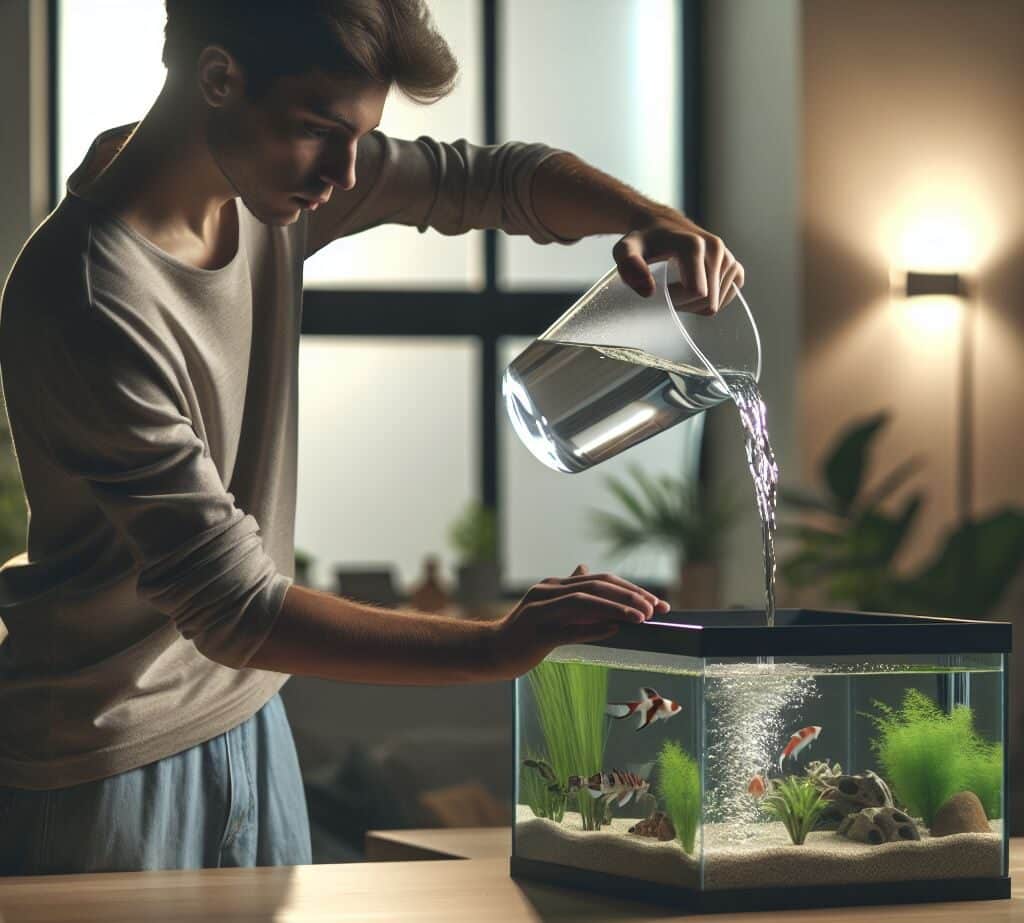
Once you understand what’s going wrong, fixing your tank becomes much more manageable. Test your water parameters at least weekly using a liquid test kit—they’re far more accurate than strips. Perform consistent 25–30% water changes every week, treating new water with dechlorinator before adding it.
When cleaning your filter, rinse the media in old tank water rather than tap water, and never replace all the filter material at once or you’ll crash your cycle. Take time to acclimate new fish slowly, maintain stable temperatures, and introduce new species gradually rather than all at once.
Most importantly, research each species before you buy. Understanding their specific needs prevents problems long before they start.
The Bottom Line on Fish Deaths
Fish rarely die “for no reason”—there’s almost always a clear cause once you know where to look. By understanding how water chemistry actually works, watching for subtle behavioral changes, and providing the right environment for each species, you can keep your fish happy for years. Once your tank reaches that stable, balanced state, you’ll find keeping fish becomes far more enjoyable and much less stressful.