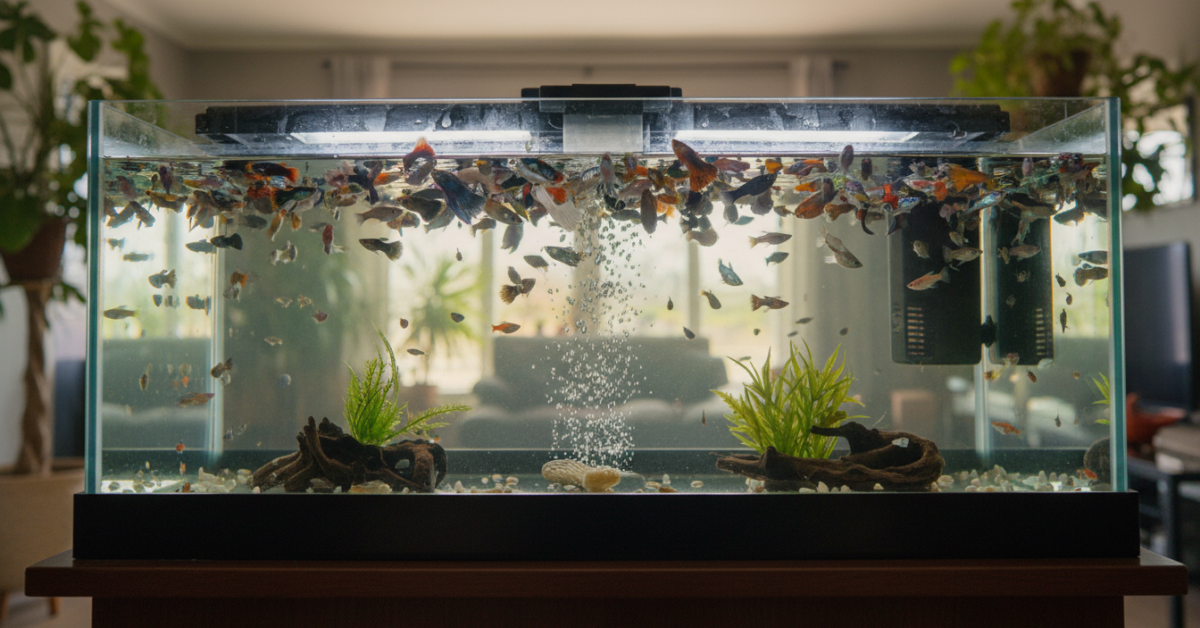
Why Do Fish Swim to the Top of the Tank?
Seeing your fish swimming at the surface of the tank can be concerning, especially if it’s not their usual behaviour. While some fish naturally hang out near the top, a sudden change often signals something’s wrong with your aquarium environment. Understanding why fish go to the top of the tank is crucial for keeping your aquatic pets healthy and happy.
When fish congregate at the water’s surface, they’re usually trying to tell you something about their environment. The most common reason is low oxygen levels in the water, but several other factors can trigger this behaviour.
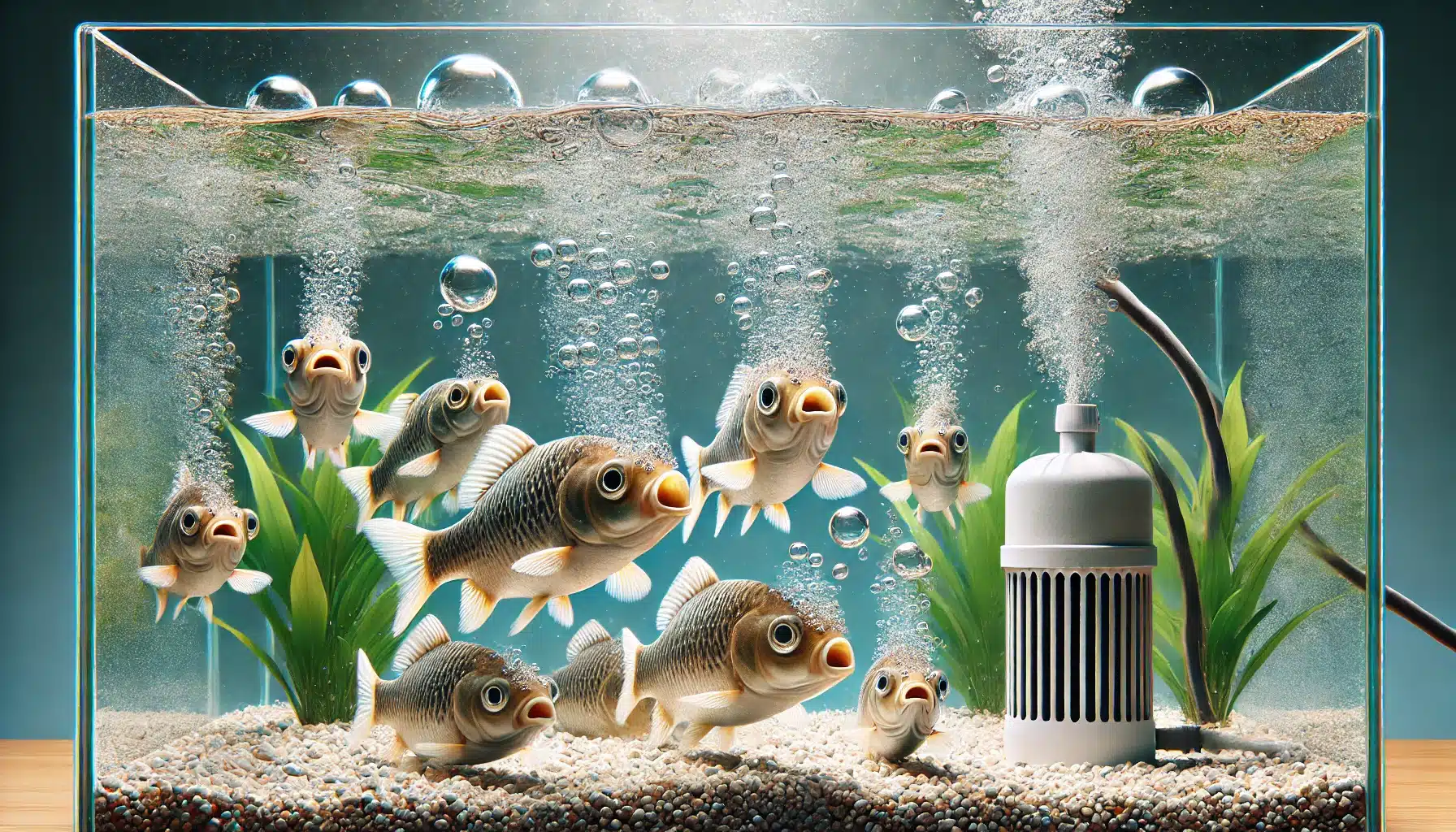
Fish extract oxygen from water through their gills, and when oxygen becomes scarce at lower levels, they instinctively move upward where gas exchange with the air naturally creates slightly higher oxygen concentrations. This behaviour, called gasping or piping, is essentially your fish trying to breathe more easily.
The Oxygen Problem: Most Common Culprit
Low dissolved oxygen is the primary reason fish swim to the top of tanks. Interestingly, warm water holds significantly less oxygen than cold water, which means a temperature increase of just 3-5°C can dramatically reduce available oxygen for your fish. This is why fish behaviour often changes during hot summer months.
Signs Your Tank Has Low Oxygen
Beyond surface swimming, watch for rapid gill movement, lethargy, and loss of appetite. Multiple fish exhibiting these symptoms simultaneously strongly indicates an oxygen crisis requiring immediate attention.
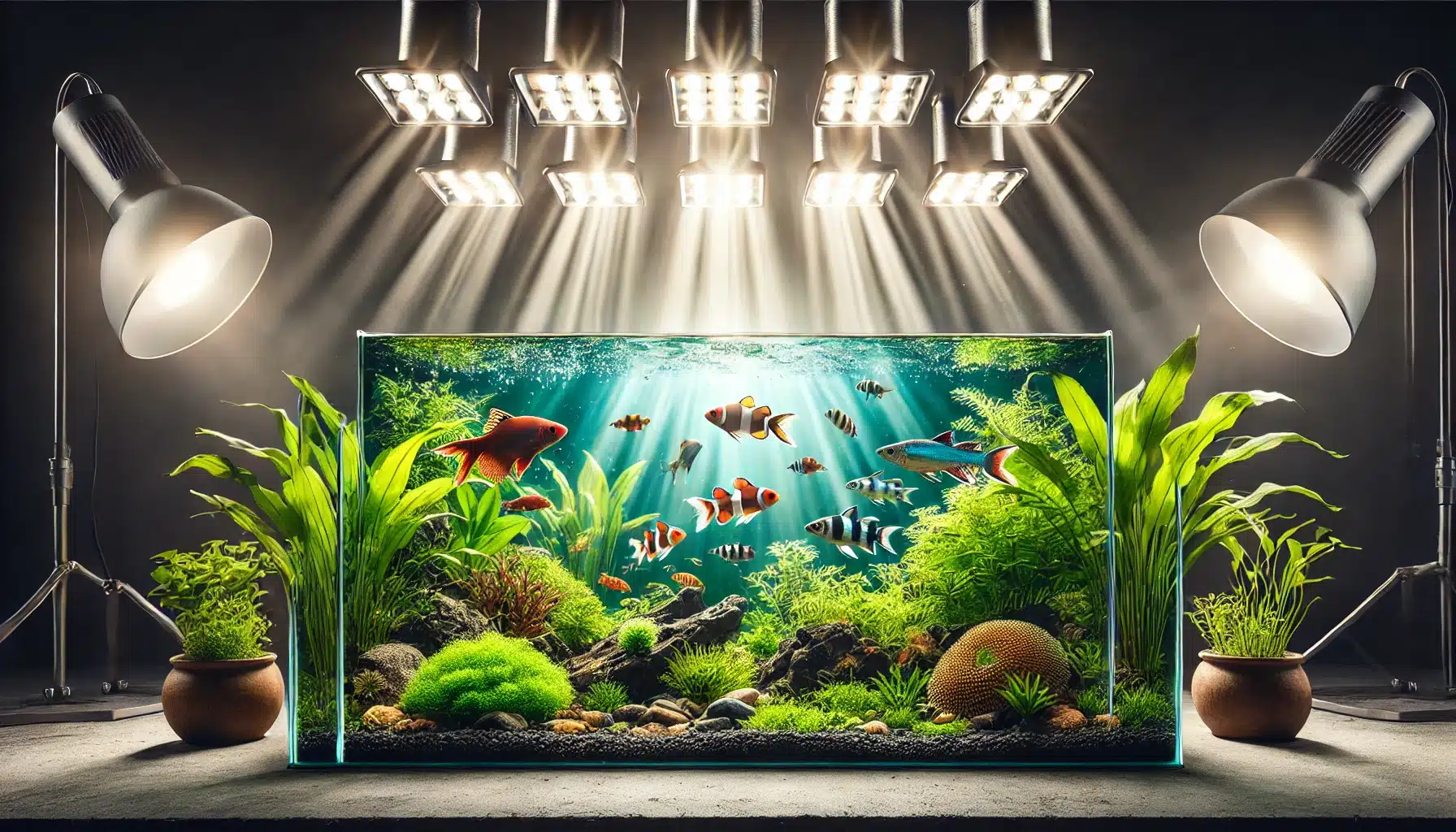
What many fishkeepers don’t realize is that plants actually consume oxygen during nighttime hours rather than producing it. If you have a heavily planted tank, your fish might only show surface-dwelling behaviour in the early morning before lights come on, when oxygen levels hit their lowest point. Read more here about signs of low oxygen in your tank and how to address it.
Temperature Troubles
Water temperature affects fish behaviour more than most people realize. When tanks get too warm, above 27°C (80°F) for most tropical species, the combination of reduced oxygen capacity and increased fish metabolism creates a perfect storm.
Your fish need more oxygen when it’s warm because their metabolic rate increases, yet the water holds less oxygen. This double-whammy sends them straight to the surface seeking relief. If your tank sits in direct sunlight or near heating vents, temperature fluctuations could be stressing your fish.
Overcrowding and Overstocking Issues
Too many fish competing for limited oxygen is a recipe for surface gasping. The general rule suggests 1 litre per 1cm of fish (about 1 gallon per inch), but this oversimplifies things considerably.
Different species have varying oxygen requirements. Goldfish, for instance, consume approximately three times more oxygen than similarly-sized tropical fish due to their higher metabolic rate and waste production. This lesser-known fact explains why goldfish are particularly prone to surface swimming in inadequate setups.
Water Quality and Ammonia Spikes
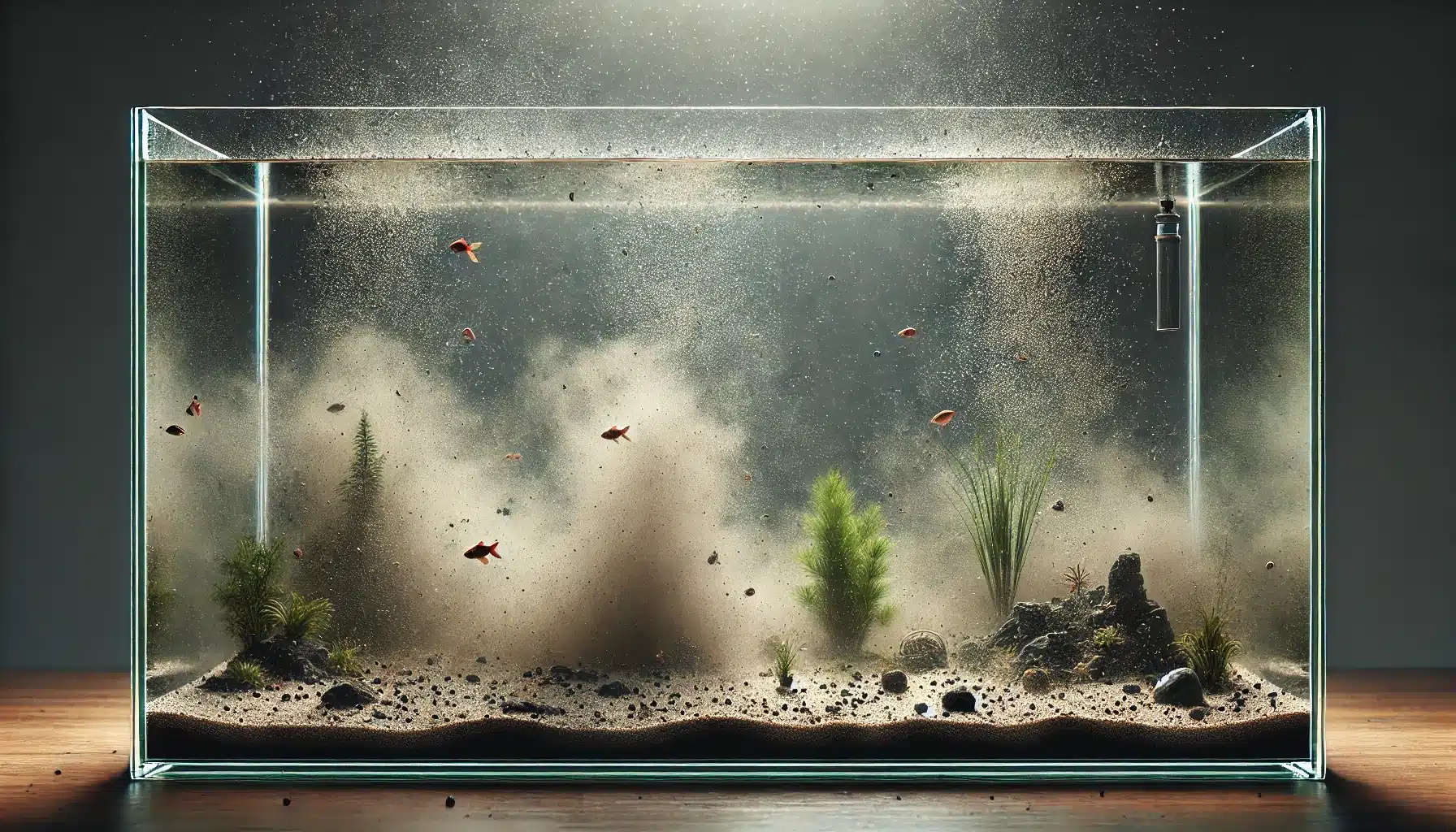
Poor water quality forces fish to the surface as they struggle with damaged gills and stressed systems. Ammonia and nitrite poisoning can make it difficult for fish to absorb oxygen efficiently, even when oxygen levels are actually adequate.
During new tank syndrome or after overfeeding, ammonia spikes occur rapidly. Fish respond by hanging at the surface where they perceive breathing might be easier. Regular water testing prevents this dangerous situation from developing.
The Surface Film Problem
A greasy film on your aquarium’s surface creates a barrier preventing proper gas exchange between air and water. This film, composed of proteins, oils, and organic waste, literally suffocates your tank.
Here’s something most fishkeepers miss: the surface area of your tank matters more for oxygenation than the total volume. A tall, narrow 100-litre (26-gallon) tank provides less oxygen than a shallow, wide tank of the same volume because gas exchange happens at the surface. This explains why long, shallow tanks generally support more fish than tall, deep ones.
Natural Surface-Dwelling Behaviour
Not all surface activity indicates problems. Certain species naturally inhabit upper water layers, including hatchetfish, killifish, and gouramis. These fish possess specialized adaptations for surface living and hunting insects.
Labyrinth fish like bettas and gouramis have evolved a special organ allowing them to breathe atmospheric air directly. You’ll regularly see them visiting the surface for gulps of air, which is completely normal behaviour, not a sign of distress.
Quick Solutions When Fish Go to the Top
If you notice unusual surface-dwelling behaviour, act quickly. Perform an immediate 25-30% water change using temperature-matched, dechlorinated water. This simple action often provides rapid relief by increasing oxygen and diluting any toxins.
Increase surface agitation by adjusting filter outputs or adding an air stone. The bubbles themselves add minimal oxygen, but the water movement they create dramatically improves gas exchange at the surface.
Lower the water temperature gradually if it’s elevated. Never change temperature rapidly, as this shocks fish. Remove the tank lid if you have one, as this improves air circulation and gas exchange.
Long-Term Prevention Strategies
Preventing surface gasping requires maintaining optimal tank conditions consistently. Ensure your filtration system creates adequate surface movement without creating excessive current that stresses fish.
Regular maintenance schedules prevent most oxygen-related problems. Weekly 20-25% water changes, monthly filter media cleaning, and proper feeding practices maintain water quality that supports healthy oxygen levels.
Consider upgrading equipment if your tank frequently experiences oxygen depletion. A more powerful filter or additional air pump might be necessary, particularly in warm climates or for high bioload tanks.
Here’s a fascinating detail many miss: beneficial bacteria in your filter consume significant oxygen amounts, especially during the establishment phase or after cleaning. This means a newly cleaned filter might temporarily reduce available oxygen until bacterial colonies stabilize.
Species-Specific Considerations
Different fish tolerate low oxygen differently. Goldfish and koi are relatively hardy and show warning signs early, giving you time to react. Conversely, sensitive species like discus or rams deteriorate quickly when oxygen drops.
Research your specific species’ requirements. Some fish, particularly those from fast-flowing rivers, need substantially more oxygen than their stagnant-water cousins. Matching your setup to your fish’s natural habitat prevents many problems.
When to Worry vs Normal Behaviour
Occasional surface visits, especially around feeding time, are perfectly normal. Fish learn that food appears at the surface and naturally gather there in anticipation.
However, continuous surface swimming, especially when accompanied by rapid breathing or fish hanging motionlessly at the surface, demands immediate investigation. Multiple fish showing symptoms simultaneously indicates an environmental problem rather than individual illness. Particularly, if you see bottom dwelling species starting to move up the water column.
Conclusion
Understanding why fish go to the top of the tank empowers you to maintain a healthier aquarium environment. While low oxygen remains the most common culprit, temperature issues, overcrowding, and poor water quality all contribute to surface-dwelling behaviour.
By monitoring your tank parameters regularly, maintaining appropriate stocking levels, and ensuring adequate surface agitation, you’ll prevent most situations that send fish to the top. Remember that sudden behavioural changes always warrant investigation, and quick action often makes the difference between a minor issue and a major crisis.
Your fish depend on you to maintain their environment, and surface swimming is one of the clearest ways they communicate that something needs your attention. Stay observant, act promptly, and your aquatic friends will thrive in the underwater world you’ve created for them.