Setting up your first aquarium is exciting, but before you even think about adding fish, there’s one crucial decision to make: where exactly should you place your tank? The location you choose can mean the difference between a thriving aquatic ecosystem and a maintenance nightmare. Let’s explore the best spots for your fish tank and the key factors that will help your underwater friends flourish.
Why Tank Placement Matters More Than You Think
Your fish tank’s location affects everything from water temperature stability to algae growth and even the structural integrity of your floor. A poorly positioned aquarium can lead to stressed fish, excessive cleaning, and potentially expensive problems down the line. Getting it right from the start saves you time, money, and keeps your fish healthy.
The Golden Rules of Fish Tank Placement
Avoid Direct Sunlight at All Costs
This is probably the most important rule when deciding where to set up a fish tank. Natural sunlight might seem beneficial, but it’s actually your aquarium’s worst enemy. Direct sunlight causes rapid temperature fluctuations and turbocharges algae growth, turning your crystal-clear water into a green soup within days.
Here’s something many new fishkeepers don’t realize: even indirect bright light from windows can raise your tank temperature by 3-5°C (5-9°F) during sunny afternoons, which can stress or even kill sensitive fish species. Position your aquarium away from windows, or at minimum ensure sunlight never directly hits the glass.
Keep Away from Heat Sources and Cold Drafts
Radiators, heating vents, air conditioning units, and exterior doors all create temperature instability. Fish are cold-blooded creatures that rely on consistent water temperatures, typically between 24-27°C (75-80°F) for tropical species. Placing your tank near heat sources or drafty areas forces your heater to work overtime and creates stressful temperature swings.
Interestingly, temperature fluctuations are more harmful to fish than slightly incorrect but stable temperatures. A tank that varies by even 2-3°C throughout the day can compromise your fish’s immune systems, making them susceptible to diseases.
Structural Considerations You Can’t Ignore
Check Your Floor’s Load-Bearing Capacity
Water is heavy, really heavy. A 200-litre (53-gallon) aquarium weighs approximately 250 kg (550 pounds) when filled, including substrate, decorations, and equipment. That’s like parking three adults permanently in one spot of your floor.
Ground floor rooms or areas directly over basement support beams are ideal for larger tanks. If you’re placing a tank on an upper floor, position it perpendicular to floor joists where possible, and avoid placing tanks larger than 150 litres (40 gallons) in the center of rooms where floor flex is greatest. Many insurance claims related to aquariums stem from structural damage rather than leaks, making this consideration crucial for your home’s integrity.
Ensure a Level, Sturdy Surface
Your aquarium must sit on a completely level surface. Even a slight tilt creates uneven pressure on the glass seams, which can eventually lead to leaks or catastrophic failure. Use a spirit level to check both the stand and the floor beneath it before filling your tank.
The stand should be purpose-built for aquariums, with weight distributed evenly across the entire base. Regular furniture isn’t designed for this constant, concentrated load and can warp over time.
Practical Accessibility and Convenience
Access to Electrical Outlets
Modern aquariums require multiple pieces of equipment: heaters, filters, lights, and possibly air pumps. You’ll need at least two to three electrical outlets nearby. Avoid running extension cords across walkways, and ensure outlets are protected from water splashes during maintenance.
Here’s a lesser-known safety tip: create a drip loop with all electrical cords. This simple technique, where the cord hangs below the outlet before plugging in, prevents water from following the cord directly into the socket.
Room for Maintenance and Viewing
Leave at least 30-45 cm (12-18 inches) of space on all sides for comfortable access during water changes, glass cleaning, and filter maintenance. You’ll also want the tank positioned at a comfortable viewing height, typically with the water surface at seated eye level for maximum enjoyment.
Position your aquarium in a room where you’ll actually see and enjoy it daily. Fish benefit from regular observation because you’ll quickly notice any health issues or equipment problems. Tucking a tank away in a rarely-used room defeats half the purpose of keeping fish.
The Noise and Vibration Factor
Constant vibrations from nearby speakers, washing machines, or heavy foot traffic stress fish considerably. Their lateral line system detects even subtle vibrations, and chronic exposure can suppress their immune systems and natural behaviors.
Similarly, avoid placing tanks in extremely noisy areas. While fish don’t have external ears, they’re highly sensitive to vibrations transmitted through water, which travel four times faster than through air. A quiet corner away from home entertainment systems and high-traffic areas helps your fish feel secure.
Room-Specific Recommendations
Best Rooms for Fish Tanks
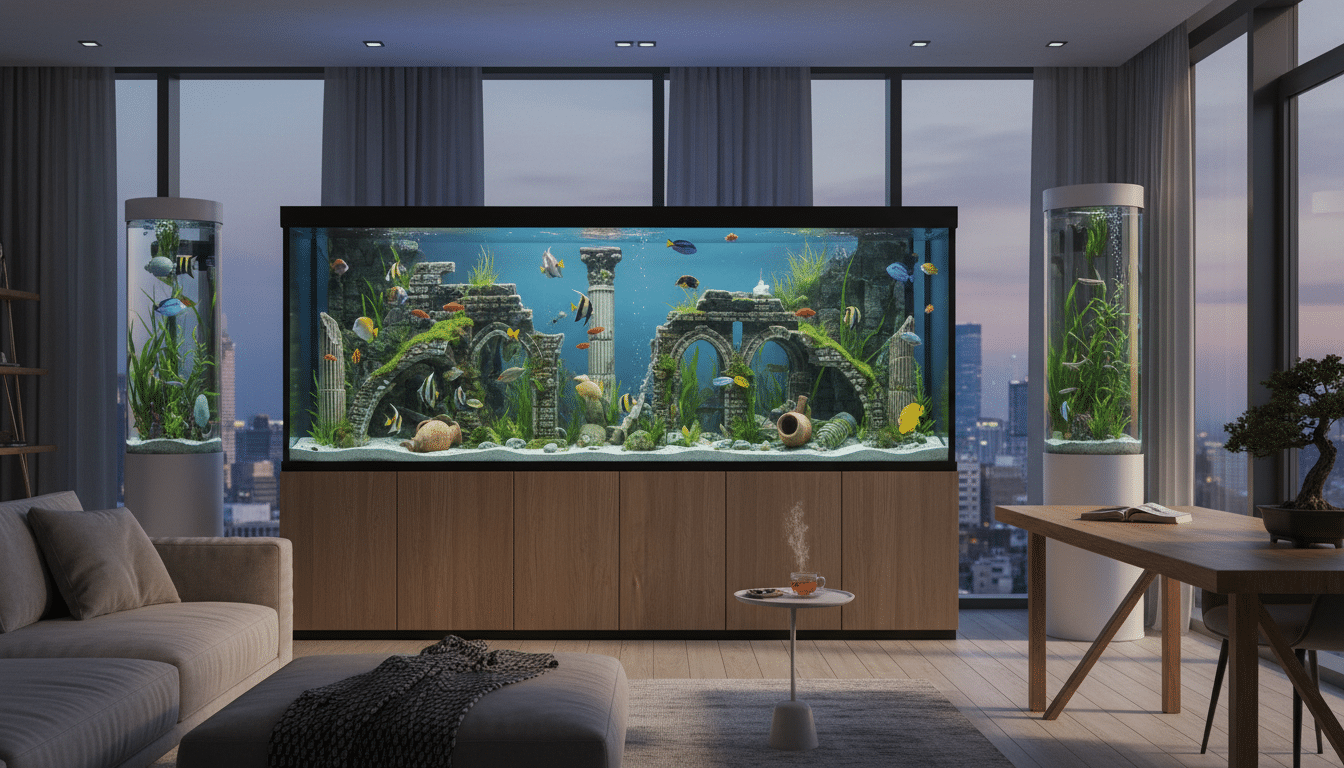
Living rooms and home offices typically offer ideal conditions for fish tank placement. They maintain stable temperatures, have controlled lighting, and allow for frequent viewing. These rooms usually have sturdy flooring and multiple electrical outlets.
Bedrooms can work well for smaller tanks, and many people find the gentle filter sounds soothing. However, avoid this location if you’re a light sleeper or if the tank light will disturb your sleep schedule.
Rooms to Avoid
Kitchens expose aquariums to cooking grease, temperature fluctuations, and airborne contaminants. Bathrooms create humidity problems for equipment and experience dramatic temperature changes. Conservatories or sunrooms, despite seeming naturally aquatic, suffer from extreme temperature swings and excessive light.
Garages and outbuildings rarely maintain stable temperatures year-round unless climate-controlled, making them unsuitable for most tropical fish species.
The Water Source Consideration
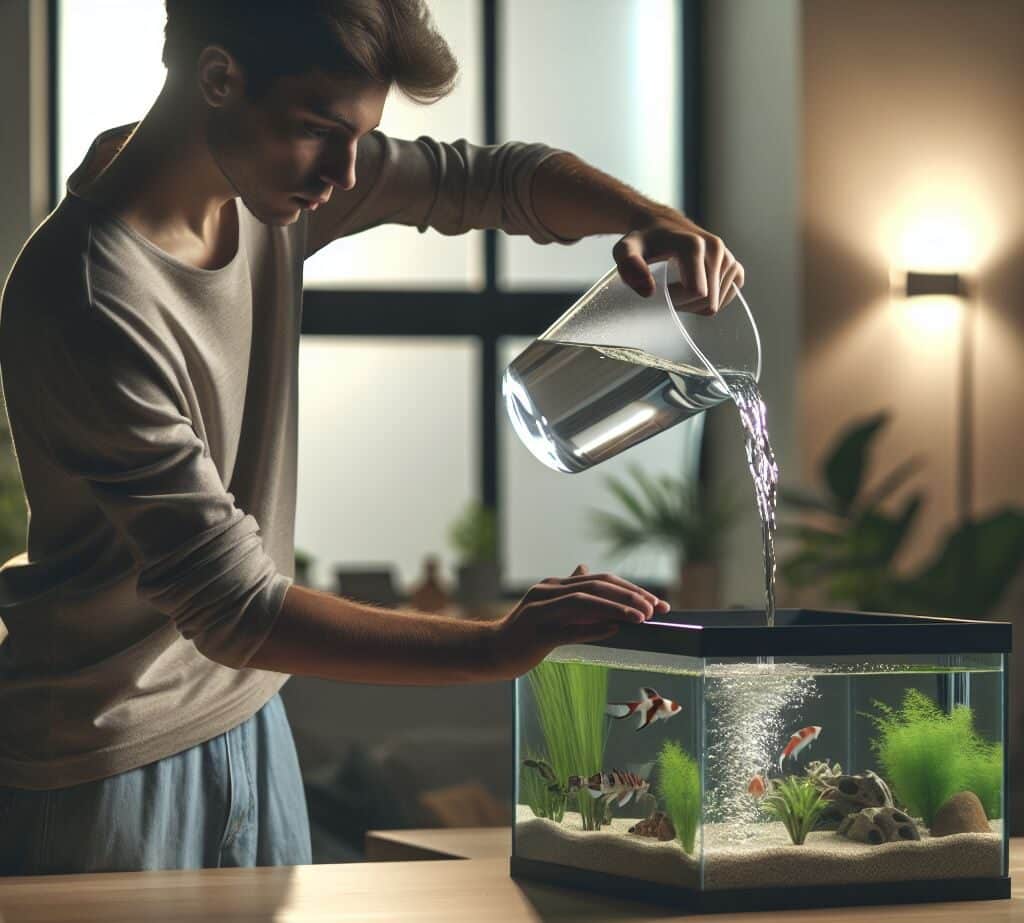
While not a dealbreaker, positioning your tank reasonably close to a water source makes maintenance significantly easier. Regular water changes, typically 20-30% weekly for most tanks, mean carrying heavy buckets or running long hoses. The closer you are to a tap, the less hassle you’ll face during routine upkeep.
Additionally, proximity to a drain helps immensely when performing large water changes or tank cleaning. You can siphon directly to a sink or outside drain rather than hauling multiple buckets of old water through your home.
Making the Final Decision
When choosing where to set up your fish tank, create a checklist addressing each consideration covered above. The perfect spot balances structural safety, environmental stability, practical accessibility, and viewing enjoyment. Don’t rush this decision; moving a filled aquarium later is extremely difficult and risky.
Take photos of potential locations and observe them throughout the day. Notice where sunlight hits, how room temperature changes, and whether the spot remains convenient during your daily routine. This small investment of time upfront prevents major headaches down the road.
Final Thoughts on Optimal Tank Positioning
The location you choose for your aquarium fundamentally impacts your success as a fishkeeper. By avoiding direct sunlight and heat sources, ensuring structural integrity, providing easy access for maintenance, and minimizing environmental stresses, you create the foundation for a thriving aquatic environment.
Remember that the best aquarium location balances your fish’s needs with your practical constraints. Sometimes compromise is necessary, but never compromise on structural safety or temperature stability. Your fish depend on you to create a stable, stress-free environment, and it all starts with choosing the right spot in your home.
Take your time with this decision. Once you’ve found that perfect location and watched your aquarium flourish there, you’ll understand why experienced fishkeepers always say: location, location, location.