Velvet Fish Disease
If you’ve noticed your fish covered in what looks like gold or rust-colored dust, you might be dealing with one of the most dangerous parasites in the aquarium hobby. Velvet disease, also known as gold dust disease or rust disease, can wipe out an entire tank within days if left untreated. Understanding how to identify, treat, and prevent this parasitic infection could save your fish’s lives.
What Is Velvet Disease in Fish?
Velvet disease is caused by a parasitic dinoflagellate called Oodinium, with the most common species being Oodinium pillularis in saltwater and Oodinium limneticum in freshwater environments. This microscopic parasite attaches itself to your fish’s skin and gills, feeding on their cells and causing severe damage. The name “velvet” comes from the characteristic velvety or dusty appearance the parasite creates on the fish’s body, though this can be surprisingly difficult to spot in early stages.
What makes velvet particularly dangerous is its rapid life cycle. Unlike some other fish diseases, velvet can complete its entire reproductive cycle in as little as six days at warmer temperatures, allowing it to spread through your aquarium at an alarming rate. Many aquarists don’t realize that Oodinium is photosynthetic, meaning it can actually produce its own energy from light, which is why darkening the tank is part of the treatment protocol.
Identifying Velvet Disease: Signs and Symptoms
Early detection is crucial when dealing with velvet fish disease. The parasite starts its attack on the gills before becoming visible on the body, which means your fish may already be struggling by the time you notice the telltale golden dust.
Visual Symptoms
The most recognizable sign is a fine, dust-like coating on the fish’s body, typically appearing gold, yellow, or rust-colored. This coating is easiest to see when you shine a flashlight at an angle on your fish in a darkened room. However, the dusty appearance only becomes visible once the infection has progressed significantly.
Behavioral Changes
Infected fish often exhibit several behavioral changes including rapid gill movement as they struggle to breathe, lethargy and hiding more than usual, rubbing or flashing against rocks and decorations to relieve irritation, clamped fins held close to the body, and loss of appetite. An interesting fact that many aquarists don’t know is that velvet parasites can survive without a host for up to 24 hours in freshwater and several days in marine environments, making complete eradication challenging.
How Fish Get Velvet Disease
Understanding how velvet enters your aquarium helps prevent future outbreaks. The most common sources include new fish that are already infected but not showing symptoms, plants or decorations from infected tanks, contaminated water from other aquariums, and live food that may carry the parasite.
Stress is a major factor in velvet outbreaks. Fish with compromised immune systems from poor water quality, overcrowding, or inadequate nutrition are far more susceptible to infection. Research has shown that velvet parasites can detect chemical signals released by stressed fish, essentially allowing them to target the weakest individuals in your tank first.
Treating Velvet Disease Effectively
Quick action is essential when treating velvet fish disease. The infection can kill fish within days if left untreated, but fortunately, effective treatments are available when applied correctly.
Copper-Based Treatments
Copper sulfate is the gold standard for treating velvet in both freshwater and saltwater aquariums. The recommended therapeutic dose is typically 0.15 to 0.20 parts per million for saltwater and slightly higher for freshwater. However, copper is toxic to invertebrates, so you’ll need to treat fish in a hospital tank if you have shrimp, snails, or corals. It’s also important to be aware that copper binds to calcium carbonate, so if you have crushed coral substrate or limestone decorations, they’ll absorb the medication and reduce its effectiveness.
Alternative Treatment Options
For aquarists who prefer copper-free options, several alternatives exist. Formalin-based medications can be effective against velvet, though they require careful dosing and excellent aeration. Raising the water temperature to 28-30°C (82-86°F) speeds up the parasite’s life cycle, making it more vulnerable to treatment, but this should only be done with species that can tolerate higher temperatures. Salt baths using aquarium salt at 1-3 tablespoons per 19 litres (5 gallons) can help, though this works better as a preventative measure than a cure.
The Complete Treatment Protocol
Successful treatment requires more than just medication. Remove carbon from your filter as it will absorb medications, turn off UV sterilizers during treatment, darken the aquarium by covering it or turning off lights to inhibit the photosynthetic parasite, maintain excellent water quality with regular water changes, and continue treatment for at least 10-14 days, even after symptoms disappear.
Here’s something most guides won’t tell you: the free-swimming stage of velvet (dinospores) can only survive about 15-24 hours without finding a host. This means if you can remove all fish from your display tank and treat them separately, leaving the main tank fallow for 4-6 days will effectively eliminate the parasite.
Preventing Future Velvet Outbreaks
Prevention is always easier than treatment when it comes to velvet fish disease. Implementing a strict quarantine protocol is your best defense against introducing parasites to your main aquarium.
Quarantine New Arrivals
All new fish should spend at least 2-4 weeks in a quarantine tank before joining your main aquarium. During this period, observe them closely for any signs of disease and consider prophylactic treatment with copper or other medications.
Maintain Optimal Water Conditions
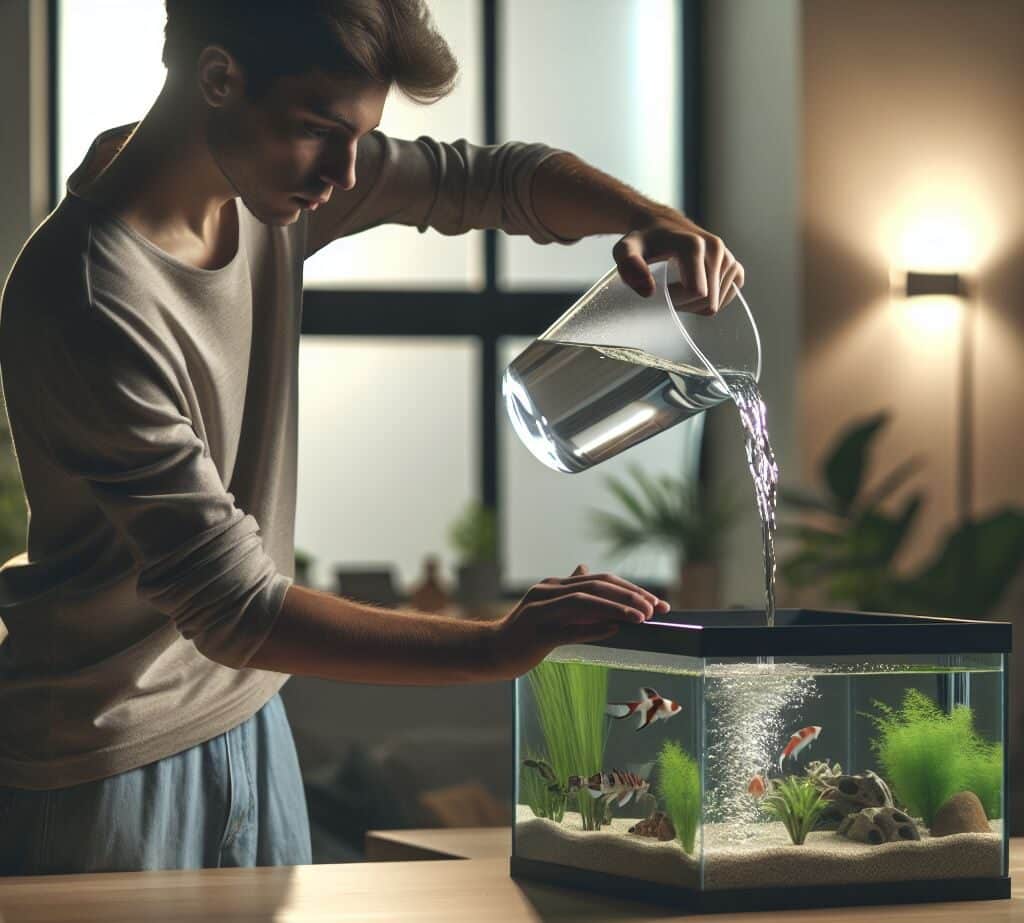
Healthy fish with strong immune systems are far less likely to develop severe velvet infections. Keep ammonia and nitrite at zero, maintain stable pH and temperature levels, perform regular water changes of 25-30% weekly, avoid overcrowding your aquarium, and provide a nutritious, varied diet.
Sterilize Equipment and Decorations
Never share nets, siphons, or other equipment between tanks without proper disinfection. Items from an infected tank should be dried completely for several days or disinfected with a bleach solution (1 part bleach to 19 parts water), then thoroughly rinsed and dechlorinated.
Velvet vs. Ich: Understanding the Difference
Many aquarists confuse velvet with ich (white spot disease), but these are caused by different parasites requiring different treatments. Ich appears as distinct white spots resembling grains of salt, while velvet creates a fine, dusty coating. Ich spots are larger and clearly visible, whereas velvet requires angled light to see clearly. One fascinating distinction is that velvet parasites embed themselves much deeper into the fish’s tissue than ich, which is why velvet tends to be more deadly and harder to treat.
The Bottom Line on Velvet Fish Disease
Velvet disease remains one of the most serious threats to aquarium fish, but it’s entirely manageable with quick action and proper treatment. The key is catching it early, before it spreads throughout your entire tank and causes massive casualties. Remember that the dusty appearance is often a late-stage symptom, so pay close attention to behavioral changes like rapid breathing, flashing, and lethargy.
Investing in a quarantine tank and establishing a strict quarantine protocol for all new arrivals is the single most effective way to prevent velvet from ever entering your aquarium. While it requires additional space and effort, it’s far less stressful and expensive than treating an entire infected tank.
If you do face a velvet outbreak, act immediately with copper-based medications or proven alternatives, darken the tank, maintain pristine water quality, and complete the full treatment course. With proper care and vigilance, your fish can make a full recovery, and you can prevent future outbreaks from threatening your aquatic community.