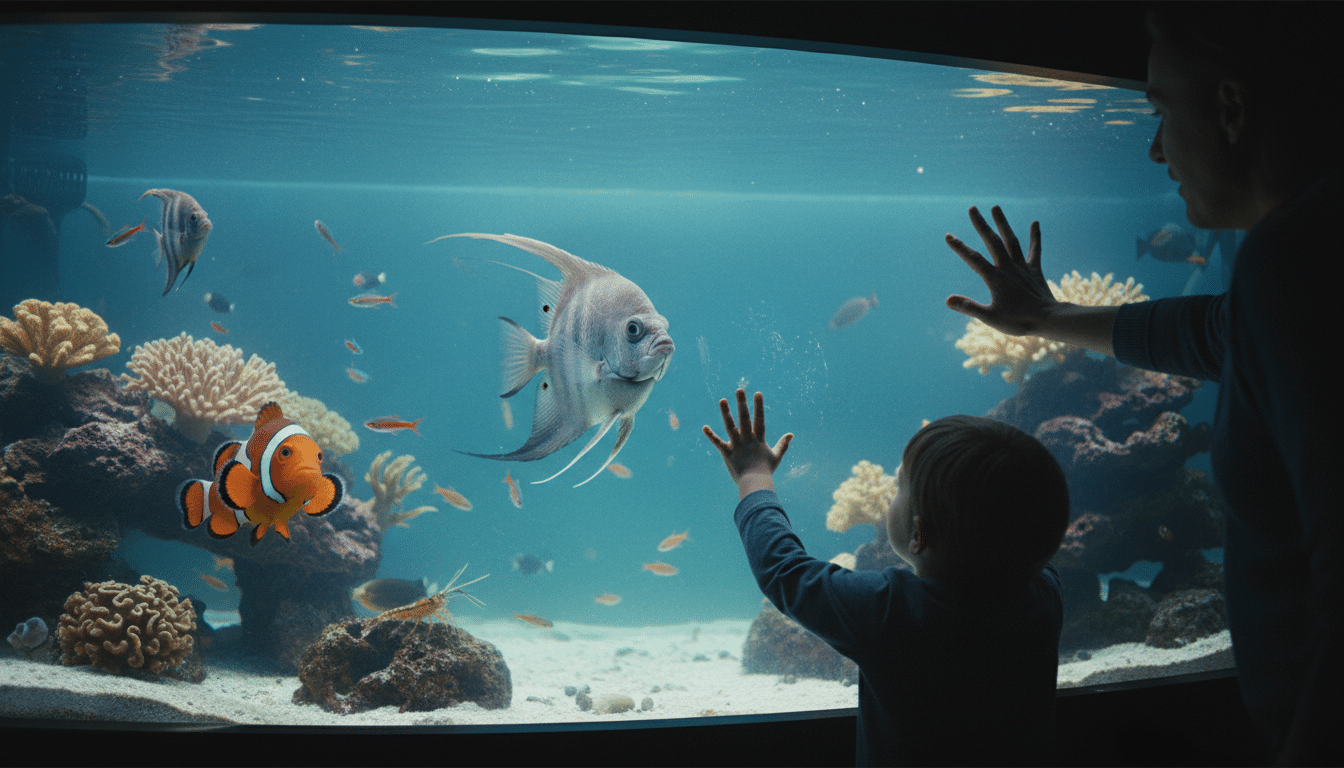
Is It Bad To Tap On Aquarium Glass?
We’ve all been there. You’re standing in front of a beautiful aquarium, and you just want to get the fish’s attention. Your hand moves toward the glass, ready to give it a little tap. But before you do, you should know what’s really happening on the other side of that glass and why this seemingly innocent gesture might not be as harmless as you think.
The short answer is yes, tapping on aquarium glass is bad for fish. While it might seem like a gentle way to interact with your aquatic pets or get them moving, this action can cause significant stress and even physical harm to the fish inside. Let’s dive deeper into why this common behavior should be avoided and what you can do instead.
Why Tapping On Fish Tank Glass Is Harmful
When you tap on aquarium glass, you’re creating vibrations that travel through the water much differently than through air. Fish are incredibly sensitive to these vibrations, and what seems like a quiet tap to you becomes amplified in their underwater environment.
How Fish Perceive Sound And Vibrations
Fish don’t hear the way we do, but they’re far from deaf. They possess a specialized sensory system called the lateral line, which runs along both sides of their body. This remarkable organ detects even the slightest water movements and pressure changes. What many people don’t realize is that fish can detect vibrations at frequencies as low as 5 Hz, well below what humans can hear, making them extraordinarily sensitive to any disturbance in their environment.
Additionally, fish have inner ears with otoliths, which are small calcium carbonate structures that help them detect sound waves traveling through water. When you tap on the glass, these systems go into overdrive, receiving what they interpret as a potential threat signal.
The Stress Response In Aquarium Fish
When fish experience sudden loud noises or vibrations from glass tapping, their bodies immediately trigger a stress response. This isn’t just about being momentarily startled; the effects can be quite serious.
Physical Impact Of Stress
Stressed fish release cortisol, often called the stress hormone, which suppresses their immune system. This makes them more vulnerable to diseases and infections that are always present in aquarium water. Chronic stress from repeated glass tapping can reduce a fish’s lifespan by up to 30%, a fact that surprises many aquarium enthusiasts.
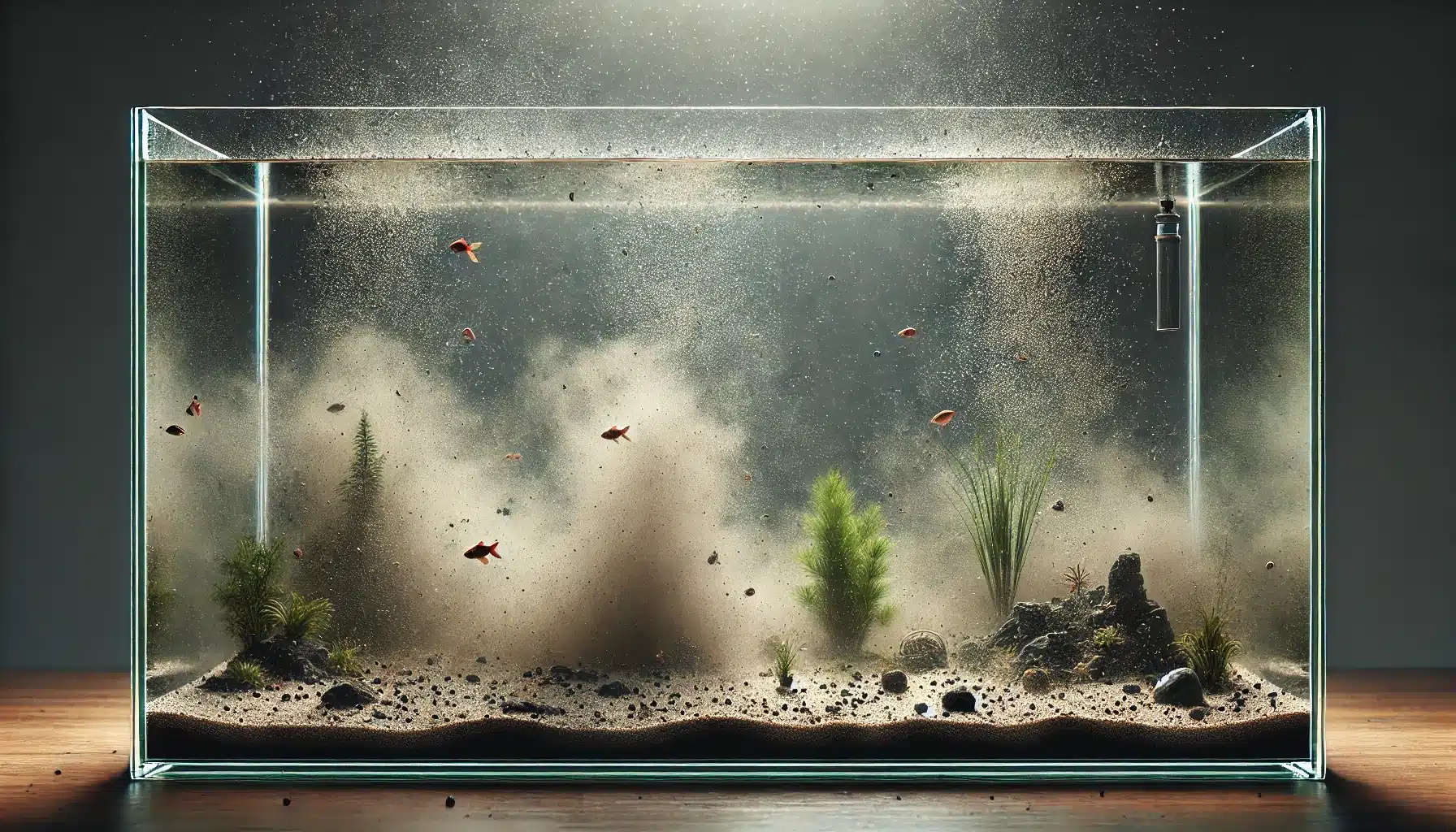
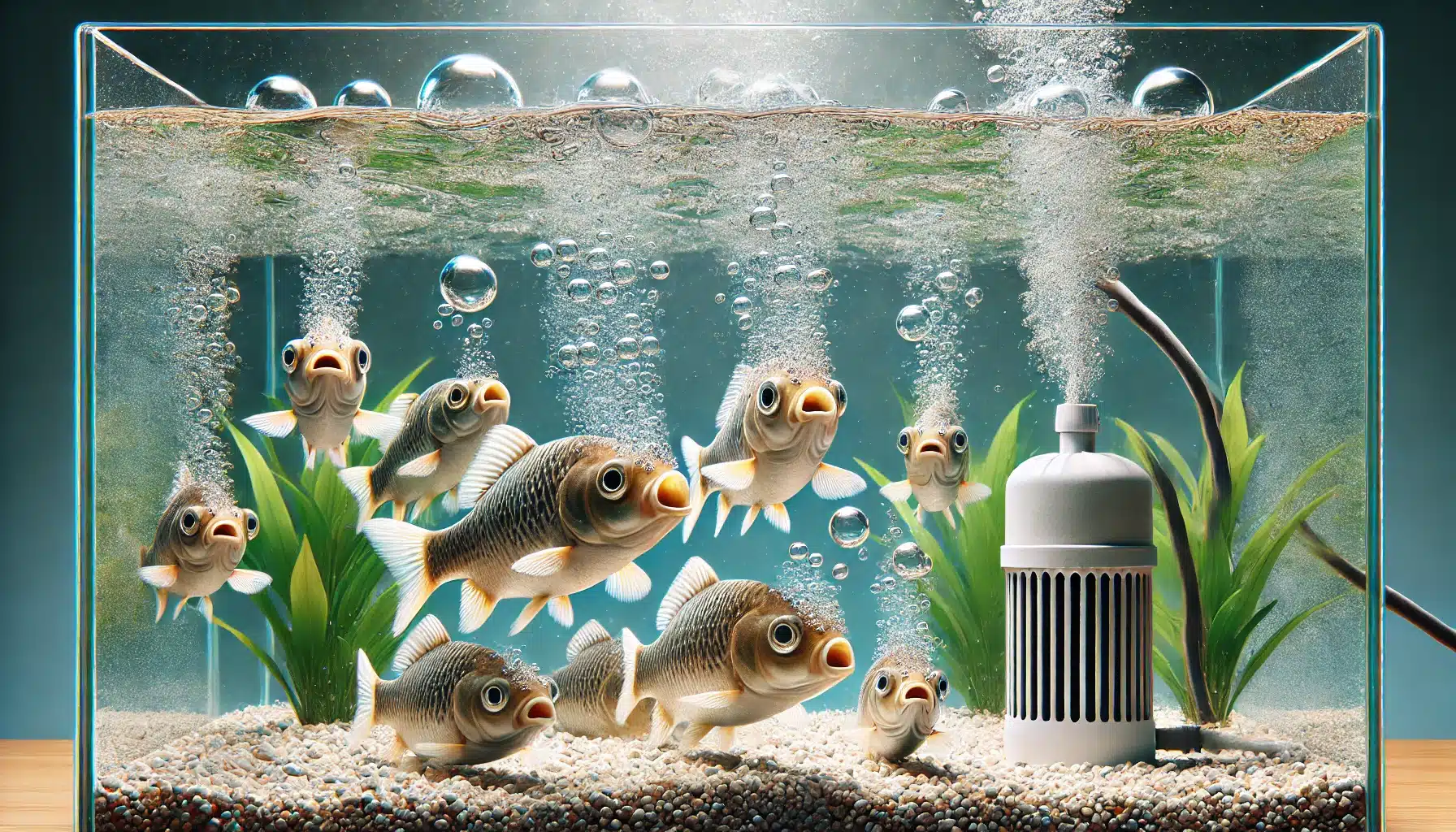
The immediate physical reactions you might observe include rapid gill movement, erratic swimming patterns, hiding behavior, and loss of color. Some fish may even injure themselves by frantically swimming into decorations or the tank walls in their panic to escape.
Long Term Behavioral Changes
Repeated tapping on fish tanks doesn’t just cause temporary stress. Over time, fish can develop anxiety related behaviors that persist even when the tapping stops. They may become perpetually skittish, refuse to eat properly, or show aggression toward tank mates.
Some species of fish, particularly cichlids and bettas, can develop learned helplessness from repeated stress, where they simply stop responding to stimuli altogether, becoming lethargic and withdrawn.
Special Considerations For Different Fish Species
While tapping on aquarium glass is harmful to all fish, some species are more sensitive than others. Understanding these differences helps explain why the same action can have varying levels of impact.
Highly Sensitive Species
Bottom dwelling fish like corydoras catfish and loaches are particularly vulnerable because they rely heavily on their barbels and lateral line systems to navigate and find food. Vibrations from glass tapping can disorient them significantly more than surface swimming species.
Schooling fish such as tetras and danios are also especially affected. When startled by tapping, their natural instinct is to school tightly together and dart away, which can lead to collisions and injuries in the confined space of an aquarium.
Impact On Breeding And Spawning
Tapping on glass during breeding season can cause fish to abandon their eggs or fry. Many species are already in a heightened state of alertness when protecting their young, and the additional stress from glass tapping can override their parental instincts, leading them to eat their own offspring or simply swim away from the nest.
What Happens To The Tank Environment
The effects of tapping on aquarium glass extend beyond just the fish themselves. The entire ecosystem within the tank can be disrupted.
When fish become stressed, they produce more ammonia through increased metabolic activity and waste production. This can temporarily spike ammonia levels in the water, particularly in smaller tanks with volumes under 75 litres (20 gallons), potentially triggering a mini cycle that stresses beneficial bacteria colonies.
Perhaps surprisingly, repeated vibrations from glass tapping can actually cause microscopic cracks in aquarium sealant over time, especially in older tanks. While a single tap won’t cause immediate damage, years of repeated impacts can compromise the structural integrity of the silicone seals.
Better Ways To Interact With Your Fish
If you want to engage with your aquarium fish or get their attention, there are much safer and more effective methods than tapping on the glass.
Positive Interaction Techniques
Moving your hand slowly along the outside of the glass without making contact can attract curious fish without causing stress. Many fish will naturally investigate slow movements and may even follow your finger.
Feeding time offers the best opportunity for interaction. Fish quickly learn to associate your presence with food, and they’ll eagerly come to the surface when they see you approaching. This builds a positive association rather than a fearful one.
For those interested in deeper engagement, some fish species can actually be trained to perform simple behaviors through positive reinforcement training. Bettas, goldfish, and cichlids are particularly good candidates for this type of interaction.
Teaching Children Proper Aquarium Etiquette
Children are naturally drawn to aquariums and often want to tap the glass to see the fish react. It’s important to teach them early that fish are sensitive creatures that deserve gentle treatment.
Explain to kids that fish live in the aquarium like we live in our homes, and tapping the glass is like someone banging loudly on their bedroom window. This helps them understand the fish’s perspective and encourages empathy.
What To Do If Someone Taps Your Aquarium
If a visitor or family member taps on your aquarium glass, don’t panic, but do take some steps to help your fish recover from the stress.
Keep the lights dim for a few hours to help calm the fish. Avoid feeding them immediately after the incident, as stressed fish often won’t eat and uneaten food will just pollute the water. Wait until they resume normal swimming patterns before offering food.
Monitor your fish closely over the next few days for signs of stress related illness such as white spots, fin deterioration, or unusual behavior. The stress from glass tapping can lower their immune defenses for 24 to 48 hours afterward.
Creating A Tap Free Environment
Prevention is always better than treatment. If you have an aquarium in a high traffic area or a home with young children, consider these protective measures.
Placing a small decorative sign near the tank that says “Please don’t tap, fish are sleeping” or “Quiet please, fish at rest” can be surprisingly effective. These reminders work for both children and adults who might tap without thinking.
For public aquariums or classroom settings, positioning the tank slightly out of easy reach or behind a subtle barrier can prevent accidental tapping while still allowing full viewing access.
Conclusion
So, is it bad to tap on aquarium glass? Absolutely. What might seem like harmless fun is actually a significant stressor for fish that can lead to both immediate panic and long term health problems. Fish experience their world primarily through vibrations and pressure changes, making them exceptionally vulnerable to the shock waves created by tapping.
By understanding how sensitive fish are to vibrations and choosing gentler ways to interact with them, you’ll create a calmer, healthier environment for your aquatic pets. Remember, the best practices prioritize the wellbeing of the fish over our desire for immediate interaction. Your fish will be happier, healthier, and more vibrant when they live in a stress free environment, and you’ll enjoy watching their natural behaviors far more than any reaction you could provoke through glass tapping.
Next time you’re tempted to tap, resist the urge. Your fish will thank you for it with longer lives, brighter colors, and more engaging natural behaviors.