What Exactly Is Brown Algae?
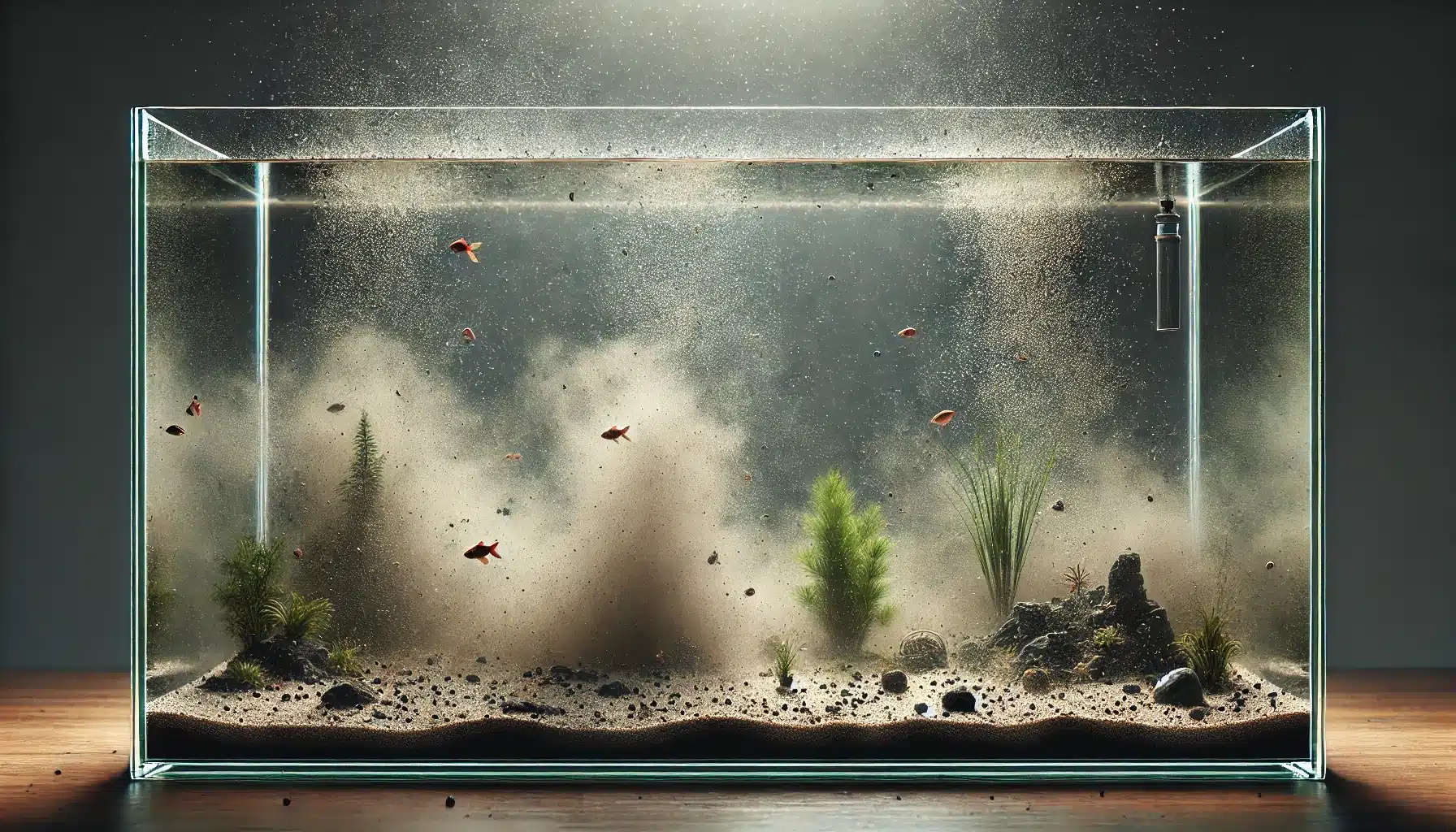
Let me guess: you’ve noticed that brownish, dusty coating spreading across your aquarium glass, decorations, and plants. Welcome to the club. That uninvited guest is brown algae, and while it looks terrible, the good news is it’s one of the easier aquarium problems to solve. We’re going to walk through exactly how to remove brown algae from your fish tank and, more importantly, how to keep it from coming back.
Here’s something that might surprise you: brown algae isn’t actually algae at all. It’s a type of organism called diatoms, which are microscopic single-celled creatures with silicate-based cell walls. Think of them as the uninvited roommate who shows up, makes a mess, and feeds off the resources you didn’t even know you had.
Diatoms thrive in new aquarium setups because fresh tap water often contains high levels of silicates and nitrates. They also love low-light conditions, which is why you’ll often see them carpeting shaded areas first. The brownish color comes from chlorophyll pigments mixed with other compounds, creating that characteristic dusty tan appearance that makes your beautiful aquarium look like it hasn’t been cleaned in months.
Why Is Your Tank Growing Brown Algae?
Before you start scrubbing everything in sight, let’s understand the root causes. Brown algae appears for specific reasons, and knowing these will help you prevent future outbreaks.
Your Tank Is New
If you’ve just set up your aquarium within the past few months, brown algae is practically a rite of passage. New tanks haven’t established their biological balance yet, and diatoms jump at this opportunity. The nitrogen cycle hasn’t fully matured, leaving excess nutrients floating around like an all-you-can-eat buffet for diatoms.
Most new tanks experience this phase, and it typically resolves itself as beneficial bacteria colonies establish themselves. Patience is genuinely a virtue here, though we’ll definitely speed things along.
Silicate Levels Are High
Tap water can contain anywhere from trace amounts to 20 mg/L of silicates, depending on your local water source. Diatoms build their cell walls from silica, so high silicate levels in your water are like giving them construction materials and a building permit. Some substrates, especially certain sands, can also leach silicates into the water column.
Lighting Issues
Brown algae absolutely loves dim, indirect light. If your aquarium receives insufficient lighting (typically less than 6 hours of proper aquarium lighting daily), or if you’re using old bulbs that have lost their intensity, you’re creating prime diatom real estate. Interestingly, while green algae thrives in bright light, brown algae actually struggles when lighting improves.
Poor Water Quality
Elevated nitrate and phosphate levels fuel diatom growth. These nutrients accumulate from overfeeding, inadequate filtration, or infrequent water changes. When was the last time you tested your water parameters? If you’re scratching your head trying to remember, that might be part of your problem.
How to Remove Brown Algae from Your Fish Tank
Now for the practical stuff. Removing existing brown algae requires a combination of mechanical removal and addressing the underlying conditions that allowed it to flourish.
The Immediate Clean-Up
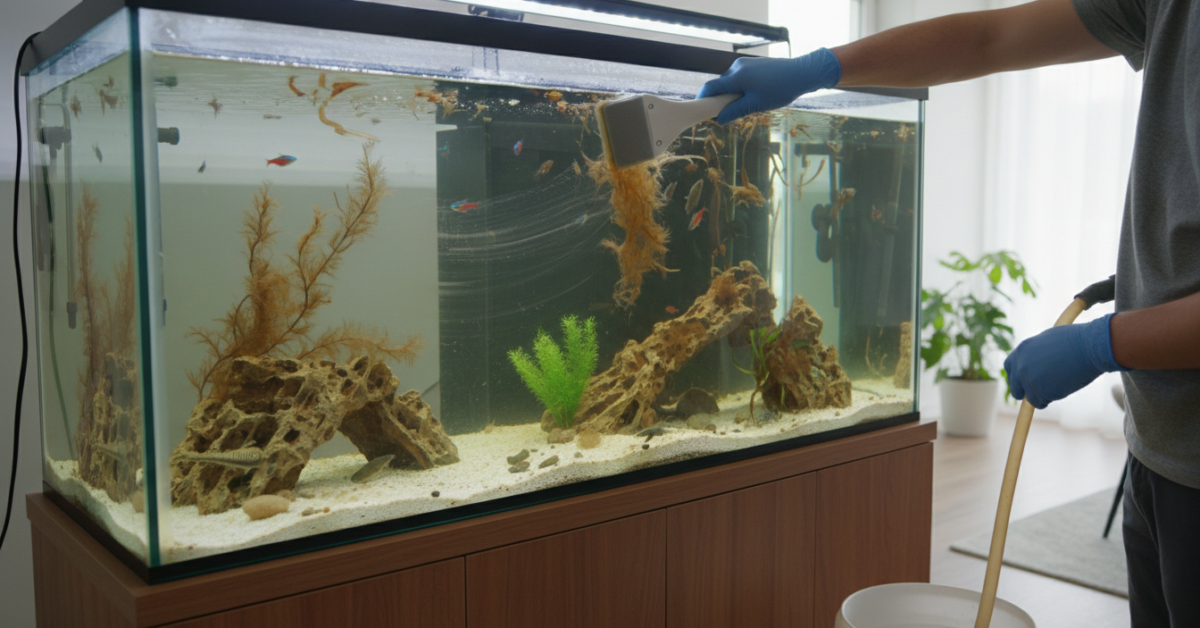
Step 1: Get yourself a good quality algae scraper or magnetic cleaner for the glass. Brown algae wipes off relatively easily compared to other types, which is one small mercy. Use firm, even strokes and watch that brown film disappear.
Step 2: For decorations and artificial plants, remove them from the tank and scrub them with a clean brush dedicated only to aquarium use. You can soak particularly stubborn items in a 10% bleach solution for 15 minutes, but rinse them thoroughly and let them air dry for 24 hours before returning them to your tank. If you’re nervous about bleach, hot water and elbow grease work fine too.
Step 3: Live plants present a gentler challenge. You can wipe broad leaves carefully with your fingers or use a soft toothbrush for more delicate foliage. Don’t go too aggressive here, you want to help the plants, not strip their protective layers.
Step 4: Clean or replace your filter media. Brown algae can colonize filter media, and old filter cartridges lose effectiveness over time. If you’re using mechanical filtration like sponges, rinse them in old tank water (never tap water, which kills beneficial bacteria).
Step 5: Perform a substantial water change of 30-50% of your tank volume. This immediately reduces silicate, nitrate, and phosphate levels while removing free-floating diatoms. Use a gravel vacuum to siphon debris from the substrate, especially in corners where detritus accumulates.
Deploy Your Secret Weapons
Here’s where we get smart about this. Several fish and invertebrates consider brown algae a delicacy, and they’ll happily do the work for you.
Otocinclus catfish are absolute champions at devouring diatoms, though they need a mature tank with established algae growth to survive. A school of six otos can keep a 75-litre (20-gallon) tank spotless.
Nerite snails are another fantastic option. These little algae-eating machines work tirelessly and won’t reproduce in freshwater, so you won’t end up with a snail population explosion. One snail per 19 litres (5 gallons) is a good starting ratio. I’ve watched a single nerite snail leave crystal-clear trails across glass that was completely brown the day before, it’s oddly satisfying.
Chinese Algae Eaters and certain plecostomus species (like bristlenose plecos) also consume diatoms, though they grow larger and have specific care requirements. Malaysian Trumpet Snails disturb the substrate as they burrow, which prevents diatom accumulation in the gravel.
Preventing Brown Algae from Returning
Removal is great, but prevention is better. Let’s make sure this is the last time you deal with a significant brown algae outbreak.
Control Your Silicate Levels
Test your tap water for silicates using an aquarium test kit. If levels exceed 2 mg/L, consider using reverse osmosis water or a silicate removal resin in your filter. These resins work like chemical sponges, binding silicates before diatoms can use them. Replace them according to manufacturer instructions, typically every 2-3 months.
Some aquarium substrates, particularly play sand or certain natural sands, can leach silicates. If you’re using sand substrate and battling persistent brown algae, this might be your culprit.
Optimize Your Lighting
Provide 8-10 hours of proper aquarium lighting daily. This seems counterintuitive when fighting algae, but adequate lighting actually favors green algae and live plants over brown algae. If you have live plants, they’ll outcompete diatoms for nutrients when properly lit.
Replace fluorescent bulbs every 12 months even if they still illuminate. Light spectrum and intensity degrade over time, creating conditions brown algae loves. LED lights maintain their spectrum much longer, often 3-5 years, making them a worthwhile investment.
Maintain Excellent Water Quality
Perform regular water changes of 20-30% weekly. This single habit prevents more aquarium problems than any other maintenance task. Keep nitrates below 20 mg/L and phosphates below 0.5 mg/L for freshwater tanks.
Feed your fish only what they’ll consume in 2-3 minutes. Overfeeding is the number one cause of elevated nutrients in home aquariums. That extra pinch of flakes seems harmless, but uneaten food decomposes into nitrates and phosphates, which is essentially diatom fertilizer.
Ensure Proper Filtration
Your filter should cycle the entire tank volume 4-5 times per hour. For a 75-litre (20-gallon) tank, that means 300-375 litres (80-100 gallons) per hour of flow rate. Undersized filters can’t process waste efficiently, leading to nutrient accumulation.
Consider adding live plants if you haven’t already. Fast-growing species like hornwort, water sprite, or Amazon sword actively consume nitrates and phosphates, starving diatoms of these essential nutrients. Plants and diatoms compete for the same resources, and robust plants almost always win.
When to Be Patient (and When to Act)
If your tank is less than three months old, some brown algae is completely normal. In fact, it’s often a sign your tank is progressing through its maturation stages. As your beneficial bacteria colonies establish themselves and consume excess nutrients, diatom populations typically crash on their own within 2-4 weeks.
However, if your tank is established (over six months old) and brown algae suddenly appears, this signals a change in water parameters. Test immediately for silicates, nitrates, and phosphates. Something has shifted, perhaps your municipal water treatment changed, you’re overfeeding, or your filter needs maintenance.
Common Mistakes to Avoid
Don’t completely clean everything at once. While it’s tempting to strip your tank down and scrub every surface, this disrupts your beneficial bacteria colonies and can crash your nitrogen cycle. Clean in stages over several days.
Avoid using algaecides for brown algae. These chemicals treat symptoms rather than causes and can harm your fish, invertebrates, and beneficial bacteria. They also don’t address the underlying water quality issues, so the brown algae just returns after treatment ends.
Don’t assume more light always helps. While adequate lighting prevents brown algae, excessive lighting (over 12 hours daily) can trigger green algae blooms instead. You’ll just be trading one problem for another.
Your Brown-Algae-Free Future
Removing brown algae from your fish tank isn’t complicated, but it does require understanding what caused it in the first place. The combination of physical removal, improved water quality, proper lighting, and some helpful tank mates will handle both existing growth and prevent future outbreaks. Most people find their brown algae problem resolves within 2-4 weeks once they address the underlying conditions.
Remember that a little brown algae in a new tank is normal and actually indicates your aquarium is developing its ecosystem. Don’t stress over every speck. Focus instead on establishing good maintenance habits: regular water changes, appropriate feeding, proper lighting schedules, and monitoring water parameters. These fundamentals create an environment where fish and plants thrive while brown algae struggles to get a foothold.
Your aquarium should be a source of relaxation and enjoyment, not stress. With these strategies in place, you can spend less time scraping and more time actually enjoying your underwater world.