Setting up your first aquarium is exciting, but one of the biggest questions that stops people in their tracks is: “How much is this actually going to cost me?” Whether you’re dreaming of a small goldfish bowl or a massive reef tank, understanding fish tank costs will help you budget properly and avoid any nasty surprises. Let’s break down everything you need to know about aquarium pricing so you can make an informed decision.
How Much Does a Fish Tank Cost? Your Complete Price Guide
Understanding Fish Tank Price Ranges
The cost of a fish tank varies dramatically depending on size, type, and whether you’re buying just the tank or a complete setup. A basic small tank can start from as little as £20-30 ($25-40), while elaborate custom aquariums can easily reach £10,000 ($13,000) or more. For most beginners, expect to spend between £100-500 ($130-650) to get properly started with a decent quality setup.
What many people don’t realize is that the tank itself typically represents only 20-30% of your total initial investment. The equipment, decorations, and livestock quickly add up, which is why it’s essential to consider the complete picture when budgeting for your new aquatic hobby.
Small Fish Tank Costs (Under 40 Litres/10 Gallons)
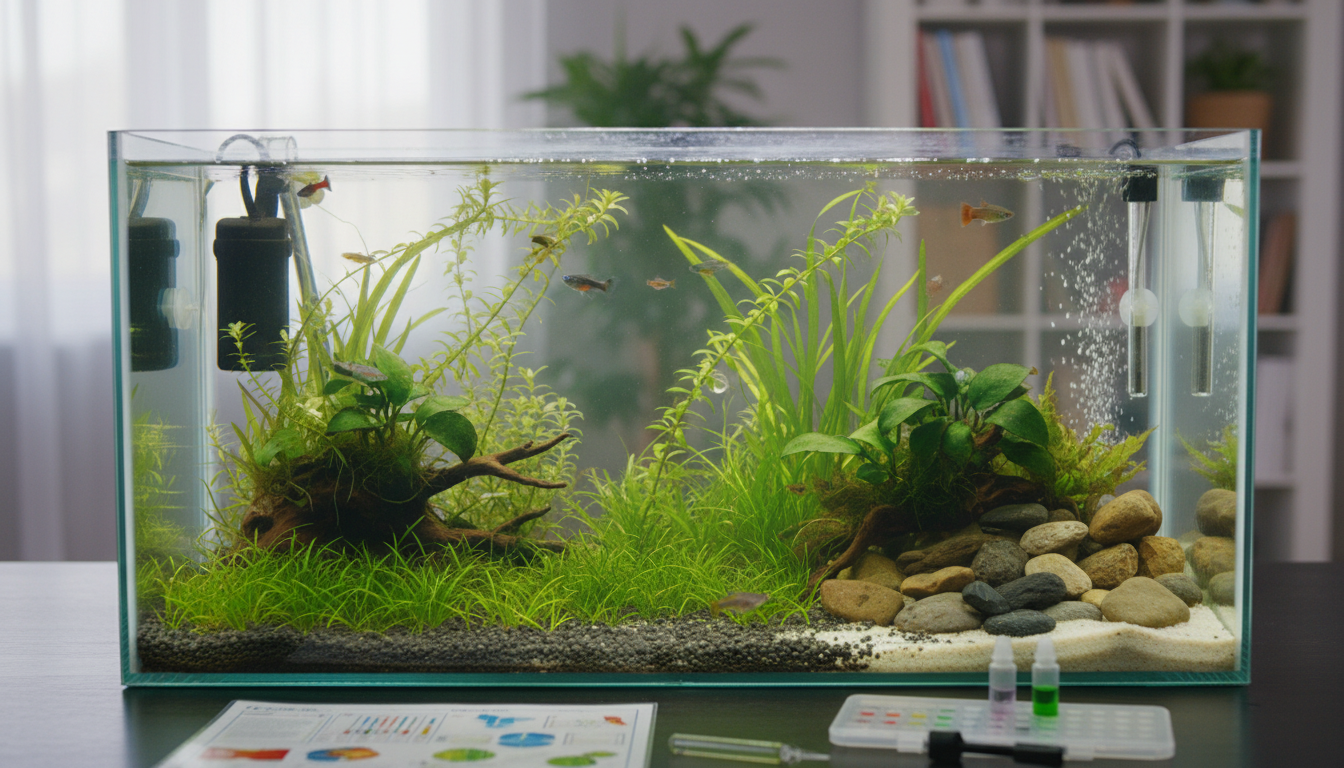
Small aquariums are perfect for beginners or those with limited space. A 20-litre (5-gallon) tank typically costs £30-60 ($40-80) for the tank alone, while complete starter kits range from £50-120 ($65-160). These kits usually include basic filtration, lighting, and sometimes a heater.
Here’s an interesting fact that surprises many newcomers: smaller tanks are actually harder to maintain than larger ones. The water chemistry fluctuates more rapidly in small volumes, making them less forgiving of beginner mistakes. This means you might need to invest in better quality equipment despite the smaller size.
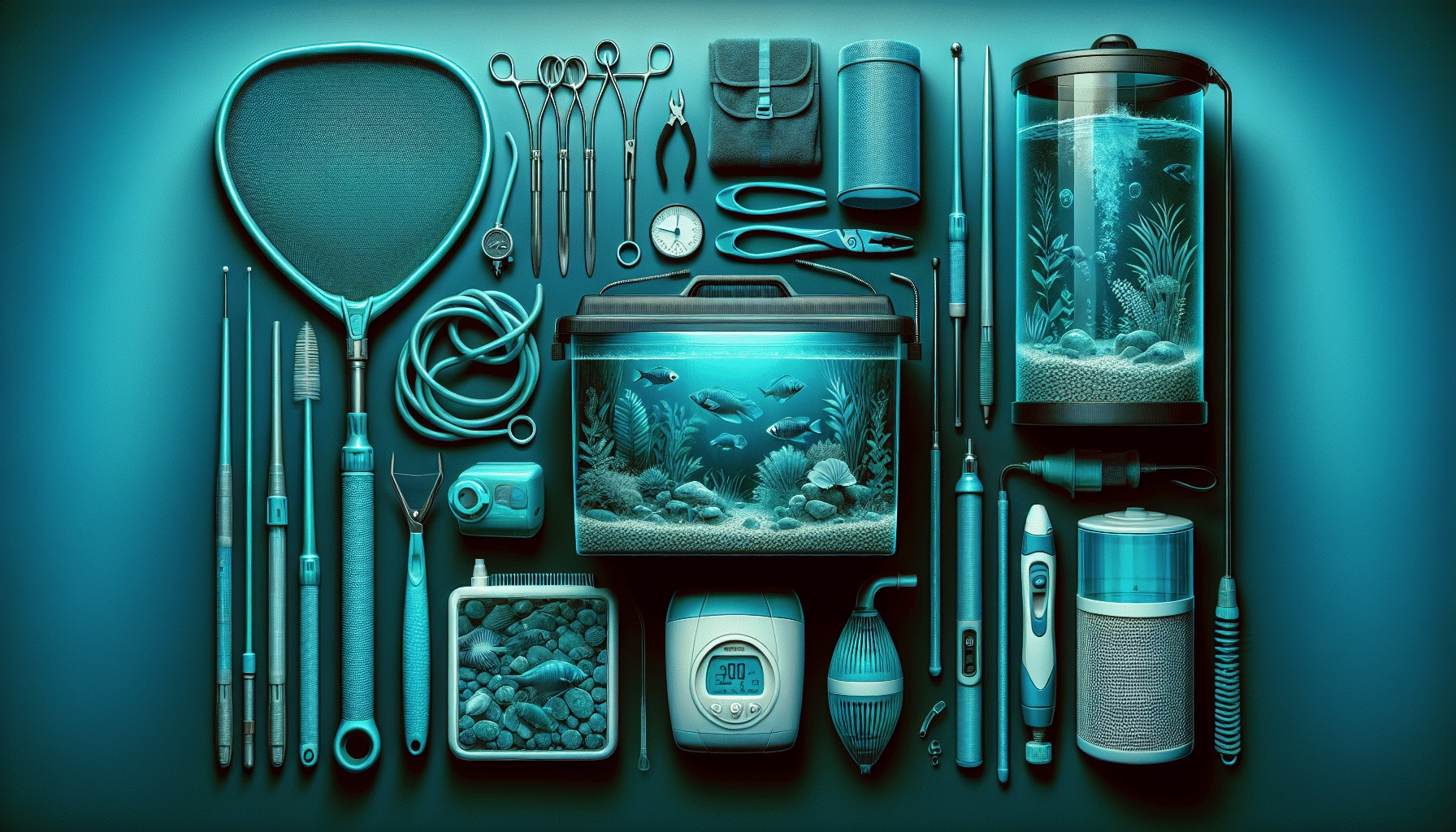
For a properly equipped small tank setup, budget for filtration systems (£15-40), heaters if keeping tropical fish (£10-25), basic lighting (£15-35), substrate (£5-15), decorations (£10-30), and water conditioning products (£5-15). Your fish will cost anywhere from £2-20 each depending on species.
Medium Fish Tank Costs (40-200 Litres/10-50 Gallons)
Medium sized aquariums hit the sweet spot for most hobbyists. A 100-litre (26-gallon) tank costs approximately £80-200 ($100-260) without equipment. Complete setups with cabinet stands, filtration, heating, and lighting typically range from £250-600 ($325-780).
At this size, you’ll need more robust equipment. Quality canister filters for medium tanks cost £60-150, LED lighting systems run £40-120, and reliable heaters capable of maintaining 24-26°C (75-79°F) cost £20-45. Don’t forget the stand, which can add another £80-200 to your total.
Something that catches many aquarium owners off guard is that electricity costs for running a medium sized fish tank average £3-8 per month, depending on whether you keep tropical or coldwater fish. Tropical setups requiring heaters naturally cost more to run, particularly during winter months.
Large Fish Tank Costs (200+ Litres/50+ Gallons)
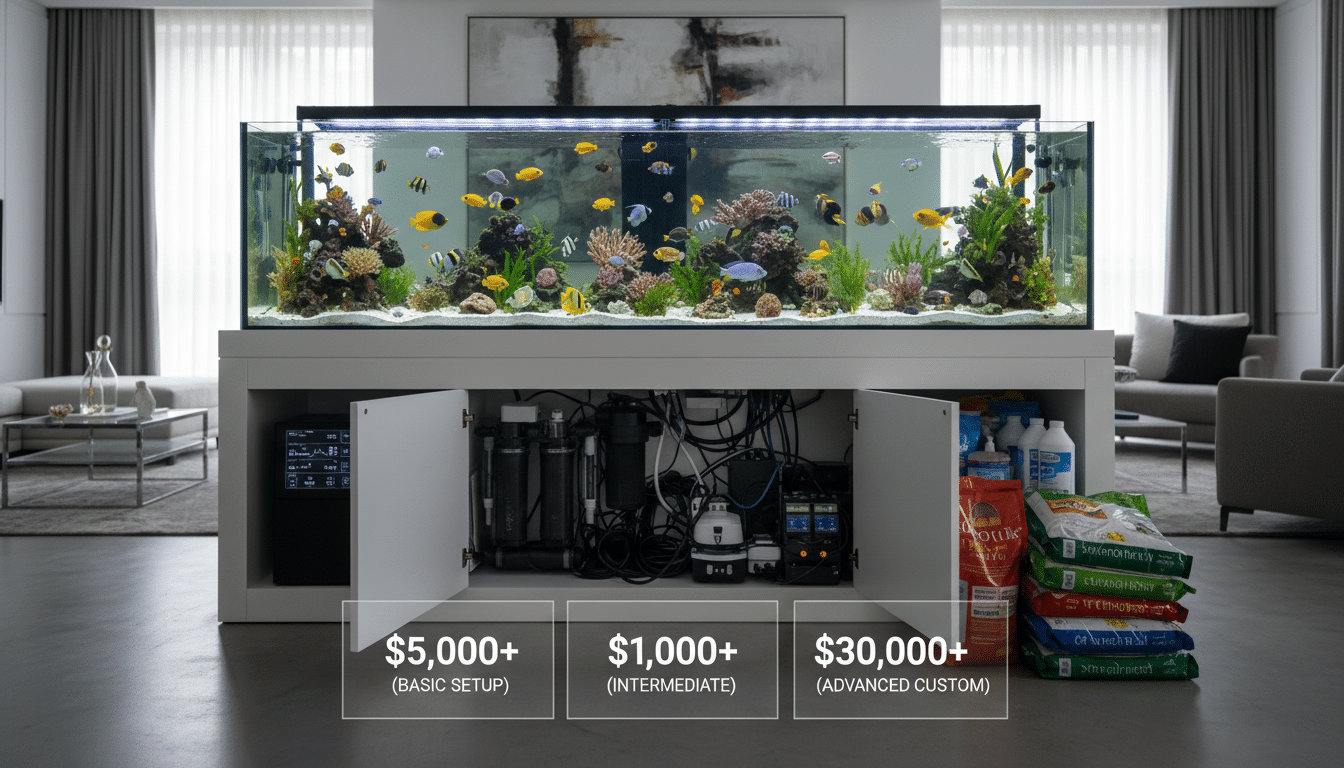
Large aquariums create stunning focal points but come with substantial price tags. A 300-litre (80-gallon) tank alone costs £200-500 ($260-650), while 500-litre (132-gallon) systems start around £400-900 ($520-1,170). Custom built tanks push these prices even higher.
The equipment requirements scale up significantly. You’ll need powerful filtration (£150-400), multiple heaters for consistent temperature distribution (£40-100 total), advanced lighting systems (£100-300), and a sturdy stand capable of supporting enormous weight. Remember, water weighs approximately 1kg per litre, so a 300-litre tank weighs 300kg (660 lbs) when filled, plus the weight of substrate, decorations, and the tank itself.
For large tanks, many experienced fish keepers recommend budgeting at least £1,000-2,500 ($1,300-3,250) for a complete quality setup including livestock and all necessary equipment.
Saltwater vs Freshwater Fish Tank Costs
Saltwater aquariums cost significantly more than freshwater setups. While a freshwater tank might cost £300-600 ($390-780) fully equipped, a comparable saltwater system typically runs £800-2,000 ($1,040-2,600) or more.
The price difference stems from more expensive equipment requirements. Saltwater tanks need protein skimmers (£80-400), powerheads for water circulation (£30-100), higher quality lighting especially for reef tanks (£150-600), and more sophisticated testing kits. Marine salt mix adds ongoing costs of approximately £15-30 per month depending on tank size and water change frequency.
Here’s a lesser known fact: marine fish are typically caught wild rather than bred in captivity, making them more expensive than most freshwater species. A single saltwater fish can cost £20-100, whereas freshwater community fish often cost £2-15 each.
Ongoing Fish Tank Costs to Consider
Initial setup costs are just the beginning. Monthly maintenance expenses include food (£5-20), water conditioners and treatments (£5-15), filter media replacements (£5-20), and electricity (£3-12). Testing kits for monitoring water parameters cost £10-30 and last several months.
Annual costs can add up to £200-500 ($260-650) for freshwater tanks and £400-1,000 ($520-1,300) for saltwater systems. Unexpected expenses like equipment failures, fish diseases, or algae problems can push these figures higher.
An often overlooked expense is vacation care. If you travel regularly, you’ll need automatic feeders (£15-50), someone to check on your tank, or boarding services which some aquarium shops offer for £5-15 per day.
How to Save Money on Your Fish Tank
Smart shopping can significantly reduce your aquarium costs without compromising quality. Consider buying second hand tanks through local classifieds, though always inspect thoroughly for leaks and scratches. Many hobbyists upgrade and sell complete setups at substantial discounts.
Starter kits often provide better value than buying components separately, though verify that included equipment is adequate quality. Cheap filters and heaters frequently fail, potentially harming your fish and costing more long term.
Purchase decorations creatively by using aquarium safe rocks collected outdoors (after proper cleaning and testing), or buy artificial plants from craft stores rather than pet shops at marked up prices. Just ensure anything you add is non toxic and won’t affect water chemistry.
Here’s a money saving tip many don’t know: joining local aquarium clubs can provide access to free or cheap plants, fish, and equipment from other members. Experienced hobbyists often have excess plants and fish offspring they’re happy to give away.
Is a Fish Tank Worth the Investment?
Despite the costs, keeping fish offers tremendous value. Studies show that watching fish reduces stress and lowers blood pressure, making your aquarium a daily source of relaxation and well being. The hobby teaches responsibility, provides educational opportunities, and creates a living artwork in your home.
When budgeting, prioritize quality equipment over quantity of fish or decorations. A well maintained smaller tank brings more enjoyment than a large struggling system. Start modest, learn the basics, and expand as your knowledge and budget allow.
Final Thoughts on Fish Tank Pricing
Understanding how much a fish tank costs helps you enter the hobby with realistic expectations. Whether you invest £100 or £1,000, success depends more on research, patience, and consistent care than money alone. Start with a size you can comfortably afford to maintain, choose appropriate fish for your experience level, and don’t rush the process.
Remember that the most expensive part of keeping fish isn’t the initial purchase but the ongoing commitment. Budget for both setup and maintenance costs, leave room for unexpected expenses, and invest in quality equipment that will last. Your fish depend on you for their entire environment, so cutting corners can prove costly in the long run.
With proper planning and realistic budgeting, an aquarium provides years of enjoyment and becomes a rewarding hobby that’s well worth the investment.