Diseases in Fish Tanks Humans Can Catch
If you’ve ever wondered about the health risks lurking in your beautiful aquarium, you’re not alone. Many fish keepers are unaware that their beloved tanks can harbour bacteria that pose serious health risks to humans. The disease most commonly associated with fish tanks is called fish tank granuloma, also known as aquarium granuloma or swimming pool granuloma.
Understanding Fish Tank Granuloma: The Main Culprit
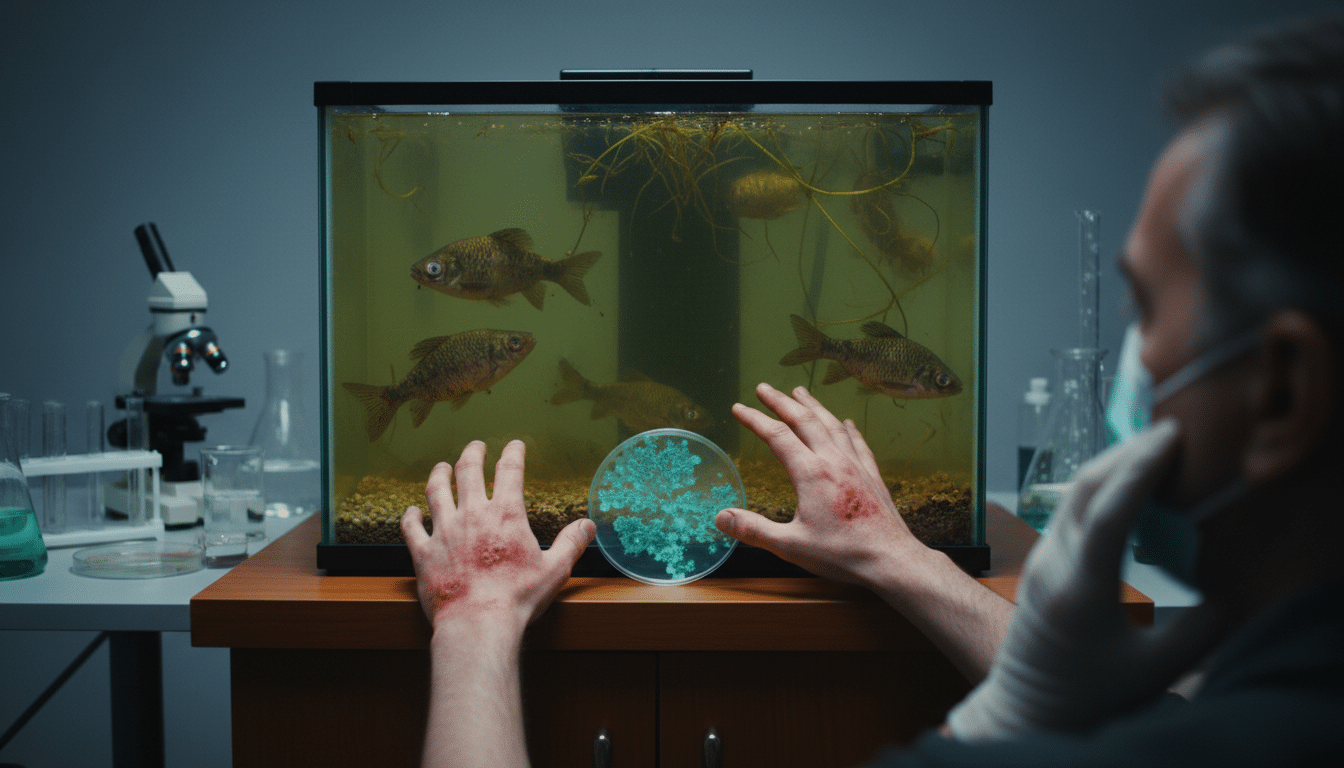
Fish tank granuloma is a skin infection caused by bacteria from the Mycobacterium marinum species. These bacteria naturally live in freshwater and saltwater environments, including home aquariums. When you put your hands in the tank, especially if you have cuts, scrapes, or any breaks in your skin, these bacteria can enter your body and cause infection.
The condition typically appears as red, raised bumps or nodules on your hands, fingers, or arms. These lesions usually develop slowly over several weeks after exposure, which is why many people don’t immediately connect their symptoms to their fish tank maintenance routine.
How Do You Catch Mycobacterium Marinum?
The infection pathway is simpler than you might think. When you’re cleaning your aquarium, rearranging decorations, or handling fish, you’re exposing yourself to water containing these bacteria. Here’s what typically happens:
Direct contact with contaminated water is the primary transmission route. If you have even tiny cuts or abrasions on your hands, the bacteria can enter through these openings. Interestingly, Mycobacterium marinum thrives at temperatures between 25-32°C (77-90°F), which is exactly the range most tropical fish tanks maintain, making aquariums perfect breeding grounds for these organisms.
Injuries from tank equipment or decorations create entry points. Sharp rocks, coral, or even fish spines can create the perfect gateway for infection. One lesser-known fact is that handling infected fish directly, even without visible water contact, can transmit the bacteria, as sick fish often carry higher bacterial loads on their scales and slime coat.
Recognizing the Symptoms of Fish Tank Disease
The symptoms of fish tank granuloma develop gradually, which makes early detection challenging. Initially, you might notice a small red bump that looks similar to an insect bite. This typically appears within two to four weeks after exposure, though it can sometimes take up to several months.
As the infection progresses, the bumps may become larger and develop into open sores. The nodules often appear in a linear pattern following your lymphatic vessels, spreading up your arm. This pattern, called sporotrichoid spread, is a distinctive characteristic that helps doctors diagnose the condition.
What many people don’t realize is that these infections can be surprisingly stubborn. Without proper treatment, the lesions can persist for months or even years. Some patients report mild pain or tenderness, while others experience significant discomfort, particularly if the infection spreads deeper into the tissue.
Other Health Risks from Your Aquarium
Salmonella and Other Bacterial Infections
Beyond fish tank granuloma, aquariums can harbour Salmonella bacteria. Reptile tanks pose a higher risk, but fish tanks aren’t immune. The bacteria typically spread through contact with contaminated water or equipment, then touching your mouth or food before washing your hands.
Aeromonas Infections
Another lesser-known risk comes from Aeromonas bacteria, which naturally exist in aquatic environments. These can cause skin infections, particularly in people with compromised immune systems. A fascinating fact about Aeromonas is that it can produce toxins even in clean, well-maintained aquariums, making prevention through hygiene more important than perfect water parameters alone.
Allergic Reactions and Respiratory Issues
Some aquarium keepers develop allergic reactions to fish food, particularly freeze-dried products. The proteins in these foods can become airborne and trigger respiratory symptoms, ranging from mild sneezing to more severe asthma-like reactions.
Who’s Most at Risk?
While anyone can develop fish tank disease, certain groups face higher risks. People with weakened immune systems, including those with HIV/AIDS, diabetes, cancer, or those taking immunosuppressive medications, are particularly vulnerable. The infection can be more severe and harder to treat in these individuals.
Professional aquarium maintenance workers and tropical fish shop employees face increased exposure simply due to the frequency of contact with multiple tanks. An interesting statistic shows that approximately 50% of all fish handlers in commercial settings test positive for antibodies to Mycobacterium marinum, suggesting previous exposure, though most never develop clinical symptoms.
People with existing skin conditions like eczema or psoriasis also face elevated risks, as their compromised skin barrier makes bacterial entry easier.
Protecting Yourself: Prevention Strategies
Wear protective gloves whenever you put your hands in the aquarium. Waterproof gloves that extend past your wrists provide the best protection. Even if you think your skin is intact, microscopic breaks you can’t see may exist.
Cover any cuts or wounds with waterproof bandages before aquarium maintenance. If you have significant injuries, avoid tank work entirely until they heal. A particularly important but often overlooked tip is to wait at least 24 hours after shaving your arms before doing tank maintenance, as shaving creates micro-abrasions that serve as entry points for bacteria.
Wash your hands thoroughly after any contact with your aquarium, its water, or equipment. Use warm water and soap, scrubbing for at least 20 seconds. This simple step dramatically reduces infection risk.
Maintain good tank hygiene. While you can’t eliminate Mycobacterium marinum from your aquarium entirely, keeping water quality high and removing dead fish promptly reduces bacterial loads. Regular water changes and proper filtration help maintain a healthier environment.
Never siphon aquarium water by mouth. Always use proper siphon equipment with pumps. This outdated practice poses serious infection risks, not just from Mycobacterium but from numerous other pathogens.
Treatment and When to See a Doctor
If you develop persistent skin lesions after aquarium maintenance, seek medical attention. Fish tank granuloma requires specific antibiotic treatment, typically lasting three to four months. The bacteria are resistant to many common antibiotics, so proper diagnosis is crucial.
Doctors often prescribe a combination of antibiotics, commonly including clarithromycin or doxycycline. One lesser-known challenge with treatment is that Mycobacterium marinum forms biofilms in tissue, making it particularly resistant to antibiotics and requiring extended treatment courses.
Don’t attempt to self-diagnose or self-treat. The infection can spread deeper into tissues, potentially affecting tendons, joints, or bones if left untreated. Early intervention leads to better outcomes and shorter treatment periods.
The Bottom Line on Fish Tank Safety
Fish keeping is a rewarding hobby that connects millions of people with aquatic life. Understanding the disease risks associated with fish tanks doesn’t mean you should abandon your aquarium; it means you can enjoy it safely. Fish tank granuloma, caused by Mycobacterium marinum, represents the primary disease concern, but simple preventive measures dramatically reduce your risk.
By wearing gloves, maintaining good hygiene practices, and staying aware of symptoms, you can protect yourself while enjoying your underwater ecosystem. Remember that awareness and prevention are your best defences. If symptoms do develop, prompt medical attention ensures quick resolution and prevents complications.
Your aquarium should bring joy, not illness. With proper precautions, you can safely maintain your tank and minimize health risks, keeping both you and your fish healthy and thriving.
Meta Description: What is the disease in the fish tank for humans? Learn about fish tank granuloma, its symptoms, prevention, and how to protect yourself from aquarium bacteria.