What Is Fin Rot Disease?
If you’ve noticed your fish’s fins looking ragged, discolored, or slowly deteriorating, you’re likely dealing with fin rot, one of the most common bacterial infections in aquarium fish. This treatable condition affects both freshwater and saltwater species, but catching it early makes all the difference. Let’s dive into everything you need to know about identifying, treating, and preventing this frustrating disease.
Fin rot is a bacterial infection that progressively destroys the delicate tissue of a fish’s fins and tail. Caused primarily by bacteria such as Pseudomonas, Aeromonas, and Vibrio, this disease typically strikes when fish are stressed or living in poor water conditions. What starts as a minor issue can quickly escalate, potentially reaching the body tissue if left untreated.
The infection works by breaking down the membrane between the fin rays, causing the fins to appear frayed or melted. In severe cases, the bacterial infection can penetrate deeper into the body, leading to systemic illness that’s much harder to treat. Understanding how to spot the early warning signs is crucial for successful treatment.
Recognizing the Symptoms of Fin Rot
Early detection significantly improves treatment outcomes. Watch for these telltale signs that your fish might be developing fin rot:
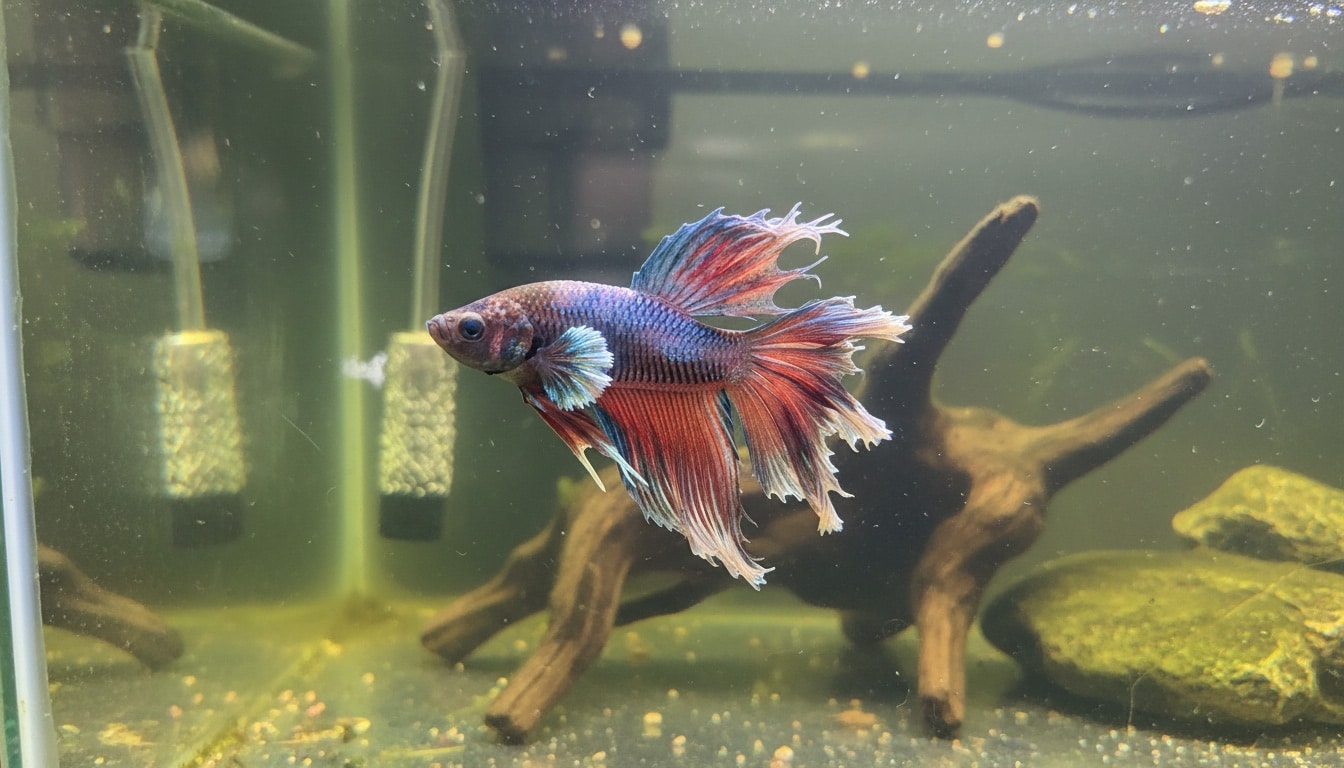
The edges of the fins appear white, brown, or black, creating a distinct border between healthy and infected tissue. The fins may look like they’re melting away or have chunks missing from the edges. You might notice a milky or opaque appearance developing along the fin margins. As the disease progresses, the fins become increasingly ragged and shorter, with red streaks or inflammation appearing at the base.
One lesser-known fact is that fin rot can present differently depending on the species. Betta fish often show black or red edges on their elaborate fins, while goldfish typically display white or grey deterioration. Recognizing these species-specific variations helps you identify the problem faster.
Advanced Stage Warning Signs
When fin rot reaches advanced stages, you’ll observe more severe symptoms. The infection may expose the fin rays themselves, looking like bare spines. The base of the fins becomes inflamed and bloodshot. Fish often become lethargic, lose their appetite, and may clamp their fins close to their body. At this point, immediate intervention is necessary to prevent the infection from becoming fatal.
What Causes Fin Rot in Fish?
Understanding the root causes helps prevent future outbreaks. Fin rot rarely appears in healthy fish living in optimal conditions. Instead, it’s typically triggered by environmental stressors that weaken the fish’s immune system.
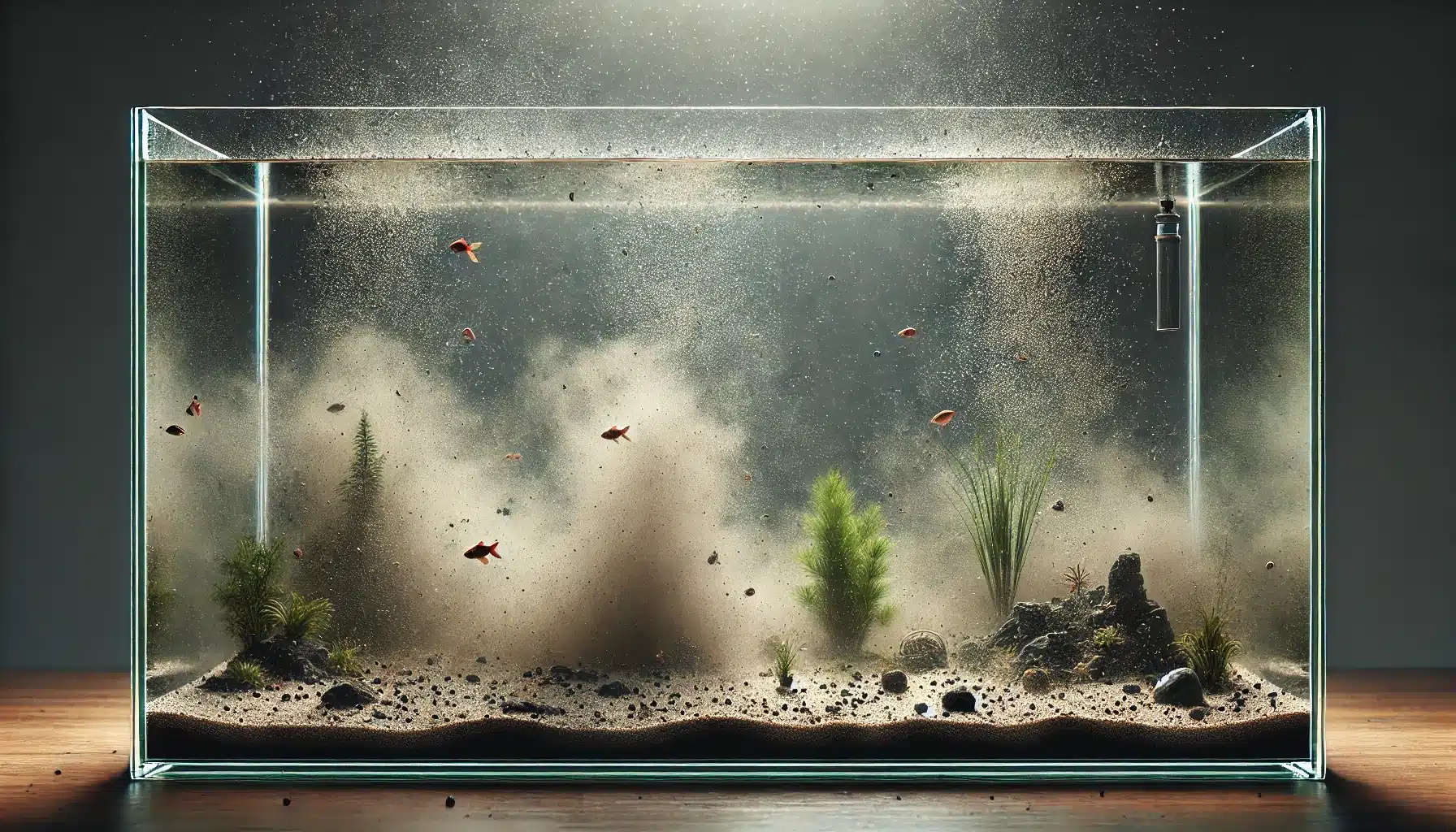
Poor water quality ranks as the number one cause of fin rot. High levels of ammonia, nitrites, or nitrates create a toxic environment where harmful bacteria thrive. Temperature fluctuations stress fish and make them vulnerable to infection. Overcrowding leads to increased waste production and aggression, both risk factors for developing fin rot.
Here’s an interesting fact that many aquarists don’t know: fin rot bacteria are actually present in almost all aquariums. They only become problematic when fish are stressed or injured, allowing the opportunistic bacteria to take hold. This is why maintaining excellent water parameters is your best defense against the disease.
How to Treat Fin Rot: A Step-by-Step Guide
Treating fin rot requires a methodical approach. The severity of the infection determines the treatment intensity needed.
Immediate Water Quality Improvements
Start by performing a 25-50% water change to reduce bacterial load and remove toxins. Test your water parameters thoroughly, checking ammonia, nitrite, nitrate, pH, and temperature. Ammonia and nitrite should read zero, while nitrates should stay below 20 ppm for most species. Maintain stable temperatures appropriate for your fish species, typically between 24-26°C (75-79°F) for tropical fish.
Increase water changes to twice weekly during treatment, replacing 25-30% each time. Remove any decaying plant matter, uneaten food, or debris that could harbour bacteria. Clean your filter media gently in old tank water to maintain beneficial bacteria while removing excess waste.
Mild to Moderate Fin Rot Treatment
For early-stage infections, aquarium salt can be highly effective. Add 1 tablespoon per 19 litres (5 gallons) of water, dissolving it completely before adding to the tank. Keep in mind that salt tolerance varies by species, with some fish like corydoras catfish and many tetras being sensitive to salt. Always research your specific fish before using salt treatments.
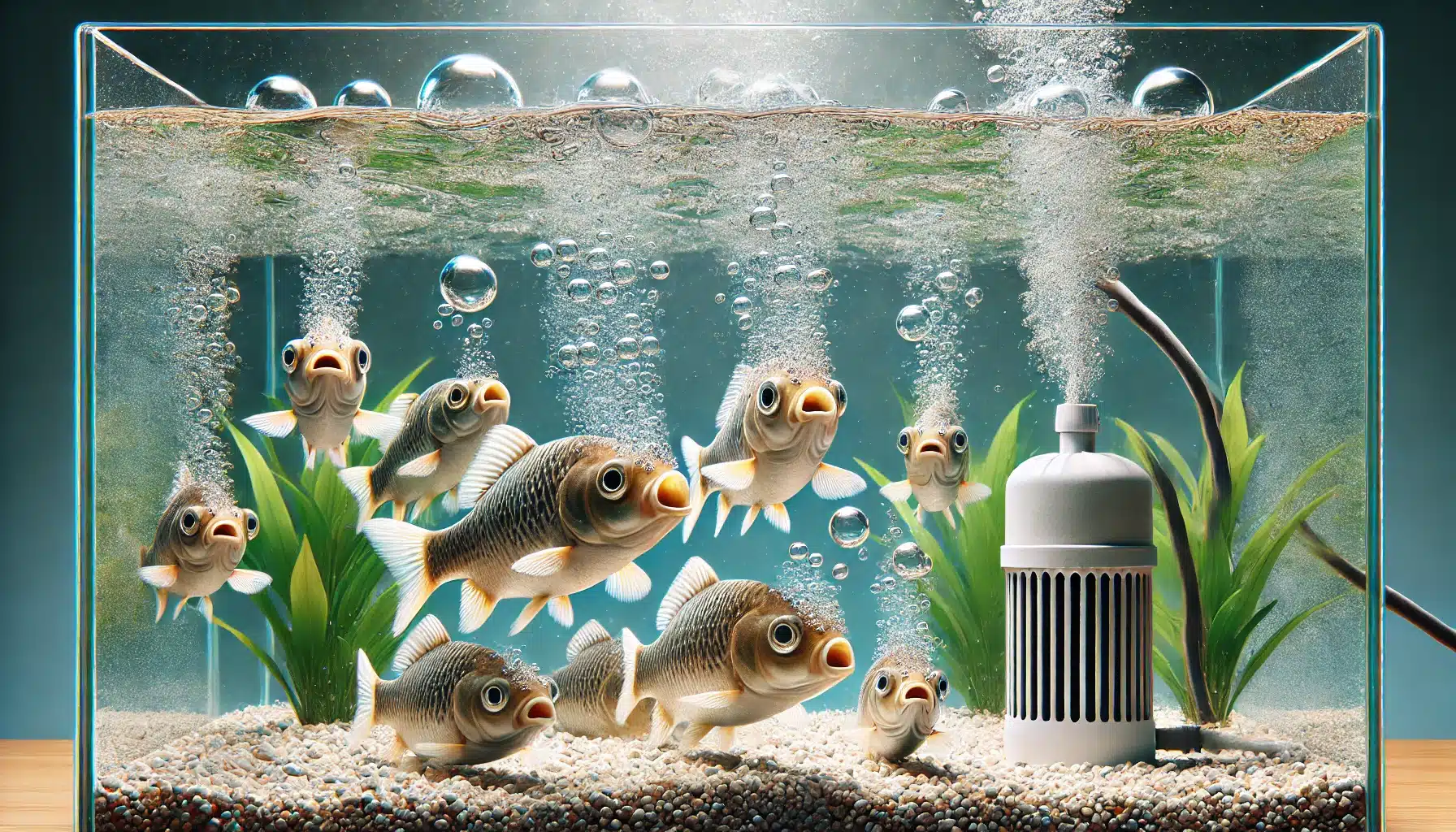
Improve water oxygenation by adding an air stone or adjusting your filter output. Better oxygen levels support immune function and inhibit anaerobic bacterial growth. Remove any sharp decorations that might cause further fin damage.
Severe Fin Rot Medication
Advanced cases require antibiotic treatment. Medications containing kanamycin, erythromycin, or tetracycline are effective against the bacteria causing fin rot. Follow dosage instructions precisely, as overdosing can harm beneficial bacteria in your filter.
Many aquarists don’t realize that combining antibiotics with aquarium salt often improves treatment success rates, as they work through different mechanisms. However, always check medication compatibility before combining treatments.
Quarantine tanks prove invaluable for treating severe infections. Move affected fish to a hospital tank containing 38 litres (10 gallons) minimum, with gentle filtration and heating. This prevents medication from disrupting your main tank’s biological balance and protects healthy fish from infection.
Natural and Alternative Treatment Options
Some aquarists prefer natural approaches, particularly for mild cases. Indian almond leaves release beneficial tannins that have mild antibacterial properties and create the slightly acidic conditions many tropical fish prefer. Add 1-2 leaves per 38 litres (10 gallons), replacing them weekly.
Tea tree oil products designed for aquarium use can provide gentle antibacterial action. However, proper dosing is critical with essential oils, as overdosing can be toxic to fish. Always choose products specifically formulated for aquarium use rather than human-grade oils.
Enhanced nutrition supports immune function during recovery. Offer high-quality foods rich in vitamins A, C, and E. Surprisingly, vitamin C specifically plays a crucial role in fin regeneration, helping fish rebuild damaged tissue faster once the infection is controlled.
Preventing Fin Rot: Long-Term Tank Management
Prevention beats treatment every time. Establishing proper maintenance routines keeps your fish healthy and fin rot at bay.
Maintain consistent weekly water changes of 20-25%, adjusting frequency based on bioload. Test water parameters weekly, keeping detailed records to spot trends before they become problems. Avoid overfeeding, offering only what fish can consume in 2-3 minutes once or twice daily. Provide adequate filtration rated for at least your tank size, ideally slightly oversized for heavily stocked tanks.
Choose tank mates carefully to minimize aggression and fin nipping. Bettas, angelfish, and fancy goldfish with flowing fins are particularly vulnerable to aggressive tank mates that damage fins, creating entry points for bacteria. Ensure proper stocking levels, following the guideline of 1 inch of adult fish per 4 litres (1 gallon) for small species, though larger fish require more consideration.
Quarantine new fish for 2-4 weeks before adding them to your main tank. This practice prevents introducing diseases and gives you time to observe for health issues. Many experienced aquarists swear by this step, noting that most disease outbreaks trace back to skipping proper quarantine procedures.
Recovery and Fin Regrowth
Once treatment begins, improvement typically appears within 3-7 days. The deterioration should stop, with no further tissue loss visible. New fin growth appears as a clear or slightly milky membrane at the edges, gradually developing color and structure over several weeks.
Complete fin regeneration takes anywhere from 4-12 weeks depending on the severity of damage and the species involved. Younger fish generally regenerate fins faster than older specimens. Continue optimal water conditions throughout the recovery period to support healing.
Don’t discontinue treatment prematurely, even when fins appear to stop deteriorating. Complete the full medication course as directed to prevent antibiotic-resistant bacteria from developing. This patience pays off with complete recovery rather than recurring infections.
Conclusion
Fin rot remains one of the most manageable fish diseases when caught early and treated properly. By maintaining excellent water quality, monitoring your fish regularly, and acting quickly at the first signs of infection, you can successfully treat fin rot and prevent future outbreaks. Remember that healthy fish in clean water rarely develop this condition, making prevention through proper aquarium maintenance your most powerful tool. Stay vigilant and keep those water parameters stable.