Dropsy Fish Disease: Symptoms, Treatment & Prevention
Watching your beloved fish struggle with a swollen belly can be heartbreaking. Dropsy is one of the most concerning conditions aquarium owners face, and understanding it quickly can make the difference between life and death for your aquatic pets. This comprehensive guide will walk you through everything you need to know about dropsy in fish, from identifying the symptoms to treatment options and prevention strategies.
What Is Dropsy in Fish?
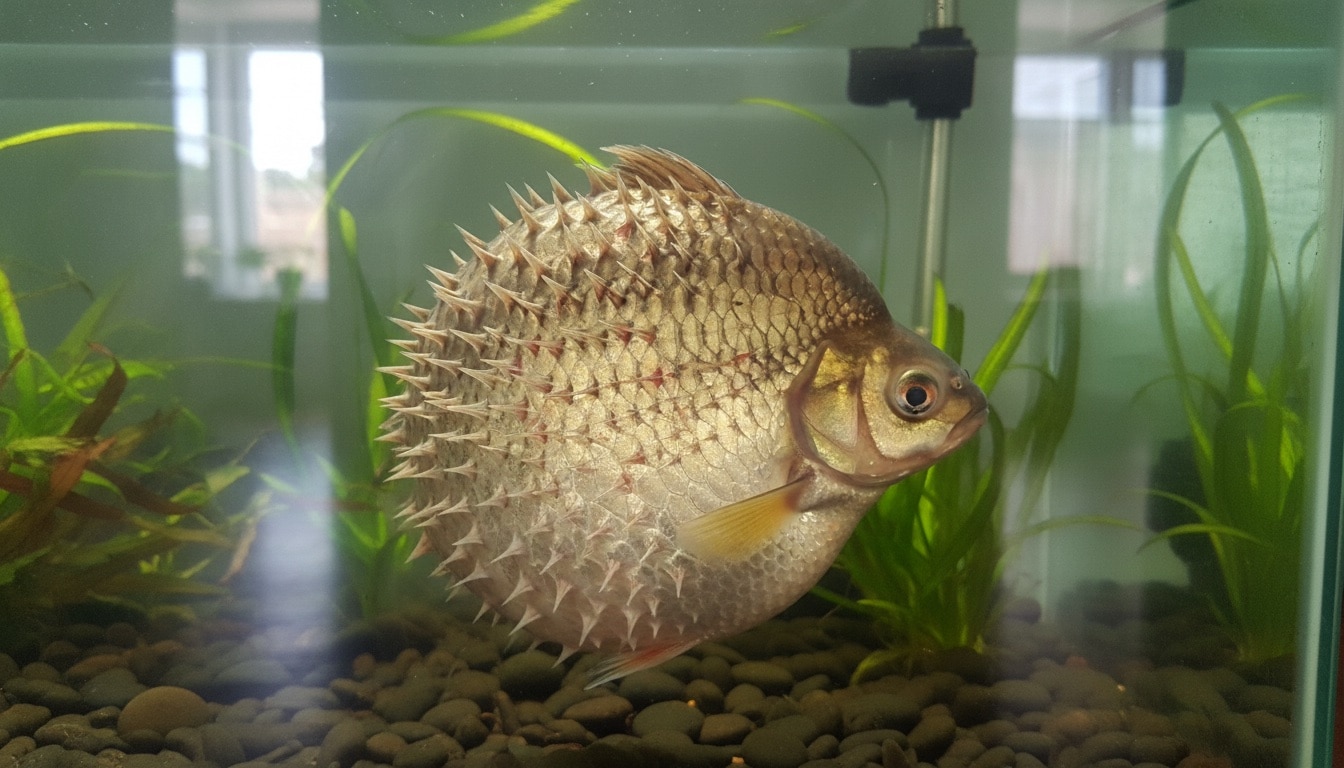
Dropsy isn’t actually a disease itself but rather a symptom of an underlying problem. The term describes severe fluid retention that causes fish to swell up like a pinecone. When you notice your fish looking bloated with scales protruding outward, you’re witnessing the classic signs of dropsy.
The condition occurs when internal organs, particularly the kidneys, fail to regulate fluid properly. This causes fluid to accumulate in the body cavity and under the scales. What makes dropsy particularly challenging is that by the time symptoms become visible, the underlying issue has usually progressed significantly.
The Bacterial Connection
Most cases of dropsy in aquarium fish are caused by bacterial infections, particularly from Aeromonas bacteria. These bacteria are actually present in most aquariums all the time, but healthy fish with strong immune systems can fight them off without any problems. Interestingly, the Aeromonas bacteria responsible for dropsy are gram-negative bacteria that exist naturally in aquatic environments worldwide, meaning your fish are constantly exposed to them regardless of how clean you keep your tank.
Recognizing Dropsy Symptoms in Your Fish
Early detection significantly improves treatment success rates. The telltale signs of fish dropsy include a severely swollen abdomen that makes your fish appear bloated or rounded. The most distinctive symptom is raised scales that stick out from the body, creating that characteristic pinecone appearance when viewed from above.
Additional symptoms to watch for include protruding eyes (exophthalmia), curved spine, pale or discolored gills, loss of appetite, lethargy and spending time at the bottom of the tank, red or swollen anus, and long, pale, stringy feces.
A lesser-known fact about dropsy symptoms is that fish often exhibit behavioral changes days before physical symptoms appear. They may become unusually shy, refuse their favorite foods, or swim with clamped fins. Catching these early warning signs can be crucial for successful intervention.
What Causes Dropsy in Aquarium Fish?
Understanding the root causes helps you prevent this condition in the first place. While bacterial infection is the immediate cause, several factors create the conditions for dropsy to develop.
Poor Water Quality
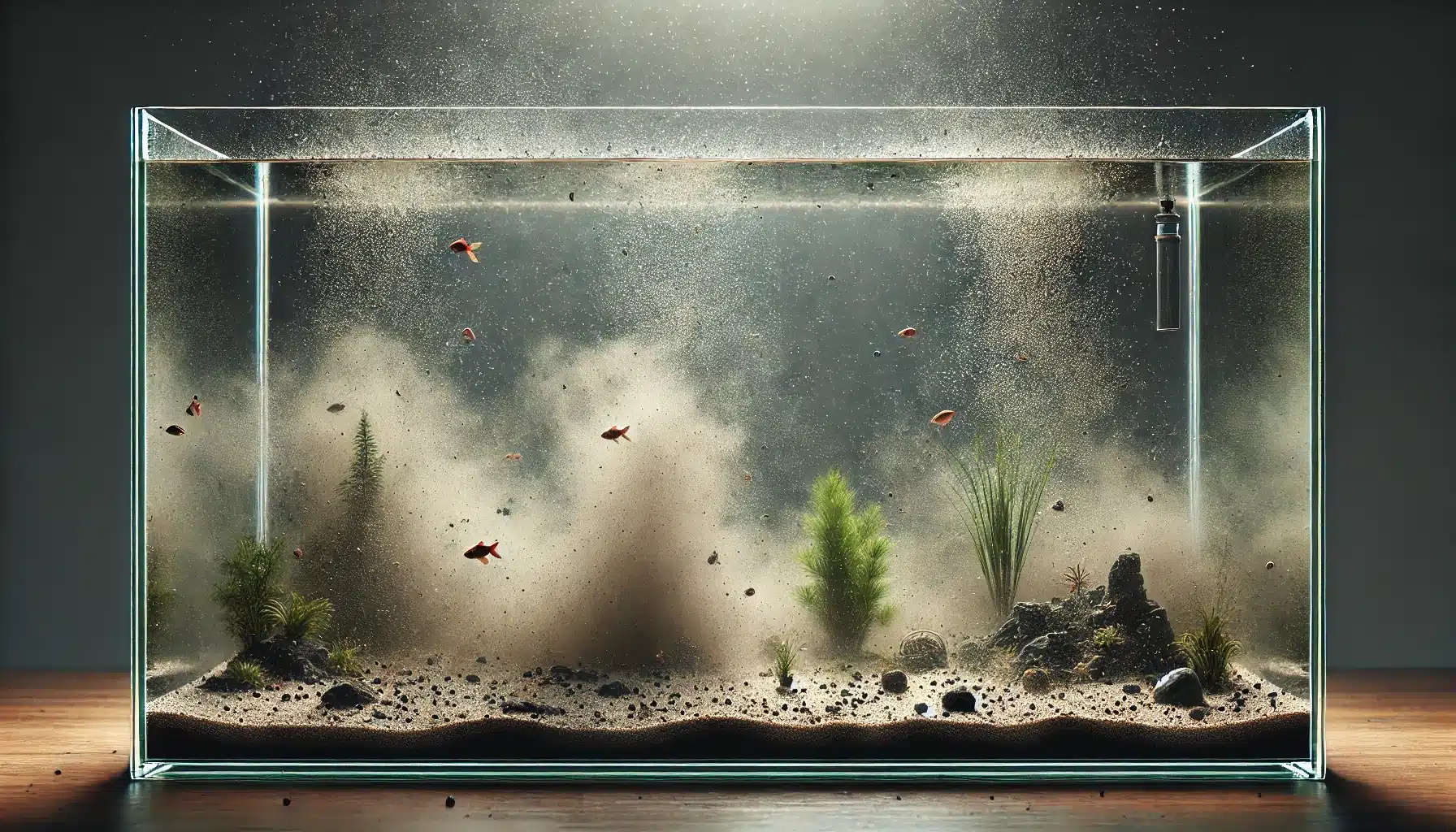
This is the number one contributing factor to dropsy in fish. High levels of ammonia, nitrites, or nitrates stress fish and weaken their immune systems. When fish are stressed, they become vulnerable to the bacteria that cause dropsy symptoms.
Stress and Weakened Immunity
Overcrowding, aggressive tank mates, sudden water parameter changes, poor diet lacking essential vitamins, and inadequate tank conditions all compromise your fish’s natural defenses. What many aquarists don’t realize is that chronic low-level stress over weeks or months is often more damaging than a single stressful event, making fish gradually more susceptible to infections like dropsy.
Internal Organ Damage
Sometimes dropsy results from internal organ failure caused by old age, genetic factors, tumors or cysts, or previous infections. This explains why elderly fish are more prone to developing dropsy even in well-maintained aquariums.
Is Dropsy Contagious?
This is one of the most common questions fish owners ask. The answer is nuanced: while the bacteria causing dropsy can potentially spread to other fish, the condition itself typically only develops in fish with compromised immune systems.
If one fish has dropsy, it’s a warning sign that something in your tank environment is wrong. Other fish exposed to the same conditions might also be at risk. However, healthy fish with strong immune systems usually resist infection even when exposed to the bacteria.
Despite this, isolating the affected fish is still recommended to reduce bacterial load in the main tank and allow focused treatment.
How to Treat Dropsy in Fish
Treatment success depends heavily on how early you catch the condition. Here’s a step-by-step approach to treating fish with dropsy.
Immediate Quarantine
Set up a hospital tank with clean, dechlorinated water matching your main tank’s temperature and pH. Transfer the affected fish gently using a container rather than a net, as their fragile scales can be easily damaged. For moments like this, I keep a spare sponge filter running in the back of my tank (like the sponge filters discussed here). So, when I need to set up a quarantine tank, I have a cycled filter ready to go. Pop it into a new tank, or even a clean bucket, with some of the water from your main tank and voila, an instant cycled tank.
Salt Bath Treatment
Add aquarium salt (not table salt) to the hospital tank at a concentration of 1 teaspoon per 3.8 litres (1 gallon) of water. (Note: check that you do not have a salt-sensitive species before you do this.) Salt helps reduce fluid retention and supports kidney function. Salt treatment for dropsy is that while freshwater fish naturally lose salts and absorb water through osmosis, adding aquarium salt actually reverses this process temporarily, helping to draw excess fluid out of the swollen tissues.
Antibiotic Treatment
Bacterial infections require antibiotics. Effective medications for treating dropsy include products containing kanamycin sulfate, products with maracyn-two (minocycline), medications containing API Furan-2, or antibiotics with oxytetracycline.
Follow the medication instructions precisely. Most treatments require 5 to 10 days of consistent dosing. Perform small water changes every few days during treatment, then re-dose the medication.
Supportive Care
Maintain pristine water quality with zero ammonia and nitrites. Keep the temperature stable between 24 to 26°C (75 to 79°F) for most tropical fish. Reduce lighting to minimize stress. Offer high-quality, easily digestible foods if the fish shows interest, though many won’t eat during treatment.
Epsom Salt vs Aquarium Salt
Many experienced fish owners use Epsom salt (magnesium sulfate) instead of or in addition to aquarium salt for dropsy treatment. Epsom salt is particularly effective as a muscle relaxant and laxative, helping fish expel fluids. Use 1 tablespoon per 19 litres (5 gallons) of water. What’s particularly interesting is that Epsom salt and aquarium salt work through different mechanisms, which is why some treatment protocols use both simultaneously for maximum effectiveness.
Prognosis: Can Fish Recover from Dropsy?
Honesty is important here. Dropsy has a poor survival rate, especially in advanced cases. Once the pinecone scaling appears, the condition has usually progressed significantly, and internal organ damage may be irreversible.
However, fish caught in the very early stages, showing only mild swelling without scale protrusion, have a better chance of recovery with aggressive treatment. Success rates improve dramatically when treatment begins within 24 to 48 hours of noticing symptoms.
Even with perfect treatment, some fish simply won’t recover. If your fish shows no improvement after 10 days of treatment, or if the condition worsens, humane euthanasia may be the kindest option.
Preventing Dropsy in Your Aquarium
Prevention is infinitely easier than treatment when it comes to dropsy disease in fish. These strategies will help keep your fish healthy and resistant to infections.
Maintain Excellent Water Quality
Test your water parameters weekly using a reliable test kit. Keep ammonia and nitrite at 0 ppm, and nitrates below 20 ppm. Perform regular water changes of 25 to 30 percent weekly, adjusting the temperature to match your tank before adding new water. Don’t overstock your aquarium, as this leads to rapid water quality deterioration.
Provide Proper Nutrition
Feed a varied diet including high-quality flakes or pellets, frozen or live foods occasionally, and vegetable matter for herbivorous species. Avoid overfeeding, which pollutes water and stresses fish digestive systems. Remove uneaten food within 5 minutes of feeding.
Minimize Stress
Ensure adequate hiding spots and territory for all fish. Keep compatible species together and avoid aggressive tank mates. Maintain stable temperatures without sudden fluctuations. Provide appropriate lighting with regular day and night cycles.
Quarantine New Fish
One of the most overlooked prevention strategies is quarantining all new arrivals for 2 to 4 weeks before introducing them to your main tank. This period allows you to observe for any diseases and ensures new fish aren’t carrying infections. Remarkably, studies of commercial aquaculture have shown that proper quarantine protocols can reduce disease outbreaks by up to 70 percent, yet most home aquarists skip this crucial step.
Boost Immune Systems
Consider adding vitamin supplements to food, maintaining optimal temperatures for your specific fish species, ensuring proper filtration with adequate biological media, and avoiding sudden changes in tank conditions.
Special Considerations for Different Fish Species
Certain fish species are more prone to developing dropsy than others. Bettas, goldfish, mollies, and gouramis seem particularly susceptible. If you keep these species, be extra vigilant about prevention.
Goldfish deserve special mention because they’re commonly kept in suboptimal conditions. Cold-water species like goldfish require larger tanks than most people provide, with fancy goldfish needing at least 76 litres (20 gallons) per fish. Overcrowded goldfish bowls are breeding grounds for the stress and poor water quality that lead to dropsy.
When to Say Goodbye
This is the hardest part of fishkeeping, but sometimes the most humane action is euthanasia. If your fish has severe dropsy with complete pineconing, shows no improvement after 10 days of treatment, can’t swim or maintain balance, or has stopped eating entirely for over a week, recovery is extremely unlikely.
The most humane method is the clove oil method. Add clove oil to a small container of tank water until the fish becomes sedated, then add a larger dose to ensure a peaceful passing. Never flush live or recently deceased fish, as this can spread disease and invasive species.
Conclusion: Knowledge Is Your Best Defense Against Dropsy
Dropsy in fish is a serious condition that demands quick action and informed decision-making. While the prognosis isn’t always positive, understanding the causes, recognizing early symptoms, and maintaining excellent aquarium conditions give your fish the best possible chance.
Remember that preventing dropsy is far more effective than treating it. By focusing on water quality, proper nutrition, stress reduction, and careful observation of your fish, you can create an environment where dropsy rarely occurs. Your fish depend on you to provide the stable, clean habitat they need to thrive. With the knowledge you’ve gained from this guide, you’re better equipped to keep your aquatic friends healthy and happy for years to come.
If you’re currently dealing with a fish showing dropsy symptoms, don’t wait. Start treatment immediately and stay committed to the protocol. And if you’re reading this as a preventive measure, congratulations on being proactive. Your dedication to learning about potential problems before they occur is exactly the attitude that creates a healthy aquarium.