Are Fish Tank Filters Supposed to be Loud?
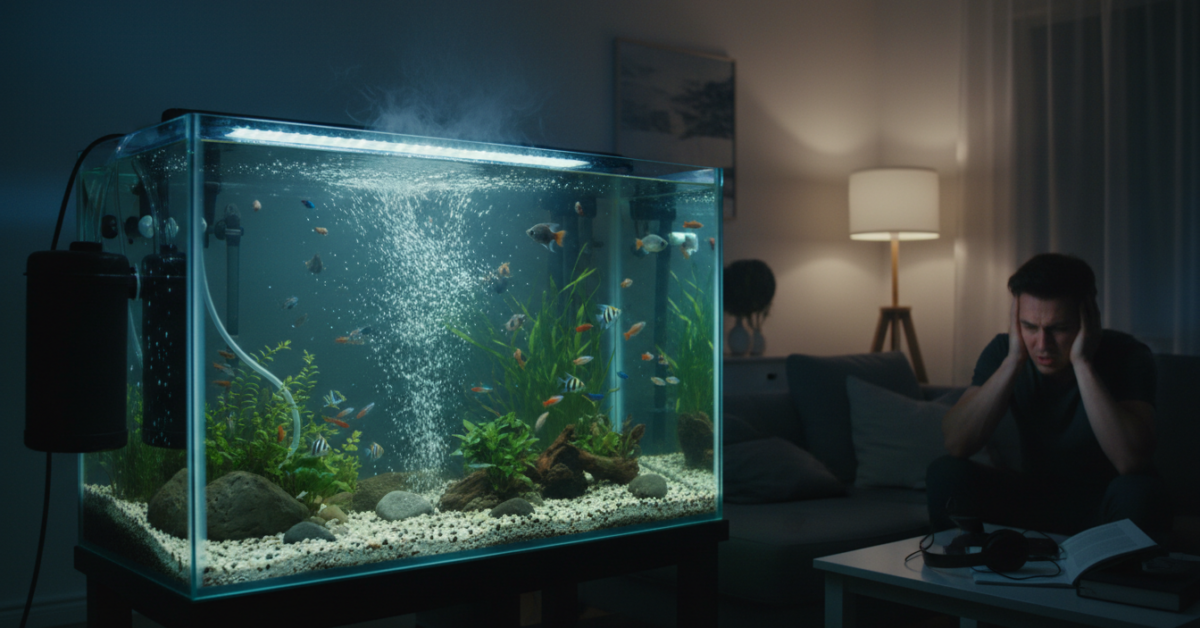
If you’ve recently set up an aquarium or you’re a seasoned fish keeper, you might be wondering about the noise coming from your filtration system. The short answer is no, fish tank filters are not supposed to be loud. While they’ll never be completely silent, a properly functioning filter should produce only a gentle hum or soft water trickling sound that blends into the background.
What’s Normal and What’s Not?
A healthy aquarium filter typically operates at around 25 to 40 decibels, which is roughly equivalent to a whisper or quiet library atmosphere. You should barely notice it after a few days. If your filter is making rattling, grinding, buzzing, or excessively loud splashing sounds, something isn’t right and needs attention.
The type of filter you have will influence the baseline noise level. Hang-on-back filters generally produce a gentle waterfall sound, canister filters emit a low hum, sponge filters create bubbling noises, and internal filters usually make minimal sound when properly installed.
Common Causes of Noisy Fish Tank Filters
Vibration Against Surfaces
One of the most common culprits behind filter noise is vibration. When your filter’s motor vibrates against the tank rim, cabinet, or wall, it amplifies the sound significantly. This issue is particularly common with hang-on-back filters that aren’t seated properly on the aquarium edge. Many people don’t realize is that even a millimetre gap between the filter and mounting surface can increase perceived noise by up to 60 percent due to resonance effects.
Low Water Levels
When water levels drop below the recommended mark, your filter intake may start sucking in air along with water, creating a loud gurgling or slurping sound. Most filters are designed to operate with water levels at least 2.5 to 5 cm (1 to 2 inches) above the intake tube. Regular evaporation means you should top up your tank weekly to maintain proper water levels and reduce noise.
Impeller Issues
The impeller is the motorized component that drives water through your filter system. Over time, debris, algae, and mineral deposits can accumulate on the impeller blades and shaft, causing grinding or rattling sounds. What many people don’t know is that impellers have tiny ceramic or rubber bearings that can wear down after approximately 18 to 24 months of continuous operation, even with regular cleaning. This natural wear is a normal part of filter maintenance.
Air Trapped in the System
After cleaning your filter or setting up a new one, air bubbles can become trapped inside the canister or tubing. These pockets create turbulent water flow and loud gurgling noises. With canister filters specifically, tilting the entire unit at a 45-degree angle while running can help release stubborn air pockets that normal priming doesn’t eliminate.
How to Quiet Your Noisy Filter
Regular Maintenance Schedule
Prevention is always better than cure. Cleaning your filter media monthly and the impeller assembly every two to three months will prevent most noise issues before they start. When cleaning the impeller, pay special attention to the small shaft it sits on, as even invisible biofilm buildup here can cause noise.
Strategic Placement
Position matters more than you might think. Place foam padding or a small towel between hang-on-back filters and the tank rim to dampen vibrations. For canister filters stored in cabinets, setting them on foam mats or rubber pads can dramatically reduce noise transmission through furniture.
Adjust Water Flow
Many modern filters include flow control valves. Sometimes excessive water flow creates more splashing noise than necessary for your tank size. Reducing flow rate by 25 to 30 percent typically has negligible impact on biological filtration efficiency because beneficial bacteria colonies adapt to available flow rates, yet this adjustment can substantially reduce noise.
Check All Connections
Loose tubing connections, improperly seated media baskets, or filter lids that aren’t clicked in fully can all generate unnecessary noise. Take time to disassemble and properly reassemble your filter, ensuring every component fits snugly where it belongs.
When to Replace Rather Than Repair
Sometimes a noisy filter signals it’s reached the end of its serviceable life. If you’ve tried all troubleshooting steps and your filter still sounds like a garbage disposal, replacement might be the most practical solution. Budget filters typically last 2 to 4 years with proper care, while quality models can function quietly for 5 to 8 years or longer.
An important consideration many overlook is that replacement impellers and motor units are often available separately and cost 30 to 50 percent less than buying an entirely new filter system. Before purchasing a complete replacement, check if your manufacturer sells individual components.
The Impact of Water Chemistry on Filter Noise
Here’s something most aquarists never connect to filter noise: hard water. In areas with high mineral content, calcium and magnesium deposits build up much faster inside filter components. These deposits can affect impeller performance within weeks rather than months. Running a 50/50 mixture of aquarium water and white vinegar through an empty canister filter (when not attached to your fish tank) for 30 minutes every three months can prevent mineral buildup without harming beneficial bacteria that live primarily in your established media.
Creating a Peaceful Aquarium Environment
Remember that excessive noise doesn’t just affect you; it can stress your fish too. While fish don’t hear sounds the same way we do, they’re extremely sensitive to vibrations transmitted through water. A filter producing strong vibrations can create a stressful environment, particularly for sensitive species like bettas, discus, and certain catfish.
For bedroom or office tanks where silence is especially valued, consider sponge filters powered by air pumps placed in adjacent rooms, with airline tubing running discreetly to the tank. This setup can reduce noise to nearly imperceptible levels.
Conclusion
Fish tank filters should operate quietly, producing no more than a gentle hum or soft water movement sounds. If your filter is loud, it’s communicating that something needs attention, whether that’s a simple cleaning, water level adjustment, or component replacement. By understanding what causes filter noise and implementing the solutions outlined above, you can maintain a peaceful aquatic environment that’s enjoyable for both you and your fish. Regular maintenance remains your best defence against noisy operation, and taking action at the first sign of unusual sounds will save you headaches down the road.