The Main Reasons Your Fish Tank Has Bubbles
If you’ve ever gazed at an aquarium and wondered about those little bubbles dancing through the water, you’re not alone. Understanding why your fish tank has bubbles is actually more important than you might think. From oxygen levels to equipment issues, bubbles tell a story about what’s happening beneath the surface. Let’s dive into the fascinating world of aquarium bubbles and discover what they mean for your aquatic friends.
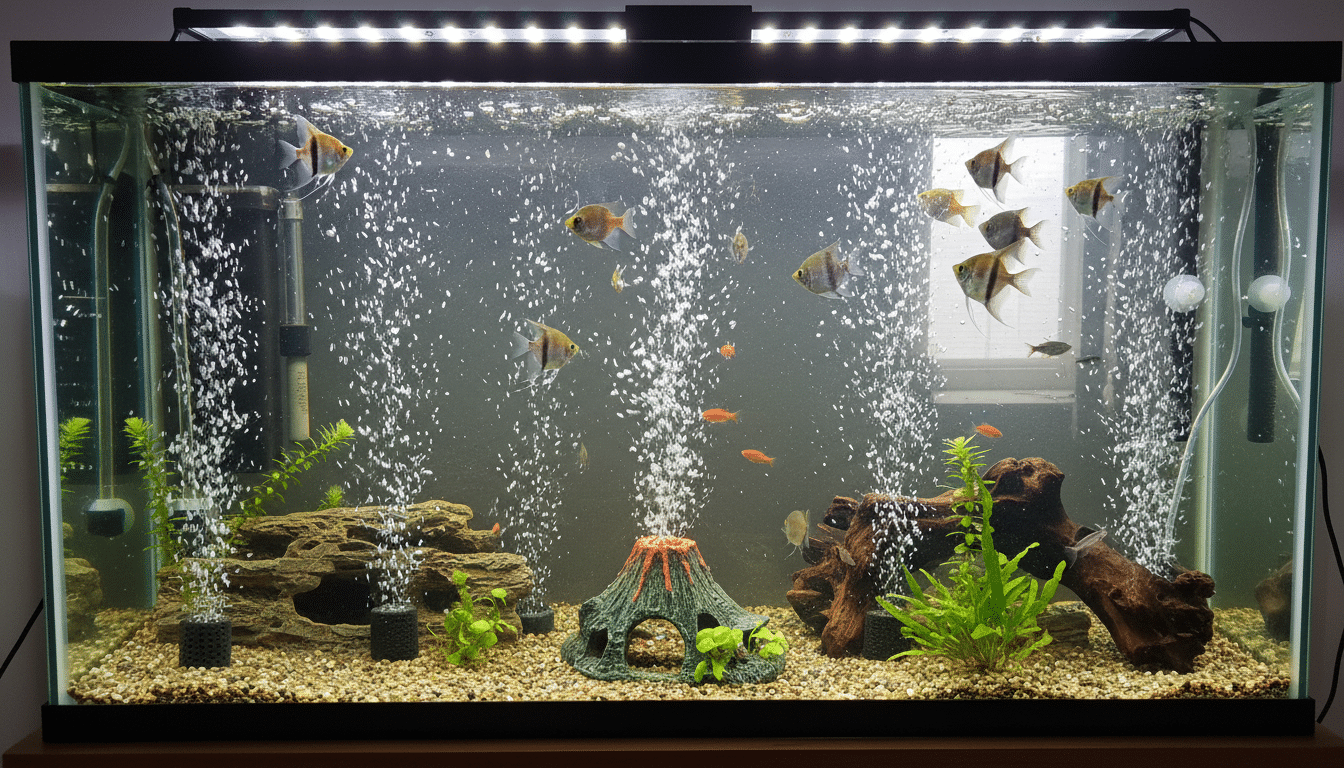
Bubbles in your aquarium aren’t just pretty to watch. They serve several essential functions and can appear for various reasons. The most common source is your air pump and air stone, which deliberately creates bubbles to oxygenate the water. These devices push air through the water, creating those steady streams of bubbles you see rising to the surface.
Your filter system is another major bubble producer. When water returns to the tank from a hang-on-back filter or canister filter, it often traps air, creating bubbles at the surface or throughout the water column. This is completely normal and actually beneficial for gas exchange.
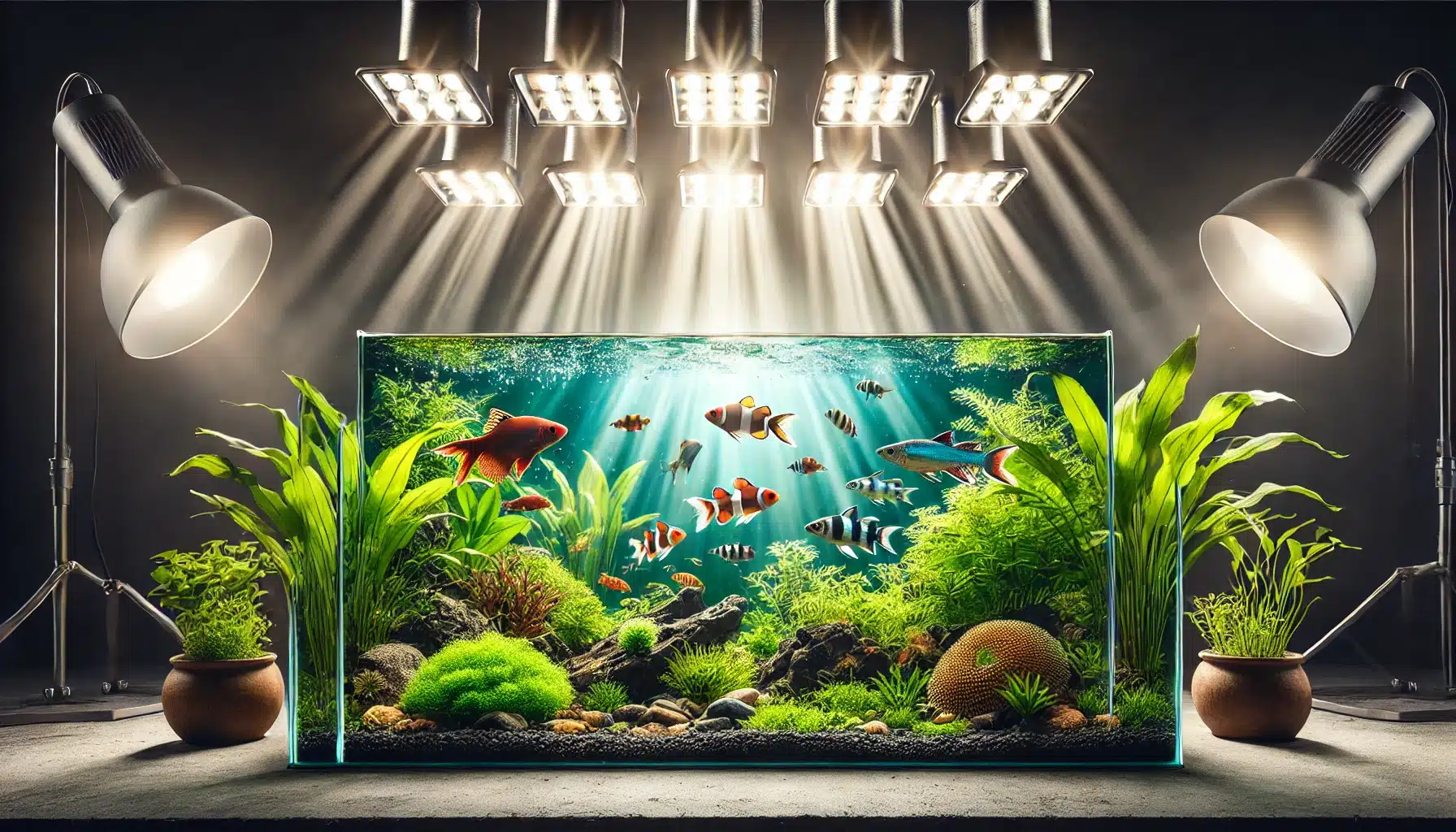
Interestingly, aquarium plants produce oxygen bubbles during photosynthesis, a process called pearling. When your plants are healthy and receiving adequate light, you’ll see tiny bubbles forming on their leaves. This is one of the most beautiful and beneficial types of bubbles you can have in your tank, as it indicates your plants are producing pure oxygen for your fish at a rate faster than what can be absorbed by the surrounding water.
Understanding Oxygen and Gas Exchange in Your Aquarium
Here’s something many aquarium owners don’t realize: the bubbles themselves don’t actually add much oxygen to the water. What really matters is the surface agitation they create. When bubbles break at the water’s surface, they disturb the water and increase the contact area between water and air. This is where the real gas exchange happens, allowing oxygen to dissolve into the water and carbon dioxide to escape.
Your fish need dissolved oxygen levels between 5-7 mg/L to stay healthy. Water temperature plays a crucial role here because warmer water holds less dissolved oxygen than cooler water. A tank at 25°C (77°F) will hold significantly less oxygen than one at 20°C (68°F), which is why tropical tanks often need more aeration than coldwater setups.
Signs Your Tank Needs More Oxygenation
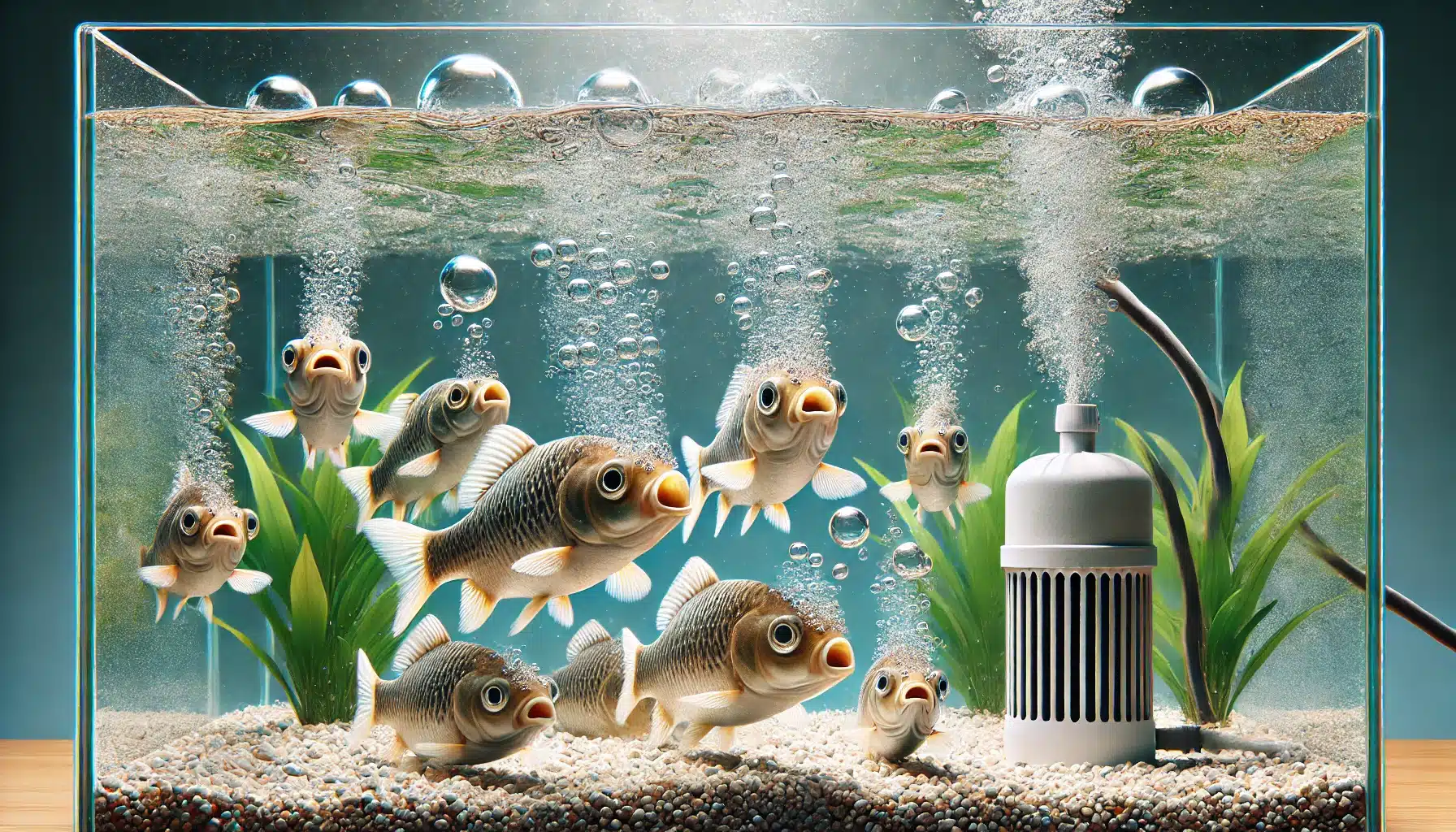
Watch for fish gasping at the surface, which indicates low oxygen levels. Other warning signs include lethargic behavior, rapid gill movement, and fish congregating near the filter output where water movement is strongest. If you notice these symptoms, increasing surface agitation through bubbles or water movement should be your first priority. Read more about addressing low oxygen in your tank here.
Different Types of Bubbles and What They Mean
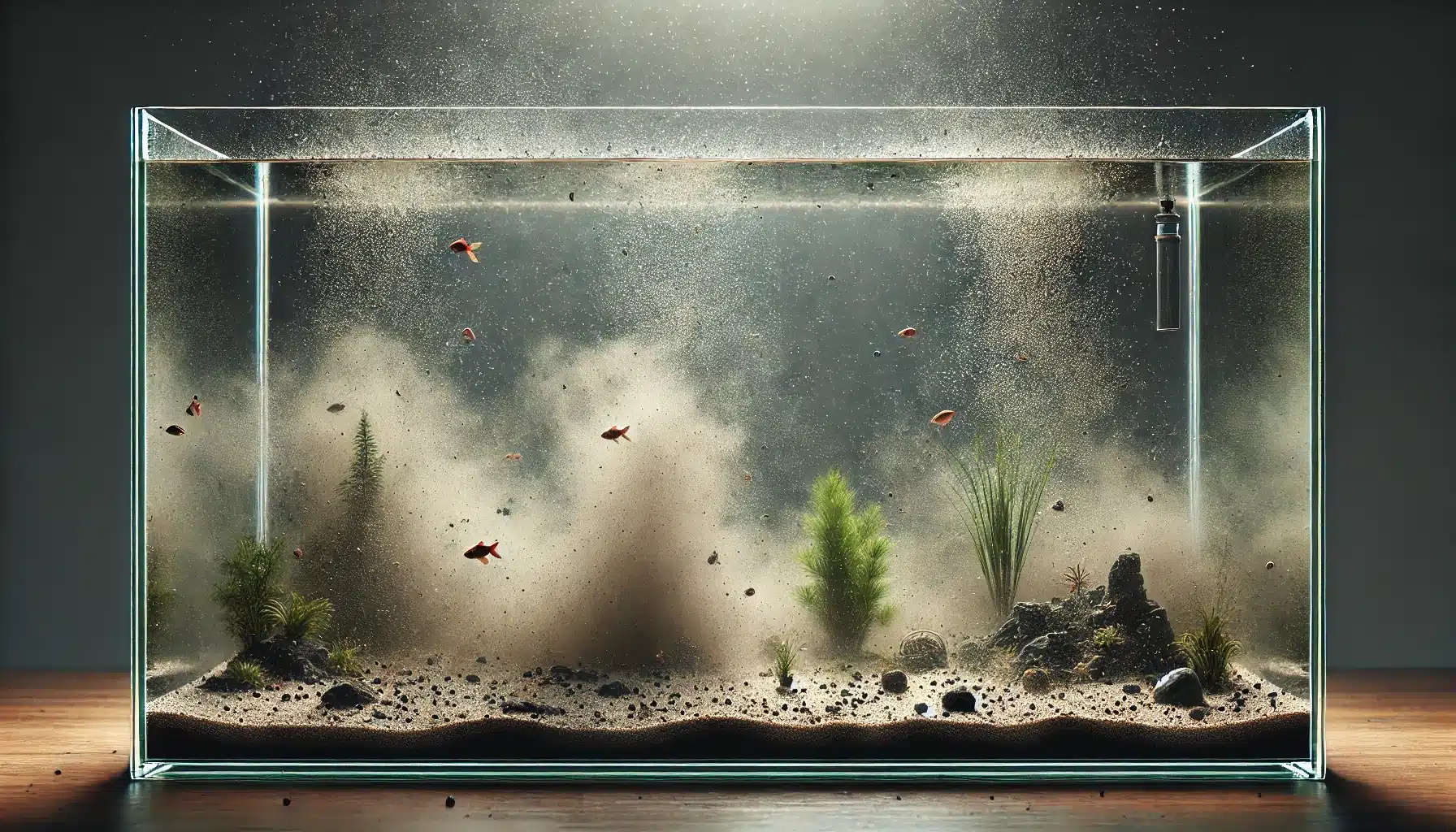
Foam or frothy bubbles that accumulate at the surface are quite different from regular air bubbles. This foam often indicates a protein buildup in your water, usually from overfeeding, fish waste, or decomposing organic matter. While small amounts are normal, excessive foam suggests it’s time for a water change and possibly a review of your feeding schedule.
Small, persistent bubbles clinging to the glass, decorations, or plants after a water change are perfectly normal. These appear because tap water contains dissolved gases that come out of solution as the water temperature adjusts. They’ll disappear within a few hours and pose no threat to your fish.
A lesser-known fact is that bacteria colonies produce tiny bubbles as a byproduct of their metabolic processes. In established tanks, beneficial bacteria break down ammonia and nitrites, sometimes releasing small bubbles. This is actually a sign of a healthy biological filter working as it should.
When Bubbles Indicate a Problem
While most bubbles are harmless or beneficial, excessive bubbling or unusual bubble patterns can signal issues. An oversized air pump can create too much turbulence, stressing fish that prefer calmer waters. Species like bettas, gouramis, and other labyrinth fish can struggle in heavily bubbled tanks because they breathe atmospheric air from the surface.
If you notice large bubbles forming rapidly and persisting on the surface, this could indicate high protein levels or even the presence of soaps, detergents, or other contaminants. Never use household cleaners near your aquarium, as even residue on your hands can introduce harmful chemicals that create abnormal bubbling.
Here’s an important consideration: bubble nests created by male bettas and some other species are actually a sign of good health and breeding readiness. These aren’t random bubbles but carefully constructed nests made from mucus-coated air bubbles. If you see a cluster of bubbles in one spot, especially in a betta tank, congratulations – your fish is feeling content and healthy.
Optimizing Bubble Production for Fish Health
The ideal bubble setup depends on your specific tank. Heavily stocked tanks need more aeration than lightly stocked ones. A general rule is that tanks under 76 liters (20 gallons) can usually manage with filter agitation alone, while larger setups often benefit from additional air stones.
Positioning matters significantly. Place air stones near the bottom of the tank for maximum effectiveness, allowing bubbles to travel the full height of the water column and create optimal circulation. Avoid placing them directly under resting spots where fish sleep, as the constant disturbance can cause stress.
For planted tanks, consider that excessive surface agitation can drive off carbon dioxide that plants need for photosynthesis. Many aquascapers use CO2 injection systems and actually minimize surface disturbance to keep that carbon dioxide dissolved. In these setups, you might see fewer bubbles but more plant pearling, which provides oxygen directly where fish need it.
Bubble Size and What It Reveals
The size of your bubbles tells you about your aeration system’s efficiency. Smaller bubbles have more surface area relative to their volume, which means they create more contact with the water as they rise. This is why quality air stones that produce fine bubble streams are more effective than those creating large bubbles, even though large bubbles look more dramatic.
An often-overlooked fact is that water chemistry affects bubble formation and persistence. Harder water with higher mineral content tends to produce more stable bubbles that last longer, while soft water bubbles dissipate more quickly. This doesn’t affect oxygen levels but explains why bubbles behave differently in different tanks.
Maintaining Your Bubble System
Air stones need regular replacement, typically every 3-6 months, as they gradually clog with mineral deposits and bacterial growth. When you notice your bubble stream weakening or becoming uneven, it’s time for a new stone. Running an air pump with a clogged stone forces it to work harder, shortening its lifespan.
Check your airline tubing periodically for cracks, yellowing, or stiffness. Damaged tubing can leak air, reducing efficiency and creating annoying buzzing sounds. Quality silicone tubing lasts much longer than standard plastic versions and stays flexible in both cold and warm conditions.
Conclusion: Bubbles as Your Tank’s Health Indicator
Bubbles in your fish tank serve as both functional equipment and visual indicators of your aquarium’s health. From the deliberate streams created by air pumps to the natural pearling of healthy plants, each type of bubble tells part of your tank’s story. Understanding why your fish tank has bubbles helps you maintain optimal oxygen levels, identify potential problems early, and create the best possible environment for your aquatic pets.
Remember that while bubbles are beneficial, more isn’t always better. Match your aeration to your fish species’ needs, tank size, and stocking levels. Pay attention to what your bubbles are telling you, whether that’s the need for a water change, equipment maintenance, or simply that everything is working perfectly. Your fish can’t tell you what they need, but those dancing bubbles certainly can.