When you’re setting up an aquarium, one of the biggest decisions you’ll face is choosing between glass and acrylic tanks. Both materials have their loyal fans, and the debate between aquarium glass vs acrylic continues to dominate fish keeping forums. Whether you’re a beginner looking for your first fish tank or an experienced fish keeper upgrading your setup, understanding the differences between these two materials is crucial for making the right choice.
Understanding the Basics: Glass and Acrylic Aquariums
Glass aquariums have been the traditional choice for decades, made from silicone-sealed glass panels. They’re what most people picture when they think of a fish tank. Acrylic tanks, on the other hand, are constructed from a type of plastic called polymethyl methacrylate (PMMA), which is molded or bonded together to create a seamless viewing experience.
The choice between acrylic vs glass aquarium isn’t just about aesthetics. It affects everything from maintenance to long-term durability, and understanding these differences will help you make an informed decision for your aquatic pets.
Weight and Installation Considerations
One of the most significant differences between these materials is weight. Acrylic tanks weigh approximately 50% less than glass tanks of the same size. This might not matter much for a small 40-litre (10.5-gallon) tank, but when you’re dealing with larger setups like a 380-litre (100-gallon) aquarium, that weight difference becomes incredibly important.
For those living in apartments or upper floors, an acrylic aquarium can be the safer choice. The reduced weight puts less stress on your flooring and makes moving the empty tank much easier. Glass tanks, while heavier, provide exceptional stability once in place, which some aquarists prefer for permanent installations.
Clarity and Visual Appeal
When it comes to viewing your aquatic display, both materials offer excellent transparency, but there are subtle differences. Acrylic transmits light at 92% compared to glass at 87%, meaning your tank will appear slightly brighter and more vibrant with acrylic. This enhanced clarity becomes more noticeable in larger tanks or when viewing from different angles.
Acrylic also offers superior design flexibility. It can be molded into curved shapes and custom dimensions that would be impossible or extremely expensive with glass. If you’re looking for a unique bow-front design or a cylindrical tank, acrylic is typically your only practical option.
However, glass maintains its clarity over time without yellowing, whereas some lower-quality acrylic tanks can develop a slight yellow tint after years of exposure to intense lighting, though this is rare with modern high-grade acrylic.
Durability and Impact Resistance
Here’s where things get interesting. Many people assume glass is more durable, but acrylic is actually 17 times more impact-resistant than glass. If something heavy falls against your tank, an acrylic aquarium is far less likely to crack or shatter. This makes acrylic particularly appealing for households with children or pets, or for commercial settings where accidents are more likely.
That said, acrylic’s Achilles heel is scratch resistance. The material scratches much more easily than glass, meaning everyday maintenance like using an algae scraper requires extra caution. Glass tanks can withstand vigorous cleaning with standard aquarium scrapers and razors without damage, while acrylic tanks need specialized soft cleaning pads to avoid scratching the viewing panels.
Maintenance and Long-Term Care
Daily and weekly maintenance differs significantly between glass vs acrylic fish tanks. Glass is incredibly easy to clean and maintain. You can use metal scrapers, credit cards, or razor blades to remove stubborn algae and calcium deposits without worrying about scratching the surface. Glass also resists chemical damage from aquarium treatments and saltwater.
Acrylic requires gentler handling. You’ll need to use acrylic-safe cleaning pads and avoid any abrasive materials. The good news? Minor scratches in acrylic can be buffed out using specialized polishing kits, something that’s impossible with glass. This means that while acrylic scratches more easily, it’s also more repairable.
For saltwater aquariums, both materials perform well, but glass has a slight edge in resisting salt creep discoloration. Acrylic can develop a slight haze around the waterline in marine setups if not cleaned regularly.
Temperature Considerations
An often overlooked factor is insulation. Acrylic provides better insulation than glass, helping maintain stable water temperatures. This can lead to lower heating costs, especially in cooler climates or for tropical fish that need water temperatures around 25-27°C (77-80°F). While the difference isn’t dramatic, it can add up over time and provides a more stable environment for temperature-sensitive species.
Cost Comparison: Initial Investment vs Long-Term Value
Price is always a consideration when choosing an aquarium. Generally, glass tanks are more affordable upfront, particularly for standard rectangular sizes. A standard glass aquarium tank might cost 30-50% less than an equivalent acrylic model. This makes glass the go-to choice for budget-conscious hobbyists or those just starting out.
Acrylic tanks command premium prices due to manufacturing complexity and material costs. However, when you factor in the reduced need for a heavy-duty stand (thanks to lighter weight) and potential energy savings from better insulation, the long-term cost difference narrows.
Custom-sized tanks flip this equation somewhat. Custom glass aquariums are extremely expensive due to specialized labor, while acrylic can be more easily fabricated into custom shapes and sizes, making it more cost-effective for unique installations.
Safety and Structural Integrity
Safety concerns differ between these materials. Glass tanks, when they fail, typically leak rather than shatter explosively, thanks to the silicone seals that usually give out before the glass breaks. However, if glass does break from impact, it creates dangerous sharp shards.
Acrylic is much safer in terms of breakage because it won’t shatter into sharp pieces. If an acrylic tank cracks, it typically forms a crack line rather than exploding. Acrylic’s flexibility also allows it to bow slightly under pressure, which actually helps distribute stress more evenly across larger tanks. This is why most very large public aquariums and commercial installations prefer acrylic for massive viewing panels.
Environmental Factors and Lifespan
Both materials can last for decades with proper care, but they age differently. Glass is essentially inert and won’t degrade over time. A 20-year-old glass tank looks virtually identical to a new one, assuming the silicone seals are maintained (which typically need resealing every 10-15 years).
Acrylic can potentially discolor or become more brittle with age, particularly if exposed to UV light or harsh chemicals. However, modern acrylic formulations are UV-resistant, and this degradation is minimal with proper care. The trade-off is that acrylic doesn’t rely on silicone seals, eliminating one potential failure point that glass tanks have.
Making Your Decision: Which Tank is Right for You?
Choosing between glass or acrylic aquarium materials ultimately depends on your specific situation. Glass makes excellent sense if you’re on a budget, want easy maintenance, prefer traditional rectangular shapes, and don’t plan to move your tank often. It’s perfect for beginners who want a reliable, straightforward setup.
Acrylic is worth the investment if you need a lighter tank for weight restrictions, want a custom or curved design, have concerns about impact safety, or are setting up a very large aquarium. The enhanced clarity and insulation are nice bonuses that many aquarists appreciate.
For saltwater reef tanks, many hobbyists lean toward glass for easier maintenance and better resistance to salt deposits. For freshwater planted tanks, both work equally well, though some aquascapers prefer acrylic’s enhanced light transmission for growing demanding plants.
Conclusion
There’s no universal answer to whether a glass or acrylic tank is better. Both materials have proven themselves reliable for keeping healthy fish and creating stunning aquatic displays. Glass offers affordability, scratch resistance, and easy maintenance, making it the practical choice for most hobbyists. Acrylic brings impact resistance, lighter weight, design flexibility, and superior clarity, justifying its premium price for specific applications.
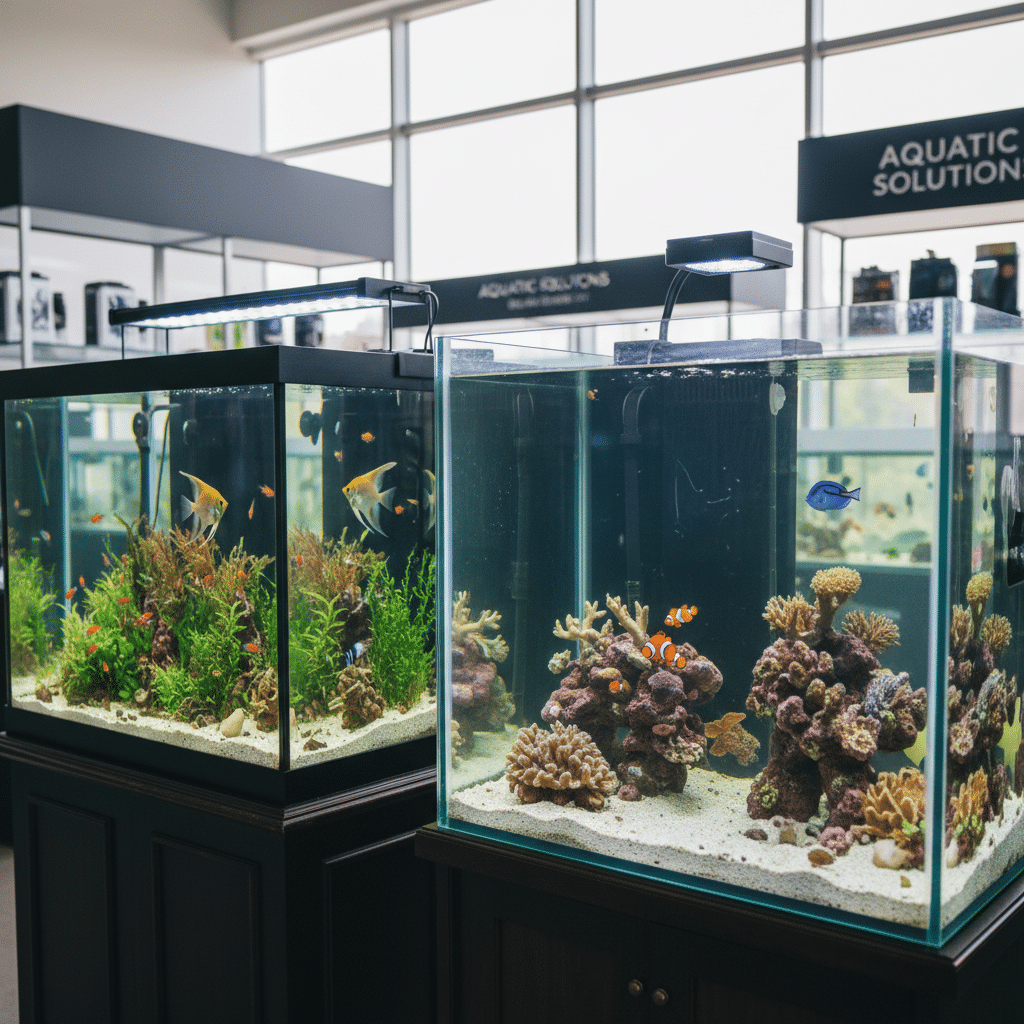
Consider your budget, tank size, location, maintenance preferences, and long-term goals before deciding. Visit local fish stores to see both types in person, and don’t hesitate to ask experienced aquarists about their preferences. Whichever material you choose, proper setup and maintenance matter far more than the tank material itself when it comes to creating a thriving aquatic environment for your fish.