Fish Swim Bladder Disease: Causes, Symptoms, and Proven Treatment Methods
If you’ve noticed your fish swimming sideways, floating upside down at the surface, or struggling to stay submerged, you’re likely dealing with swim bladder disease. This common condition affects aquarium fish worldwide, and while it can look alarming, the good news is that it’s often treatable when you understand what’s happening and how to respond.
What Is Swim Bladder Disease?
Swim bladder disorder, also known as swim bladder disease, isn’t actually a single disease but rather a symptom of various underlying problems. The swim bladder is an internal gas-filled organ that helps fish control their buoyancy and maintain their position in the water. When this organ malfunctions, fish lose their ability to regulate depth and orientation properly.
Here’s something most fishkeepers don’t know: the swim bladder evolved from lung tissue in ancient fish species, which is why some fish can actually use it to breathe atmospheric air in oxygen-poor environments. This evolutionary connection explains why the organ is so sensitive to pressure changes and bacterial infections that affect respiratory systems.
Recognizing Swim Bladder Problem Symptoms
Identifying swim bladder issues early makes treatment much more effective. Watch for these telltale signs:
Your fish may be swimming upside down or on its side, which is the most obvious indicator. You might notice your fish floating to the top and struggling to swim downward, or conversely, sinking to the bottom and having difficulty rising. A curved or bent spine appearance often accompanies these swimming difficulties. Some fish will stop eating entirely, while others develop a visibly swollen belly.
Certain species are more vulnerable than fancy goldfish varieties, bettas, and guppies, which have been selectively bred in ways that can compromise their swim bladder function. Interestingly, fancy goldfish with rounded body shapes experience swim bladder problems up to three times more frequently than their slim-bodied cousins because their compressed organs leave less room for the swim bladder to expand and contract normally.
Common Causes Behind Swim Bladder Dysfunction
Overfeeding and Diet Issues
The most frequent culprit behind swim bladder problems is overfeeding. When fish gulp food too quickly, they often swallow air along with it. Dry foods like flakes and pellets expand in the digestive system, creating pressure on the swim bladder. Low-quality foods with excessive fillers can cause constipation, which physically compresses the swim bladder and prevents it from functioning properly.
Water Quality and Temperature Problems
Poor water conditions stress fish and weaken their immune systems, making them susceptible to infections that affect the swim bladder. Sudden temperature drops are particularly problematic because they slow digestion dramatically, leading to the buildup of food in the digestive tract.
A lesser-known fact: rapid temperature fluctuations of just 2-3°C (3.6-5.4°F) can cause the gas inside the swim bladder to contract or expand too quickly, temporarily affecting buoyancy even in otherwise healthy fish.
Bacterial and Parasitic Infections
Internal bacterial infections can directly inflame the swim bladder tissue or the surrounding area. Parasites occasionally invade the swim bladder itself, though this is less common than digestive-related causes. These infectious causes typically require longer treatment periods and may need veterinary intervention.
Physical Injury and Genetic Factors
Aggressive tankmates can injure fish in ways that damage the swim bladder. Birth defects occur more frequently in heavily inbred ornamental fish lines, with some fish born with malformed or partially functional swim bladders that cause lifelong buoyancy challenges.
Effective Treatment Methods for Swim Bladder Disease
The Fasting Approach
For cases caused by overfeeding or constipation, fasting is your first line of defense. Stop feeding your affected fish for 24 to 48 hours. This allows their digestive system to clear and relieves pressure on the swim bladder. During this time, maintain stable water conditions and monitor your fish closely.
The Pea Treatment Method
After the fasting period, offer your fish a small piece of cooked, deshelled pea. Peas act as a gentle laxative for fish and help clear their digestive system. Here’s what many guides don’t mention: this treatment works best for omnivorous species like goldfish and bettas, but should be avoided for strict carnivores like piranhas or certain catfish, whose digestive systems aren’t designed to process plant matter.
To prepare the pea, boil it for about one minute until soft, let it cool, remove the skin, and mash it into tiny pieces appropriate for your fish’s mouth size.
Water Quality Optimization
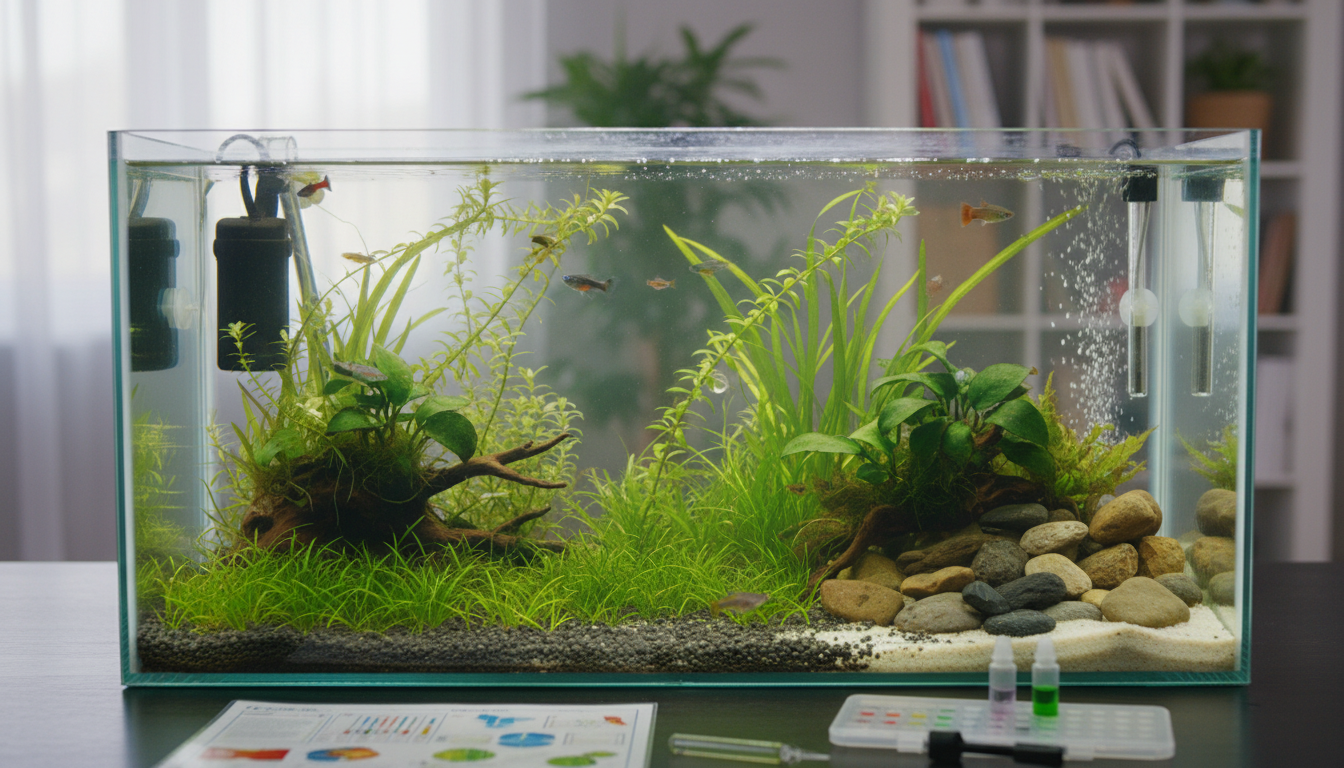
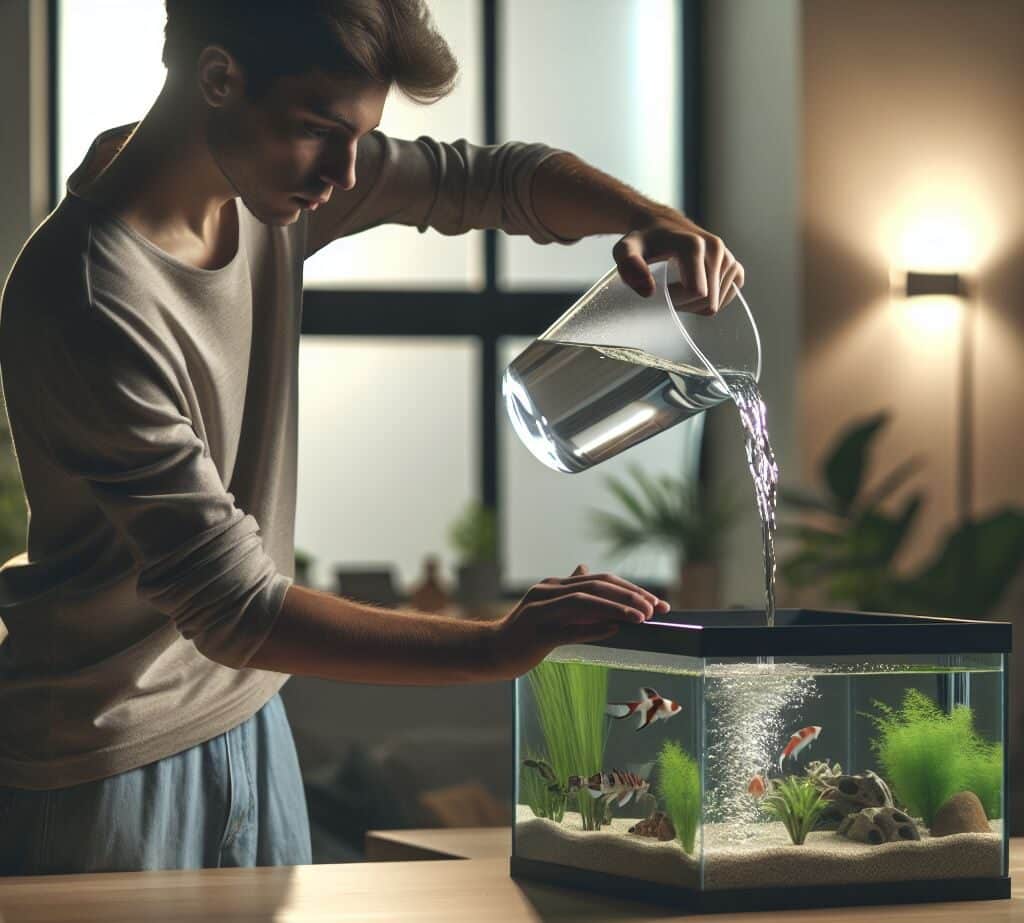
Test your water parameters immediately. Ammonia and nitrite should be at 0 ppm, while nitrates should stay below 20 ppm. Perform a 25-30% water change if parameters are off, ensuring the new water is temperature-matched within 1°C (1.8°F) of the tank water.
Temperature Adjustment
Gradually raise the water temperature by 1-2°C (1.8-3.6°F) over several hours if it’s below the species’ optimal range. Warmer water (within safe limits) speeds up metabolism and digestion. For tropical fish, aim for 26-27°C (78.8-80.6°F), which helps their digestive system function more efficiently.
Aquarium Salt Treatment
For freshwater fish that tolerate salt, adding aquarium salt can help reduce fluid retention and support healing. Use 1 tablespoon per 19 litres (5 gallons) of water. Important note: some species like corydoras catfish and most live plants are salt-sensitive, so research your specific fish before using this method. Interestingly, salt treatment works not just through osmotic effects but also because the chloride ions in salt help fish produce more protective mucus coating, which can prevent secondary bacterial infections during recovery.
Medication When Necessary
If symptoms persist beyond five days despite dietary and environmental interventions, bacterial infection may be the cause. Broad-spectrum antibacterial medications designed for internal infections can help, but these should be a last resort after other methods fail. Always follow dosing instructions precisely and remove activated carbon from filters, as it absorbs medication.
Prevention Strategies for Long-Term Fish Health
Preventing swim bladder issues is far easier than treating them. Feed smaller portions twice daily rather than one large feeding, and soak dry foods for 30 seconds before feeding to prevent them from expanding inside your fish. High-quality foods with minimal fillers make a significant difference in digestive health.
Maintain consistent water parameters through regular testing and weekly water changes of 20-25%. Avoid sudden temperature swings by placing tanks away from windows, air conditioners, and heaters. Keep the water temperature stable within 1°C (1.8°F) day to night.
Choose tankmates carefully to prevent aggressive behavior and injury. Provide adequate space for each fish, as overcrowding increases stress and competition for food, both of which contribute to swim bladder problems.
A final fascinating fact: some advanced fishkeepers actually train their fish to feed from specific locations in the tank, which reduces the frantic surface-feeding behavior that causes air gulping. This simple behavioral modification can dramatically reduce swim bladder incidents in susceptible species.
When to Seek Professional Help
While many swim bladder cases resolve with home treatment, some situations require veterinary expertise. If your fish shows no improvement after seven days of treatment, displays additional symptoms like red streaking, lesions, or severe lethargy, or if multiple fish develop symptoms simultaneously, consult an aquatic veterinarian.
Fish with genetic swim bladder defects may never fully recover, but many can live comfortable lives with accommodations like shallow water levels and specialized feeding techniques.
Living with Chronic Swim Bladder Issues
Some fish, particularly fancy goldfish, develop recurring swim bladder problems despite proper care. For these fish, permanent environmental modifications help maintain quality of life. Reduce water depth to 20-25 cm (8-10 inches) so affected fish can easily reach the surface for air. Add smooth, flat resting spots near the surface where fish can stabilize themselves. Feed sinking pellets rather than floating foods to discourage surface gulping.
Many fishkeepers successfully manage chronic cases for years with these adjustments, allowing their fish to live relatively normal lives.
Understanding Your Fish’s Recovery Timeline
Mild cases caused by overfeeding typically resolve within 2-4 days with fasting and dietary adjustments. Moderate cases involving constipation or minor environmental stress may take 5-7 days to show improvement. Severe cases stemming from bacterial infections or significant organ damage can require 2-3 weeks of treatment, and some fish may retain permanent buoyancy quirks even after recovery.
Patience is essential during treatment. Avoid the temptation to try multiple treatments simultaneously, as this makes it impossible to identify what’s working and can further stress your fish.
Final Thoughts on Swim Bladder Health
Swim bladder disease might seem frightening when you first notice your fish swimming abnormally, but armed with knowledge about causes and treatments, you’re well-equipped to help your aquatic friend recover. Remember that prevention through proper feeding, excellent water quality, and stable conditions is your best strategy.
Most importantly, observe your fish daily. The earlier you catch swim bladder symptoms, the simpler and more effective treatment becomes. With consistent care and attention to their environment, your fish can thrive for years to come, swimming gracefully through their underwater world exactly as nature intended.