How to Raise pH in an Aquarium
Keeping your aquarium water chemistry balanced is one of the most important aspects of fishkeeping, yet it’s something that often confuses beginners and experienced hobbyists alike. If you’ve tested your tank water and discovered the pH is too low, you’re not alone. Many people face this challenge, especially when keeping fish that prefer alkaline conditions. The good news? Raising pH in your aquarium doesn’t have to be complicated, and there are several safe, effective methods to get your water parameters where they need to be.
Understanding pH and Why It Matters for Your Fish
Before we dive into how to increase pH levels, let’s quickly cover what pH actually means. The pH scale measures how acidic or alkaline your water is, ranging from 0 to 14. A pH of 7 is neutral, anything below is acidic, and anything above is alkaline (or basic). Most freshwater fish thrive in pH ranges between 6.5 and 8.0, though specific species have their own preferences.
African cichlids, for example, naturally come from lakes with pH levels between 7.8 and 8.6, while many South American tetras prefer slightly acidic water around 6.0 to 7.0. When pH drifts too far from your fish’s preferred range, it can cause stress, suppress their immune systems, and even lead to disease or death.
Here’s something many don’t realize: pH isn’t just about the number itself. What matters more is stability. Fish can actually adapt to pH levels slightly outside their ideal range if those levels remain consistent. Sudden pH swings are far more dangerous than a stable pH that’s slightly off target.
What Causes Low pH in Aquariums?
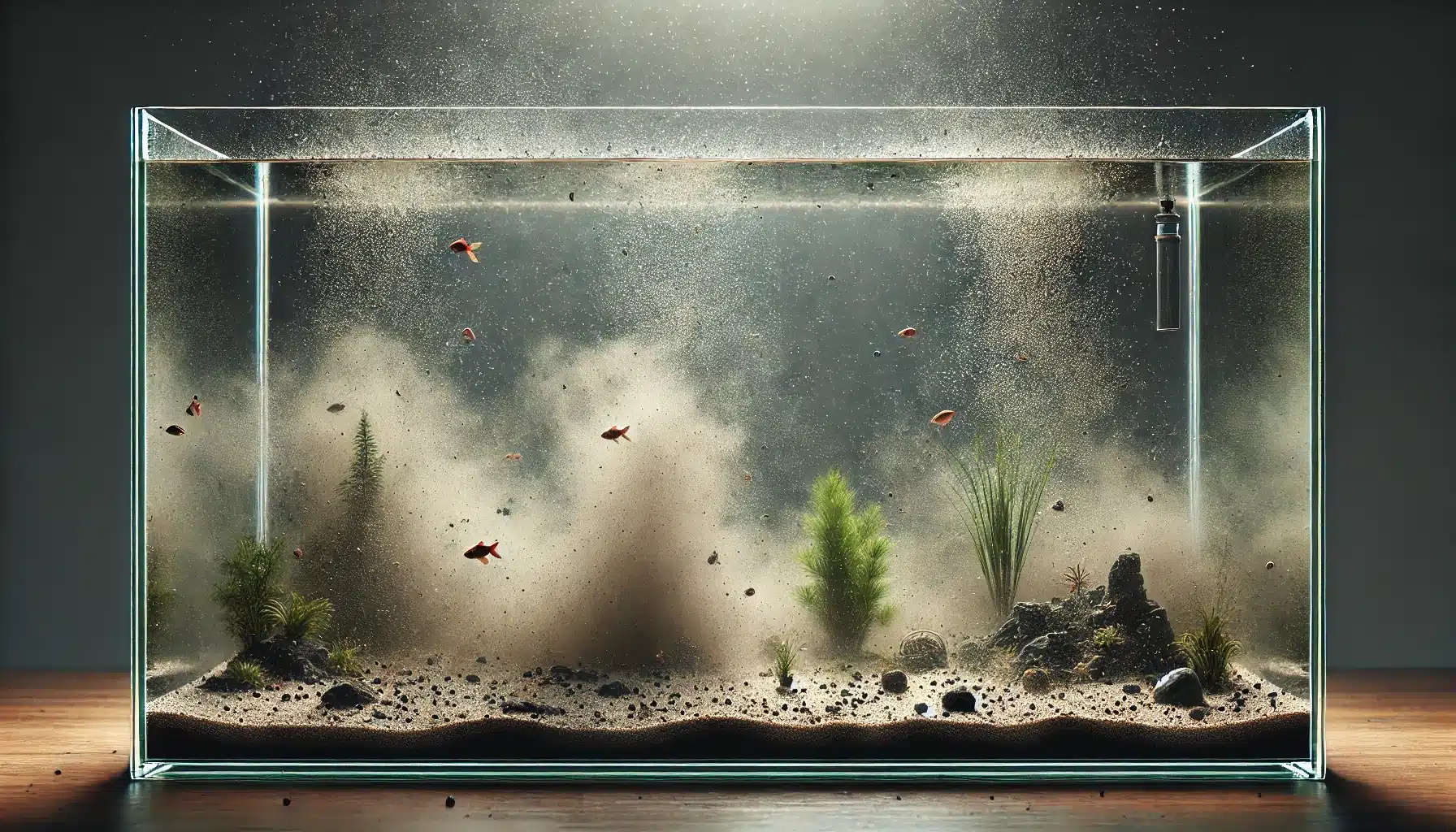
Understanding why your pH drops helps you choose the right solution. Several factors commonly lower aquarium pH over time. Organic waste from fish, uneaten food, and decaying plant matter all produce acids that gradually reduce pH. Driftwood is another common culprit, as it releases tannins that create a natural acidic environment (which is great for some fish but problematic for others).
Carbon dioxide from fish respiration dissolves in water to form carbonic acid, which also lowers pH. Interestingly, heavily planted tanks can experience pH fluctuations throughout the day because plants consume CO2 during daylight (raising pH) and produce it at night (lowering pH). This daily swing can be as much as 0.5 pH units in densely planted aquariums.
Finally, if you have low KH (carbonate hardness), your water lacks buffering capacity. Think of KH as your water’s resistance to pH changes. Without adequate KH, even small amounts of acid will cause significant pH drops.
Testing Your Water Parameters First
Before making any adjustments, you need accurate baseline measurements. Invest in a quality liquid test kit rather than paper strips, as they’re significantly more accurate. Test for pH, KH, and GH (general hardness) because these three parameters work together.
Test at the same time each day for consistency, preferably in the morning before lights come on. If you have plants, test in the evening too to see if you’re experiencing those daily pH swings we mentioned earlier. Keep a log of your readings so you can track patterns over time.
Natural Methods to Raise pH in Your Aquarium
Crushed Coral and Aragonite Substrate
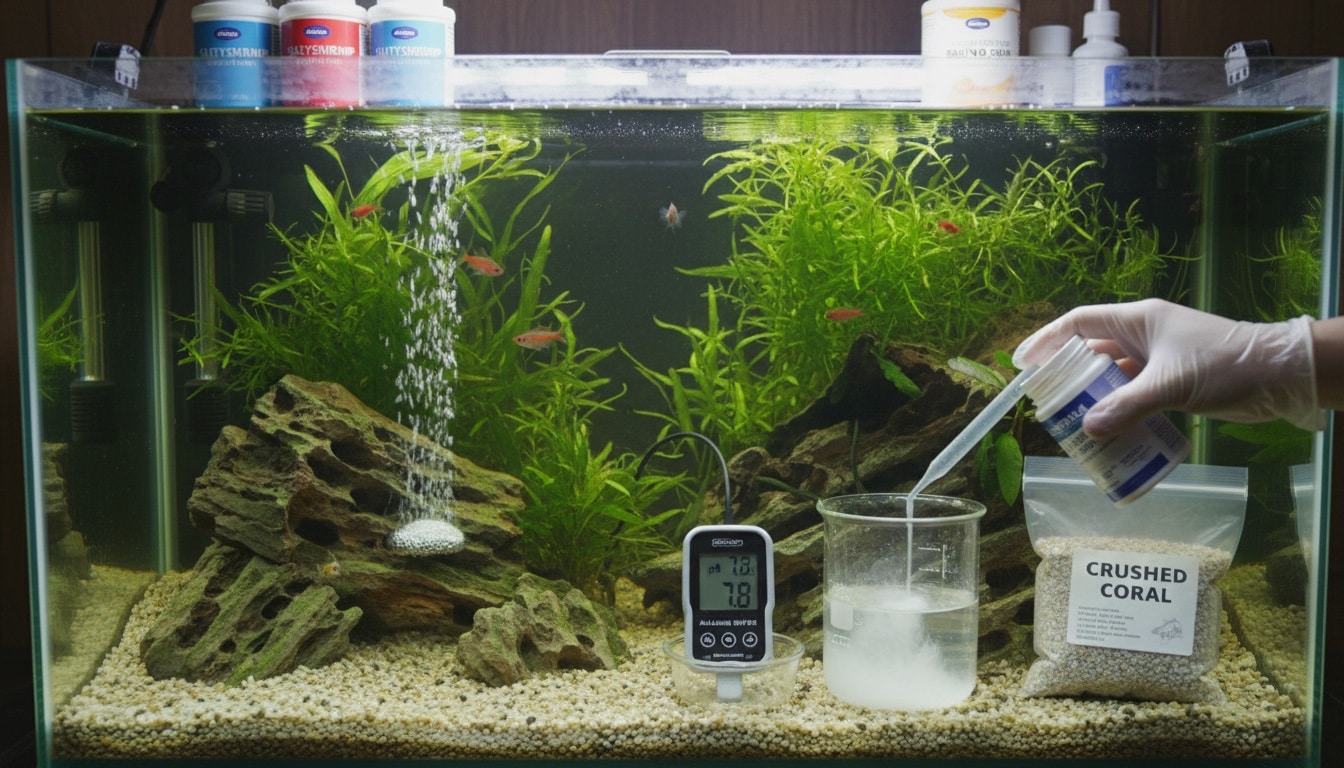
One of the most effective and stable methods for raising pH is adding crushed coral or aragonite sand to your tank. These calcium carbonate based materials slowly dissolve, releasing minerals that both increase pH and boost KH simultaneously. This dual action provides long term stability rather than quick, potentially dangerous pH spikes.
You can add crushed coral directly to your substrate, place it in a mesh bag inside your filter, or create a dedicated chamber in a sump system. The amount you’ll need depends on your tank size and how much you need to raise the pH. Start with approximately 100-200 grams per 40 litres (10 gallons) and adjust from there based on your results.
Here’s a lesser known tip: crushed coral becomes more effective at dissolving when pH is lower, which means it naturally provides more buffering capacity when your tank needs it most. It’s essentially a self regulating system.
Limestone Rocks and Shells
Similar to crushed coral, limestone rocks and seashells are made of calcium carbonate and will gradually raise both pH and hardness. Texas holey rock (also called honeycomb limestone) is particularly popular in African cichlid tanks because it provides hiding spots while maintaining the high pH these fish require.
Clean any rocks thoroughly before adding them to your tank. Place them strategically as part of your aquascape. The larger the surface area exposed to water, the more effective they’ll be at buffering pH.
Increasing Aeration and Surface Agitation
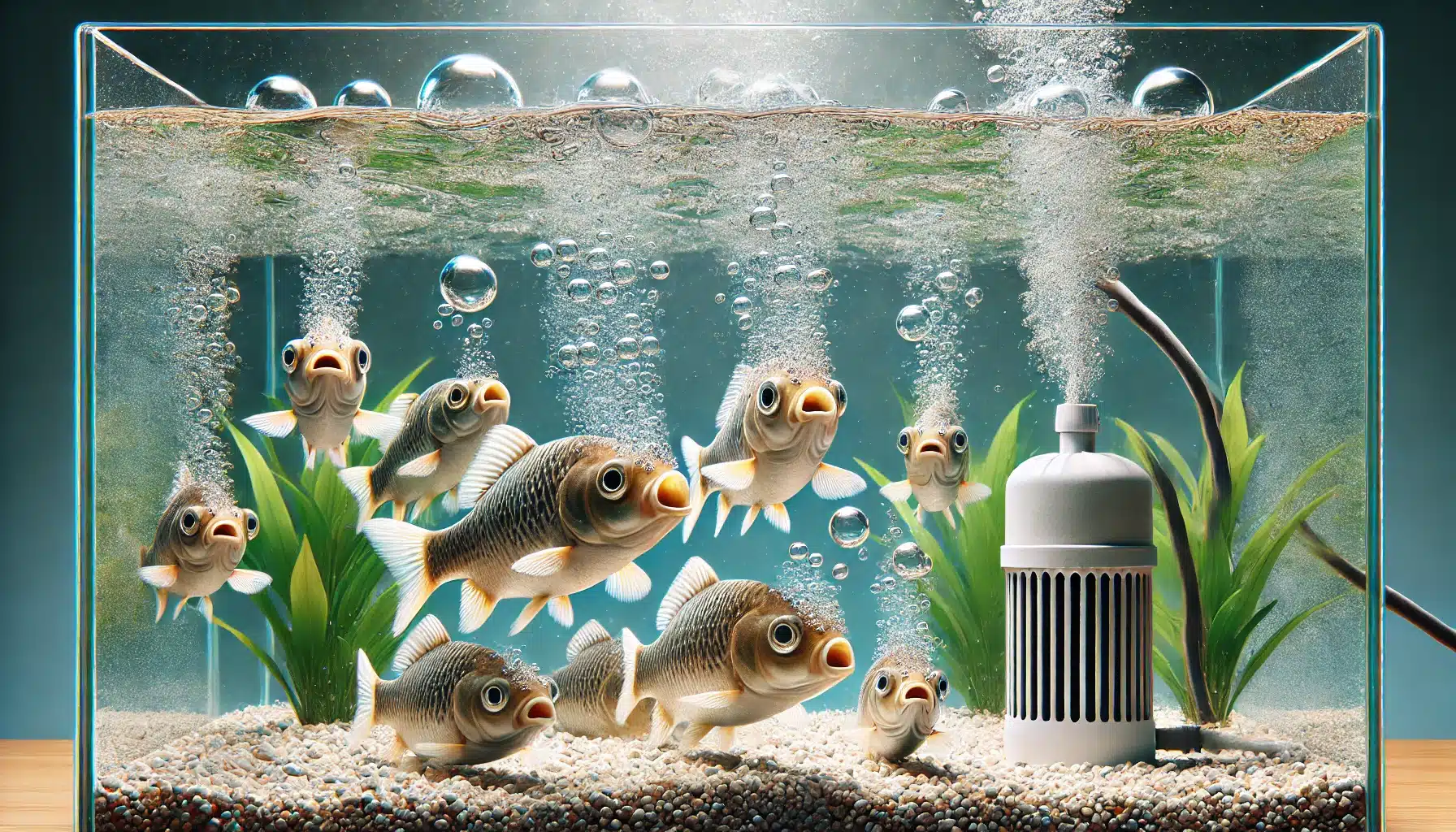
This method works by driving off excess carbon dioxide from your water. Remember, dissolved CO2 forms carbonic acid, so reducing CO2 levels helps prevent pH from dropping. Point your filter output toward the water surface to create ripples, add an airstone, or adjust your equipment to maximize gas exchange.
This approach is particularly useful if you’re injecting CO2 for planted tanks and finding that it’s dropping your pH too much. Simply reducing injection rates or increasing aeration during the night when plants aren’t using CO2 can help stabilize pH levels.
Chemical Methods for Raising Aquarium pH
Baking Soda (Sodium Bicarbonate)
Baking soda is a quick way to raise both pH and KH, but it should be used carefully. It’s best suited for temporary adjustments or emergencies rather than long term pH management. The standard dosage is approximately 1 teaspoon per 40 litres (10 gallons) to raise pH by about 0.3 to 0.5 units.
Important: never add baking soda directly to your tank. Dissolve it completely in a container of tank water first, then slowly add this solution over several hours. Rapid pH changes, even in the right direction, can shock your fish.
Commercial pH Buffers
Pet stores sell various pH adjusting products specifically formulated for aquariums. These typically combine pH raising compounds with KH buffers to provide more stable results than baking soda alone. Always follow manufacturer instructions precisely and adjust gradually over several days.
Many experienced aquarists actually prefer natural methods over chemical buffers because they provide more stable, long lasting results and don’t require constant dosing. However, commercial buffers can be useful when setting up a new tank or making initial corrections.
The Role of Water Changes in pH Management
Your tap water chemistry plays a crucial role in long term pH stability. If your tap water has a pH of 7.8 but your tank keeps dropping to 6.8, regular water changes will naturally help maintain higher pH levels. Test your tap water after letting it sit for 24 hours (to allow chlorine to dissipate and pH to stabilize) to understand what you’re working with.
However, if your tap water is naturally soft and acidic, frequent water changes won’t solve low pH problems. You’ll need to implement one of the buffering methods mentioned earlier to achieve sustainable results. Some fishkeepers actually remineralize their water change water before adding it to the tank, using products designed to increase both GH and KH.
Reverse Osmosis Water Considerations
Many advanced hobbyists use reverse osmosis (RO) water to start with a blank slate, then remineralize it to exact specifications. If you’re using RO water, you’ll definitely need to add minerals back, as pure RO water has essentially no buffering capacity and an unstable pH. Remineralization products allow precise control over your water chemistry, which is perfect for demanding species with specific requirements.
How Quickly Should You Raise pH?
This is critical: never rush pH adjustments. A safe rate of change is no more than 0.2 to 0.3 pH units per day. Sudden pH swings can cause more harm than moderately incorrect pH levels. Fish can suffer from pH shock, which damages their gills, skin, and internal organs.
If your pH is significantly low (say 6.0 when you need 7.8), plan on taking at least a week to make the adjustment, implementing changes gradually and monitoring closely. Here’s an interesting fact: fish gills are incredibly sensitive to pH because they’re in constant direct contact with water. Even changes that seem small to us can be physiologically stressful for fish, affecting their ability to regulate internal salt and water balance.
Maintaining Stable pH Long Term
Once you’ve successfully raised your pH to the target range, the work isn’t done. Consistent maintenance prevents future drops. Regular water changes (typically 25-30% weekly) remove accumulated acids and organic waste. Keep your filter clean and functioning properly, as biological filtration helps maintain water quality and stability.
Monitor your KH levels monthly, as this is your early warning system for pH problems. If KH starts dropping, your buffering capacity is declining, and pH will likely follow. Top up your crushed coral or other buffering media before pH becomes an issue.
Avoid overfeeding, as excess food decays and produces acids. Remove any uneaten food within a few minutes of feeding. Keep your tank appropriately stocked, because overcrowding leads to excessive waste production that overwhelms your tank’s buffering capacity.
Species Specific pH Requirements
Different fish have evolved in vastly different water conditions, so always research your specific species’ needs. African Rift Lake cichlids (from Lakes Malawi, Tanganyika, and Victoria) require pH between 7.8 and 8.6, along with high hardness. Livebearers like guppies, mollies, and platies also prefer alkaline water around 7.5 to 8.2.
Interestingly, some fish species have adapted to such specific pH ranges that they cannot successfully reproduce outside those parameters, even if they seem healthy otherwise. For example, many Tanganyikan cichlids won’t spawn below pH 8.0, even if they’re eating well and showing good colors.
Marine aquariums require even higher pH, typically between 8.0 and 8.4, which is why reef keepers use specialized salt mixes and additional buffering strategies.
Common Mistakes to Avoid
Don’t chase perfect numbers. If your fish are healthy, active, eating well, and displaying natural behaviors, minor deviations from “ideal” pH aren’t worth stressing over. Stability trumps perfection every time.
Avoid mixing fish with dramatically different pH requirements in the same tank. You can’t maintain pH 6.0 for soft water tetras and pH 8.2 for African cichlids simultaneously. Choose compatible species that thrive in similar water conditions.
Don’t adjust pH without also considering hardness. The two parameters are interconnected, and trying to force high pH in soft water (or vice versa) creates unstable conditions. Proper buffering means adjusting both pH and mineral content together.
Never use pH adjusting products without understanding what’s causing your pH issues in the first place. Treating symptoms without addressing root causes leads to constant pH fluctuations and stressed fish.
Conclusion
Raising pH in your aquarium is definitely achievable with the right approach and a bit of patience. Whether you choose natural methods like crushed coral and limestone, improve aeration to reduce CO2, or use carefully measured chemical buffers, the key is making gradual adjustments while monitoring your results closely. Remember that stable water parameters are more important than hitting exact numbers, and different fish species have genuinely different needs.
By understanding the relationship between pH, KH, and GH, maintaining good aquarium hygiene, and selecting appropriate buffering methods for your specific situation, you can create a healthy, stable environment where your fish will truly thrive. Test regularly, adjust slowly, and always prioritize the long term stability of your aquarium over quick fixes. Your fish will thank you with vibrant colors, active behavior, and years of enjoyment.